






When is the Best Time for Backpacking in Vietnam? A Complete Seasonal Guide
 Dan Vy
  3 min. to read
 Backpacking through Vietnam is one of the most rewarding adventures any traveler can experience — from misty mountain passes to golden beaches and bustling old towns. But to make the most of your journey, understanding the best time for backpacking in Vietnam is crucial. Weather patterns vary dramatically from north to south, meaning the month you choose could totally transform your trip.
This complete guide breaks down every season, region, and backpacking style so you can decide the best time to visit Vietnam for backpacking based on climate, activities, crowds, and budget. Whether you’re trekking Ha Giang, exploring lantern-lit Hoi An, or island-hopping in Phu Quoc, this guide will help you plan wisely.
Key Takeaways
- Understanding the best time for backpacking in Vietnam depends on climate, activities, and regions.
- Northern Vietnam offers ideal trekking conditions from October to April, while Central Vietnam shines from February to August for its beaches.
- July to September presents lush landscapes, although rain might affect some areas.
- Travelers can benefit from tailored advice and local expertise to navigate Vietnam’s diverse weather and geography.
- For a satisfying backpacking experience, choosing the right season can significantly enhance your adventure in Vietnam.
Understanding Vietnam’s Climate Zones for Backpackers
Three Climate Regions That Shape Vietnam Backpacking Seasons: Vietnam stretches more than 1,600 km, creating three different climates — and knowing them helps determine the best time to visit Vietnam for backpacking.
- Northern Vietnam: Four seasons, ideal for trekking
- Central Vietnam: Long sunny summers, stormy autumns
- Southern Vietnam: Warm year-round, with distinct dry and wet seasons
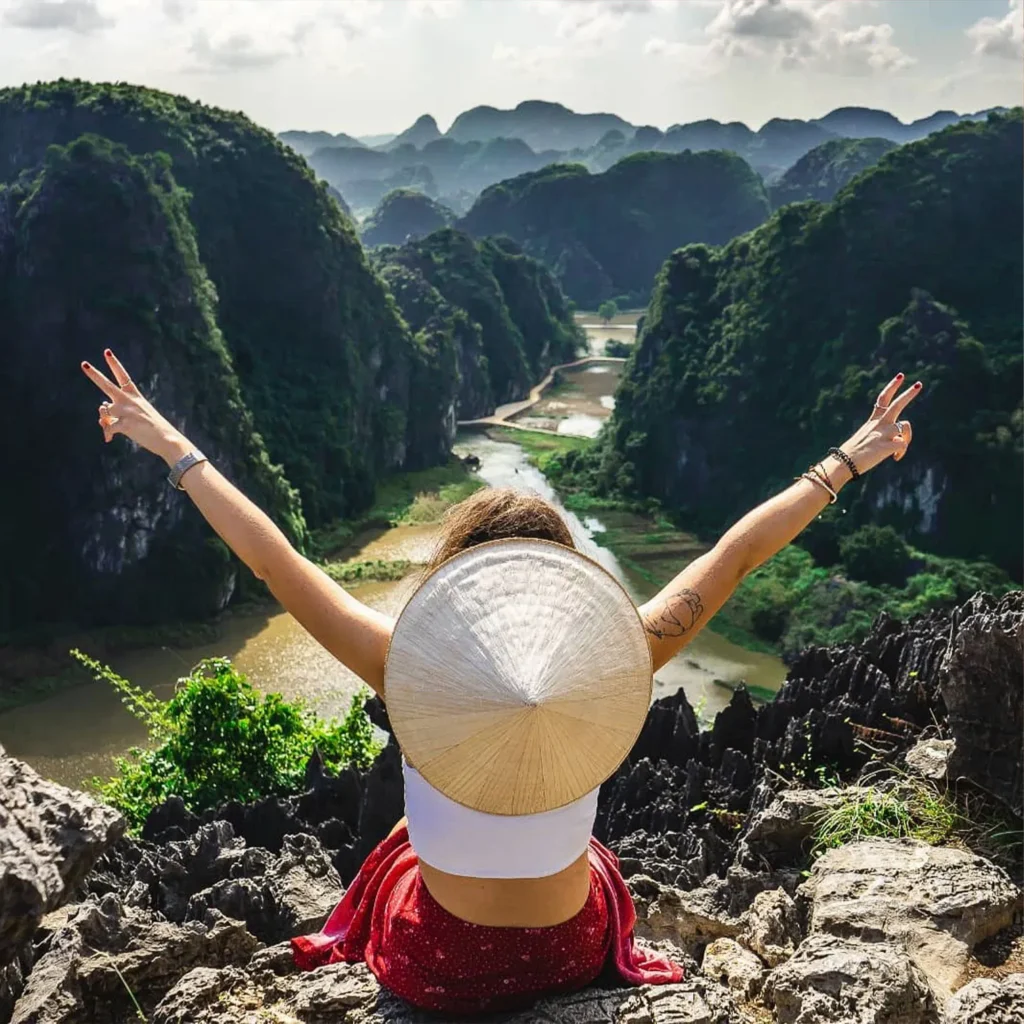
Because of this diversity, there is no single “perfect month” — but there is a perfect time depending on your destination and adventure style. Let’s break it down.
January to March: Clear Skies & Cool Weather — A Top Season for Backpacking Vietnam
January–March offers crisp, dry air in the North, comfortable temperatures in the Central region, and sunny days in the South. It’s one of the most consistent periods for discovering the best time for backpacking in Vietnam.
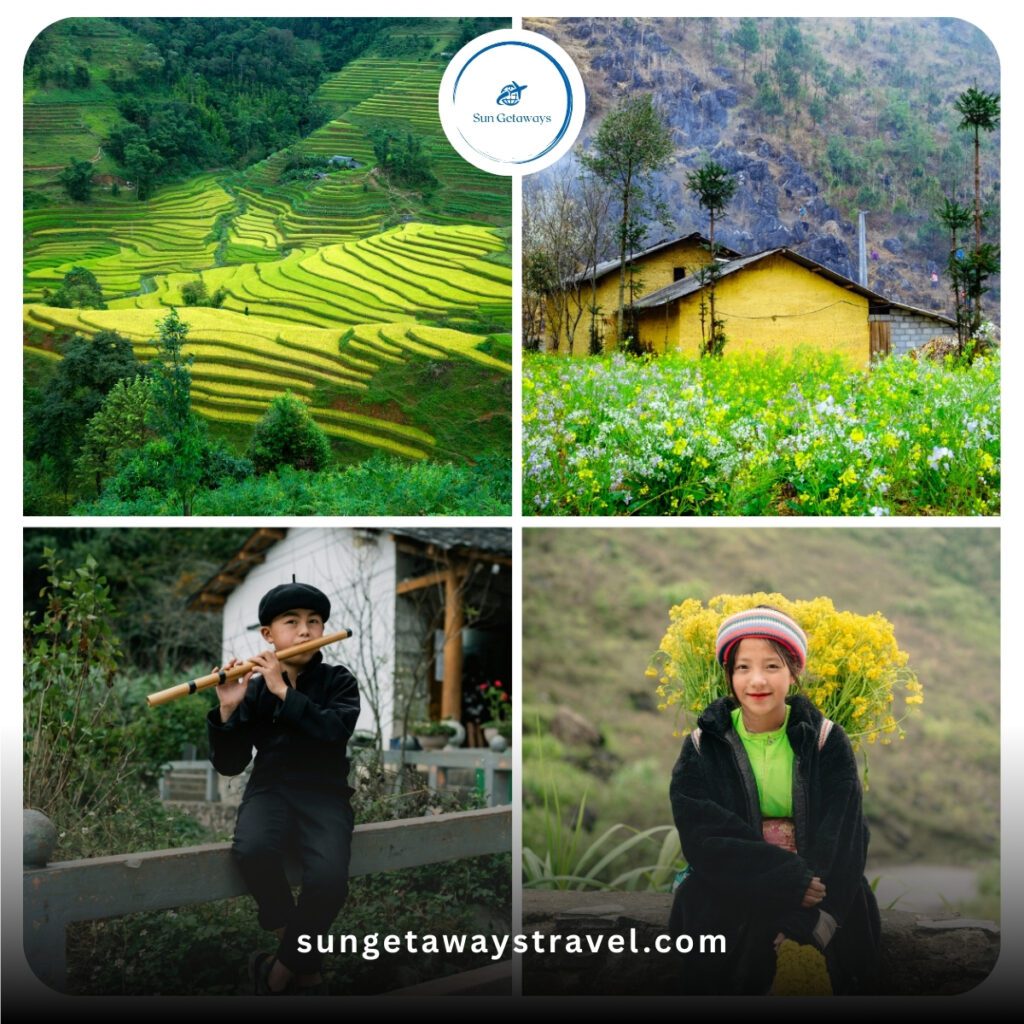
Best Regions to Explore
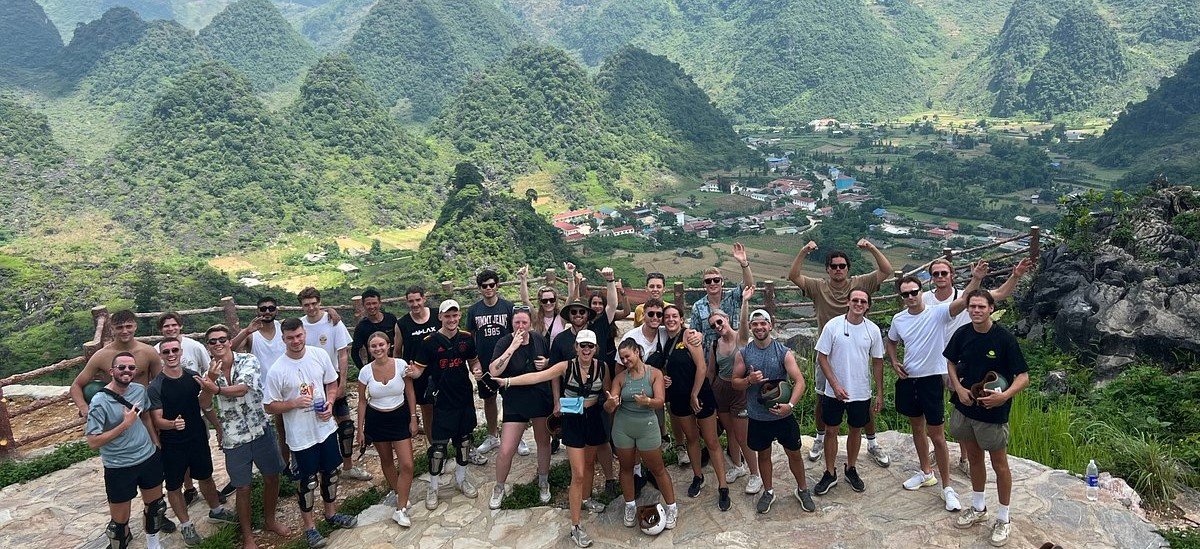
- Ha Giang Loop: Clear mountain passes (check out our Ha Giang Loop guide)
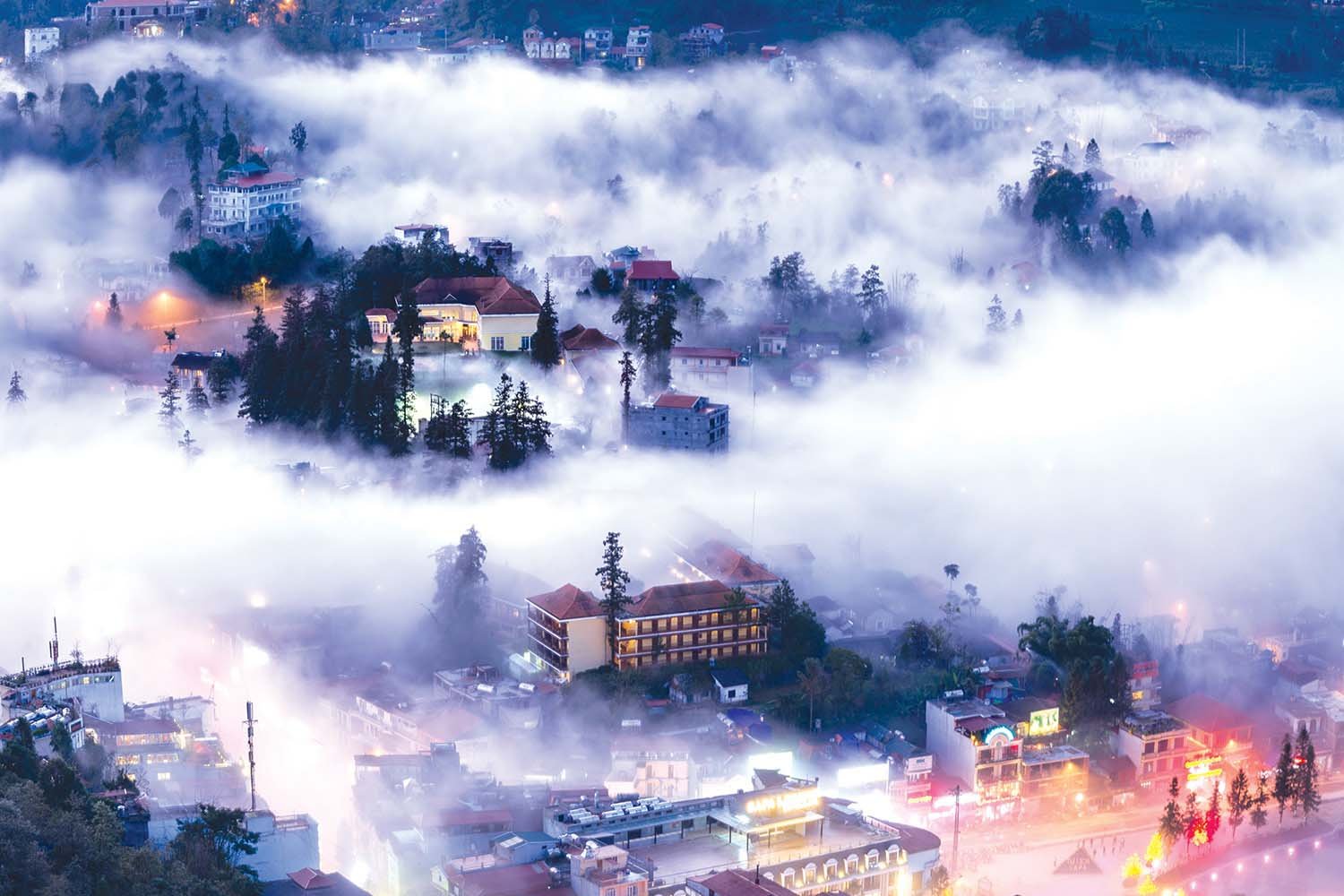
- Sapa: Village trekking in refreshing weather
- Ninh Binh: Peaceful bike rides between cliffs
- Phong Nha: Optimal cave conditions
- Hoi An: Dry streets and mild sunlight
Travel Advantages
- Great visibility for photography
- Low humidity makes long-distance hiking easier
- Perfect for first-time backpackers adapting to Vietnam’s climate
If you’re beginning your journey in the North, Sun Getaways Travel can help secure safe motorbike rentals, trekking permits, and transport — ideal for beginner backpackers.
April to June: Warm Sunshine & Ideal Beach Weather for Backpacking Vietnam
From April onward, temperatures rise gently, and Central Vietnam enters its prime. This makes it one of the best times to visit Vietnam for backpacking if you’re a beach lover.
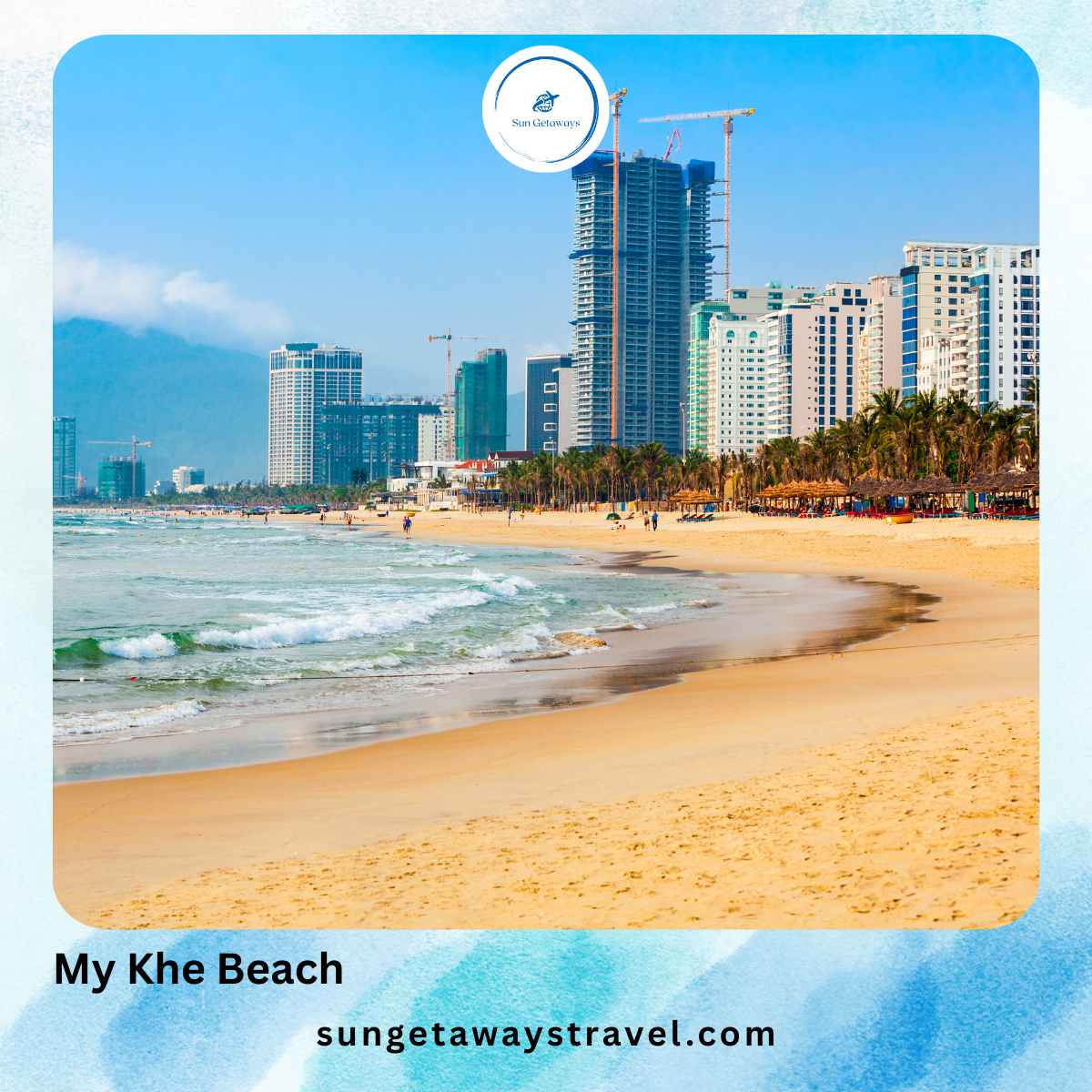
Where to Go
- Da Nang: Long beaches + vibrant hostel scene
- Hoi An: Perfect cycling weather
- Hue: Sunny days for exploring imperial tombs
- Quy Nhon & Nha Trang: Less crowded beaches
Backpacking Highlights
- Calm seas for snorkeling and island hopping
- Affordable hostels during shoulder season
- Early summer atmosphere without the July crowds
July to September: Green Season — Dramatic Landscapes & Misty Mountains
July–September is “green season,” marked by sunshine mixed with short tropical showers. While Central Vietnam sees some storms, the North becomes stunningly beautiful. This period is also covered in our Vietnam Rainy Season guide.
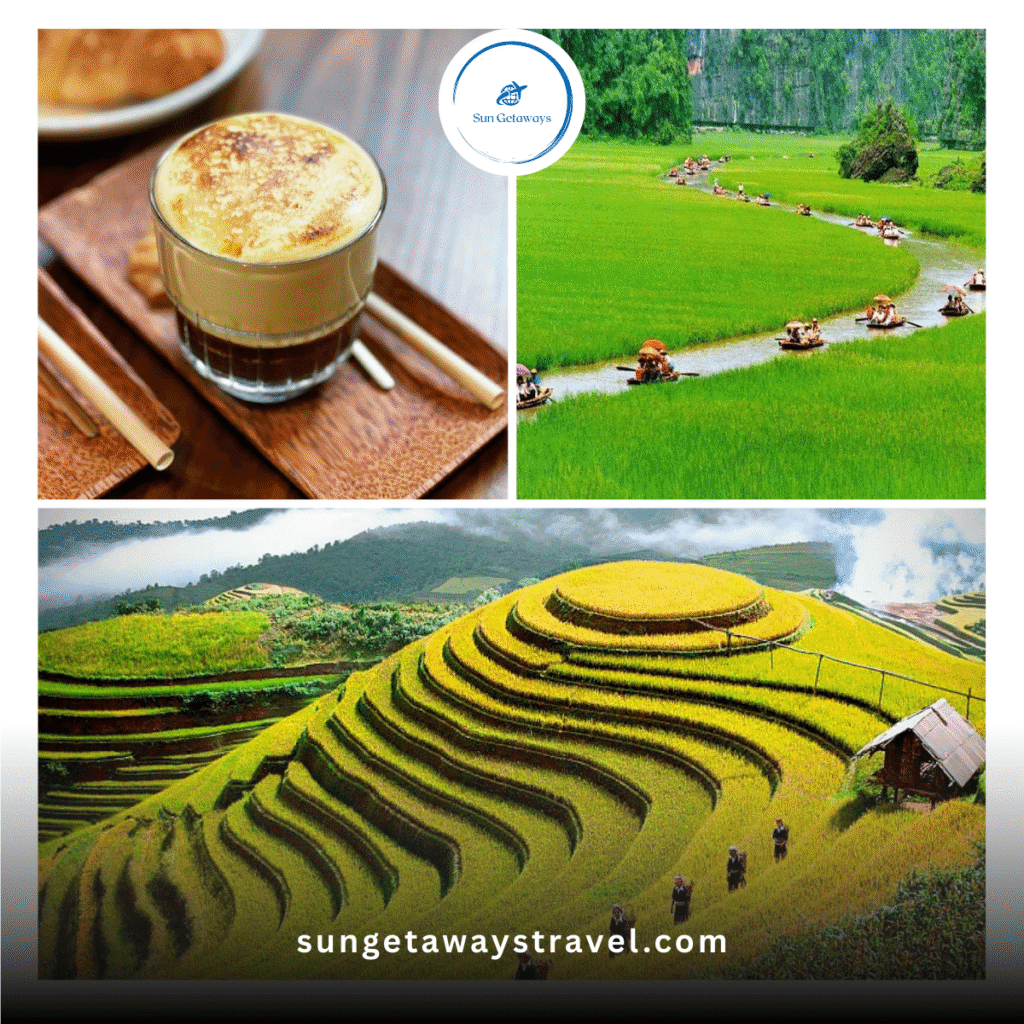
Where Backpackers Should Go
- Ha Giang: Neon-green terraces
- Sapa: Lush landscapes and waterfalls
- Mu Cang Chai: Best rice terrace viewing
- Da Lat: Cool, romantic mountain climate
- Mekong Delta: Lively floating markets
Why This Time Is Special
For photographers and adventurous travelers, this may be the best time for backpacking in Vietnam thanks to its unmatched scenery.
If you’re exploring during green season, we can help adjust your itinerary during sudden weather shifts, ensuring you stay safe on mountain passes or island routes. Contact us now for FREE 24/7 support?
October to December: Peak Season — The Most Reliable Time for Backpacking in Vietnam
October–December is widely recognized as the best time for backpacking in Vietnam by travel experts. Cool breezes return to the North, Central Vietnam dries out after storm season, and the South begins its sunny period. This transition is perfect for Vietnam autumn scenery trekking.
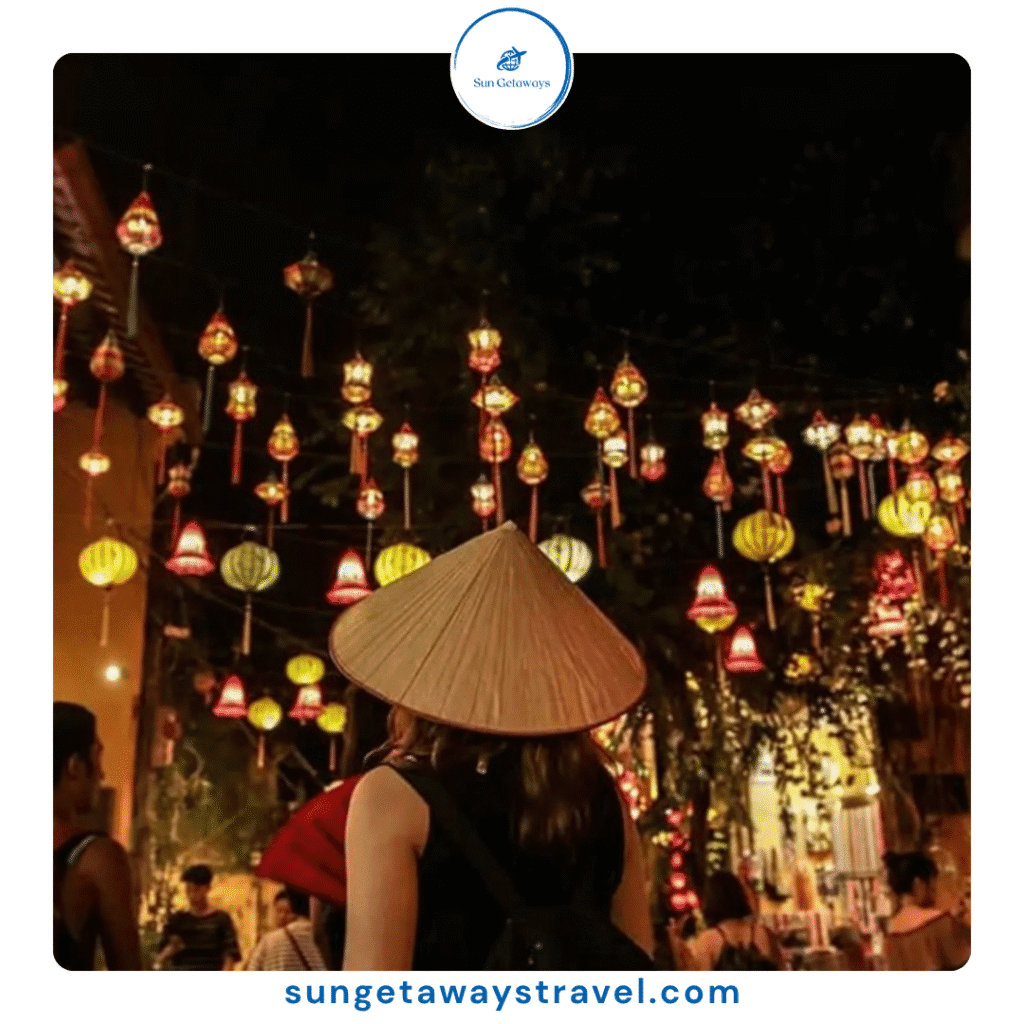
Best Destinations to Visit
- Ha Giang Loop: Buckwheat Flower season
- Ninh Binh: Golden harvest landscapes
- Hoi An: Stable weather returns
- Phu Quoc: Diving + island-hopping season
- Ho Chi Minh City: Ideal city exploration
Expert Insight — Emma (12 Years in Vietnam Tour Operations)
Emma, a senior advisor specializing in backpacking and adventure itineraries, notes:
“In my experience organizing over a thousand Vietnam routes, October to December consistently delivers the best balance: clear skies, ideal trekking temperatures, calm seas, and fully accessible mountain roads. It’s the most reliable season for backpackers.”
Her expertise aligns with long-term weather patterns — making this period a top contender for the best time to visit Vietnam for backpacking.
Best Time for Backpacking in Vietnam: Region-by-Region Breakdown
Choosing the best time for backpacking in Vietnam is tricky because the country spans 1,600 kilometers and three distinct climate zones. Successfully planning your trip means understanding how to navigate these regional variations.
Northern Vietnam — Trekking Paradise (Hanoi, Sapa, Ha Giang, Ha Long Bay)
| Feature | Details | Best Time |
| Top Activities | High-altitude trekking, motorbike loops (Ha Giang), cruising (Ha Long Bay), rice terrace viewing. | October – April |
| Weather Focus | Dry, cool, and often chilly (especially Nov–Feb). Clear skies are ideal for mountain views. | October is perfect for comfortable hiking. December-February brings crisp, cold air. |
| Avoid | June – August (High humidity, heavy rain, and occasional typhoons). | |
| Great for | Adventure travelers seeking cool weather, photographers, and serious trekkers. |
Central Vietnam — Beach Coast & Historic Cities (Hué, Đà Nẵng, Hội An, Phong Nha)
| Feature | Details | Best Time |
| Top Activities | Beaches (Đà Nẵng), lantern festivals (Hội An), historic sites (Huế), world-class caving (Phong Nha). | February – August |
| Weather Focus | Long dry season with high temperatures (May–August). This period is perfect for sunbathing and swimming. | February to April offers pleasant warmth before the peak heat. |
| Avoid | September – November (High risk of severe rain and tropical storms/typhoons, especially around Huế and Đà Nẵng). | |
| Great for | History buffs, beach lovers, and travelers focusing on the ancient imperial routes. |
Southern Vietnam — Islands & River Life (Ho Chi Minh City, Mekong Delta, Phú Quốc)
| Feature | Details | Best Time |
| Top Activities | Island hopping (Phú Quốc, Côn Đảo), vibrant city nightlife, Mekong Delta floating markets, and urban exploration. | December – April |
| Weather Focus | Dry season with consistent sunshine and manageable humidity. The perfect time for island escapes. | January and February are the driest and most comfortable months. |
| Avoid | None, but expect daily afternoon showers from May – October. Rain is usually short-lived but heavy, perfect for midday rest. | |
| Great for | Travelers seeking year-round warmth, nightlife, and tropical experiences. |
Choosing the Best Time to Visit Vietnam for Backpacking by Activity
Your specific interests determine the best time for backpacking in Vietnam. Here’s how to align your trip with your passion:
🏔️ Best Time to Visit Vietnam for Trekking & Mountain Routes
- Best Time: October – April
- Why: Clear skies and cool temperatures provide optimal hiking conditions, reducing mud and heat exhaustion. October and November are ideal for viewing the golden rice harvest in the Northern Highlands.
- Key Destinations: Sapa, Ha Giang (for the famous loop), and Cao Bằng.
🌊 Best Time to Visit Vietnam for Beaches & Coastal Relaxation
- Best Time: February – August
- Why: This period guarantees minimal rain and maximum sunshine across nearly all major coastal regions, from Central (Hội An, Nha Trang) to Southern beaches (Phú Quốc).
- Key Destinations: Đà Nẵng, Mũi Né, Nha Trang, and Phú Quốc.

🎒 Best Time for Budget Backpackers (Lowest Prices)
- Best Time: May – June & September
- Why: These “shoulder months” fall just outside the main tourist seasons, offering significantly more affordable rooms and cheaper tour pricing. The weather is moderate, though humidity can be high.
- Tip: If planning a long trip, start North in May (before the heavy rains) and move South by September (before the Central floods).
🥮 Best Season for Culture, History, & Festivals
- Best Time: January – March & October – December
- Why: This aligns with many traditional festivals, including the most important holiday, Tết (Lunar New Year), usually in late January/early February (note: travel during Tết is complicated but rewarding). Cool evenings are perfect for exploring city life, markets, and night walking.
- Key Events: Tết (Lunar New Year), Huế Festival (biennial, usually April/May), and the Hội An Lantern Festival (monthly on the full moon).
Practical Backpacking Tips for Every Season
Packing Tips for Backpacking Vietnam
- Light clothing + one warm layer
- Waterproof poncho (especially May–October)
- Refillable water bottle
- Sunscreen + hat
- Trekking shoes for mountain routes
Transport Tips
- Book night buses early during peak season
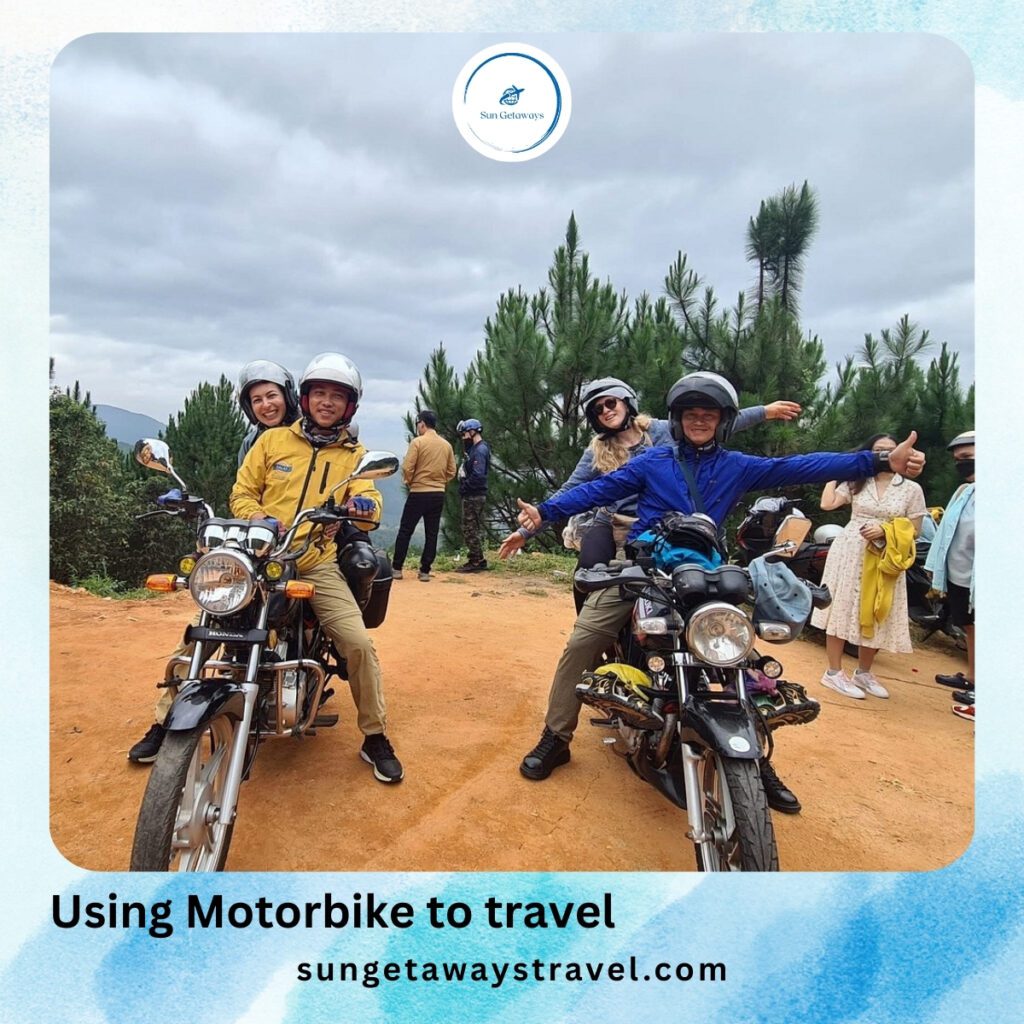
- Motorbiking is safest from October–April
- Train routes are excellent for long distances
Budget Tips for Backpackers
- Hostels: $6–12/night
- Street food: $1.50–4/meal
- Intercity buses: $10–18
- Motorbike rental: $6–8/day
When Sun Getaways Travel Can Support Your Trip
Backpacking Vietnam is rewarding but navigating weather conditions, transport logistics, and trekking safety can be challenging.
Sun Getaways Travel helps with:
- Customized backpacking routes based on your travel month ⭐️
- Season-friendly trekking and cave tours
- Safe motorbike rentals for Ha Giang Loop
- Affordable accommodation recommendations
With local expertise, they ensure you experience Vietnam at the right time — in the right way.
Conclusion: So, What Is the Best Time for Backpacking in Vietnam?
Vietnam is a year-round destination — but timing shapes your journey.
In short:
- October–December → Most reliable weather
- February–April → Great for North & South
- May–August → Best coastal weather
- July–September → Lush landscapes for adventurous travelers
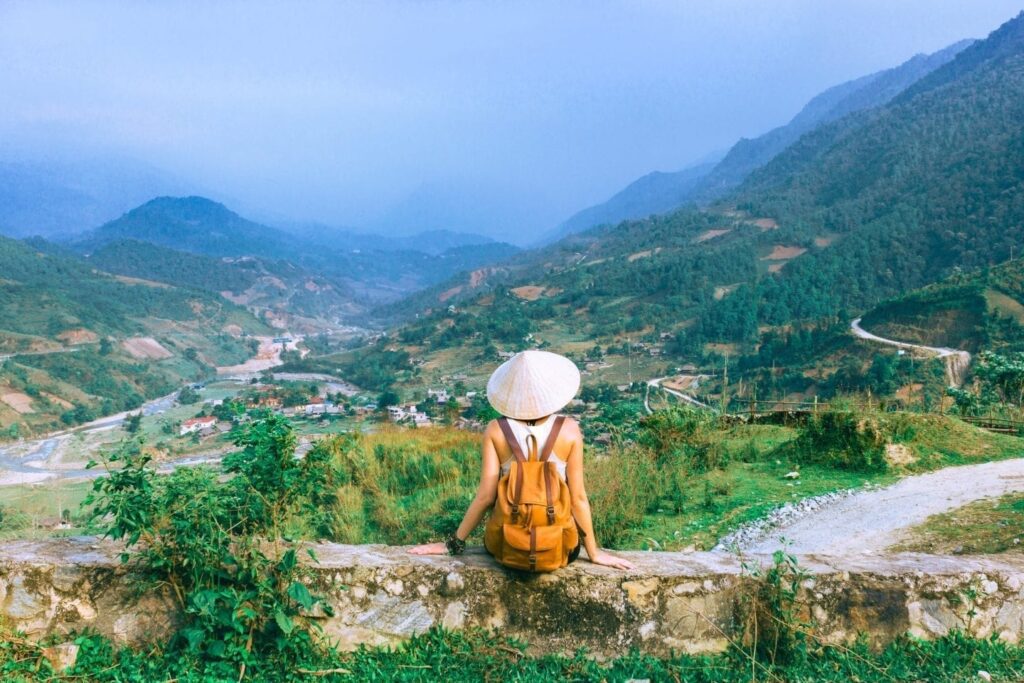
With its diversity, culture, and natural beauty, Vietnam rewards backpackers in every month — as long as you choose the season that fits your travel style.
FAQs About the Best Time for Backpacking in Vietnam
October–December is widely considered the best thanks to cool weather, clear skies, and stable conditions nationwide.
Yes — especially for beaches. July–September is rainy in some regions but offers lush landscapes and lower prices.
May–June and September offer excellent weather with fewer crowds and cheaper accommodation.
Absolutely. January–March and October–December offer cool, dry trekking weather.
Southern Vietnam is the most consistent, especially December–April.


Related Tour


Discover the Secrets of Cu Chi Tunnels on a Half-Day Tour


10 Reviews

Vietnam Trip from Ho Chi Minh to Hanoi 12 Days
20 Reviews
Explore Kong Skull Island in Vietnam: A 14 Day Journey
50 Reviews

Exploring Vietnam: 9 Days of Adventures
10 Reviews
Best Cultural & Heritage Vietnam 12 Days
35 Reviews
Ask a question
Leave a Comment (0)
No questions yet. Be the first to ask a question!
See related Posted
Luxury Golf Resorts in Vietnam – Elite Golf Travelers

Vietnam is increasingly recognized as a premier golf destination in Asia, therefore luxury golf…
Macrame in Vietnam: The Revival of Knot Art in Contemporary Craft Culture

Macrame in Vietnam reflects the country’s growing engagement with contemporary handmade culture, where global…
Vietnamese Musical Instrument Craft: Traditional Instrument Making in Vietnam

Vietnamese musical instrument craft reflects a long-standing relationship between sound, material, and cultural memory.…
Traditional Vietnamese Kite Art: History, Craftsmanship, and Cultural Meaning

Traditional Vietnamese kite art is a living expression of folk creativity, community values, and…
Vietnamese Folk Masks: Tradition, Symbolism & Cultural Meaning

Vietnamese folk masks are a distinctive form of traditional art that reflects the spiritual…
Vietnamese Embroidery Art: Traditional Craftsmanship & Cultural Meaning

Vietnamese embroidery art is a refined traditional craft that reflects patience, cultural memory, and…