



Vietnamese Wellness Lifestyle Secrets You Can Learn on Your Trip
 Dan Vy
  3 min. to read
 Traveling to Vietnam is not just about seeing rice terraces, lantern-lit streets, or sipping cà phê sữa đá by the roadside. If you look closer, Vietnam offers a subtle but powerful invitation: to slow down, reconnect, and live well. The Vietnamese wellness lifestyle is rooted in centuries-old traditions, local knowledge, and daily rhythms that support holistic health. On your trip, you can discover secrets of a holistic lifestyle Vietnam style and bring them home as new habits.
In this article, we explore how to tap into healthy living Vietnam insights and the wellness culture Vietnam offers—and how Sun Getaways Travel can help you weave them into your journey.
1. Embrace Tinh Thần — The Spirit of Mindfulness in the Vietnamese Wellness Lifestyle
One of the foundational pillars of the Vietnamese wellness lifestyle is what locals might call tinh thần: the spirit, the mindset, the inner attitude. This includes being mindful in everyday actions, whether eating, walking, conversing, or simply pausing for a breath.
Mindful eating as a ritual
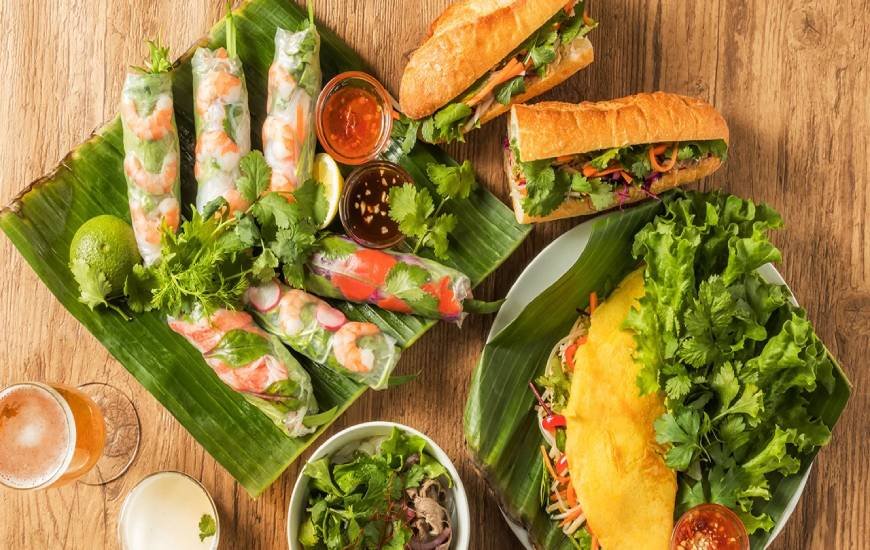
In Vietnam, meals are more than fuel—they are social, sensory, and healthful rituals. Fresh herbs, vibrant vegetables, broths, and balance of flavors are central. The Vietnamese cuisine tradition emphasizes freshness, minimal use of heavy fats, and a harmony of ingredients.
On your trip, try to eat slowly, notice each flavor, chew deliberately, and savor the textures. This is part of the holistic lifestyle Vietnam ethos—treating food as nourishment not just consumption. For a deeper dive, explore our guide on vietnamese dining etiquette.
Walking, pausing, listening
Strolls along riverbanks, temple courtyards, or village lanes in the early morning often become places of quiet awareness. You’ll hear bird song, bamboo rustle, temple bells, and gentle wind. Rather than rushing to see every site, pause, take in the surroundings, and let your senses reset.
A deeper version of this is found in Vietnamese Buddhist and mindfulness traditions, especially practiced in monasteries influenced by the teachings of Thich Nhat Hanh (a Vietnamese Zen teacher). His influence has helped shape a modern Vietnamese mindfulness culture that grounds daily life in awareness, compassion, and interbeing.

Travel tip: Each morning on your trip, try a 10-minute “arrival ritual”—sit quietly, breathe, and set an intention for the day.
This small habit channels the Vietnamese wellness lifestyle into your own schedule.
2. Herbs, Healing Baths & Traditional Therapies: Vietnamese Wellness Lifestyle
Vietnam has rich herbal medicine traditions that go back centuries. Many of these practices still live in daily wellness culture, especially in spas, retreats, and rural areas.
Thuốc Nam & herbal steam baths
In regions like Hoi An or the Mekong Delta, you’ll encounter thuốc Nam (southern herbal medicine) in daily life: simple herbs used for digestion, detox, or circulation. Some wellness retreats integrate these regional herbs into steam rooms, scrubs, or wraps. For example, Namia River Retreat blends southern herbology into its daily wellness treatments. If you’re staying in major cities, you can find top-notch self-care spots, like the best spas in Ho Chi Minh City.
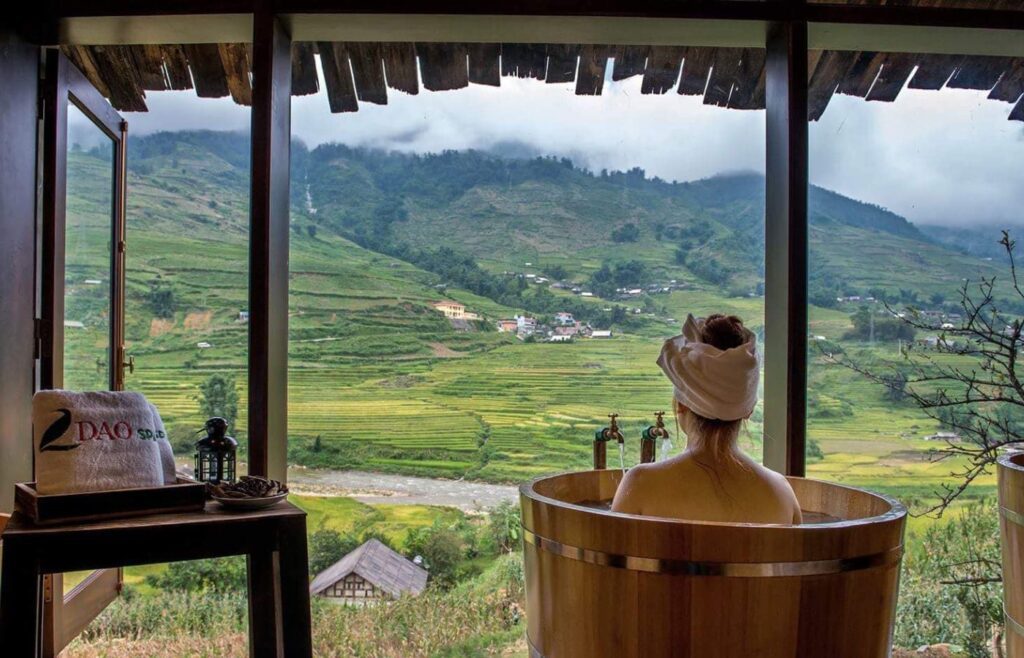
Herbal steam baths (often in hammam or herbal saunas) followed by massage or skin therapies can be deeply rebalancing. The scent, gentle heat, and herbal compounds work together to soothe body and mind—a classic component of the Vietnamese wellness lifestyle.
Traditional Vietnamese massage & bodywork
Vietnamese therapeutic massage techniques often combine influences from Chinese, Khmer, and local folk traditions. They may use herbal compresses, essential oils, bamboo sticks, or acupressure. Many wellness resorts and spa centers offer these, showcasing the deep roots of the Vietnamese wellness lifestyle. For a closer look at the techniques, check out our Vietnamese traditional massage guide.
What makes them uniquely Vietnamese is the integration of local ingredients (lemongrass, ginger, medicated oils) and a gentler, rhythmic approach.
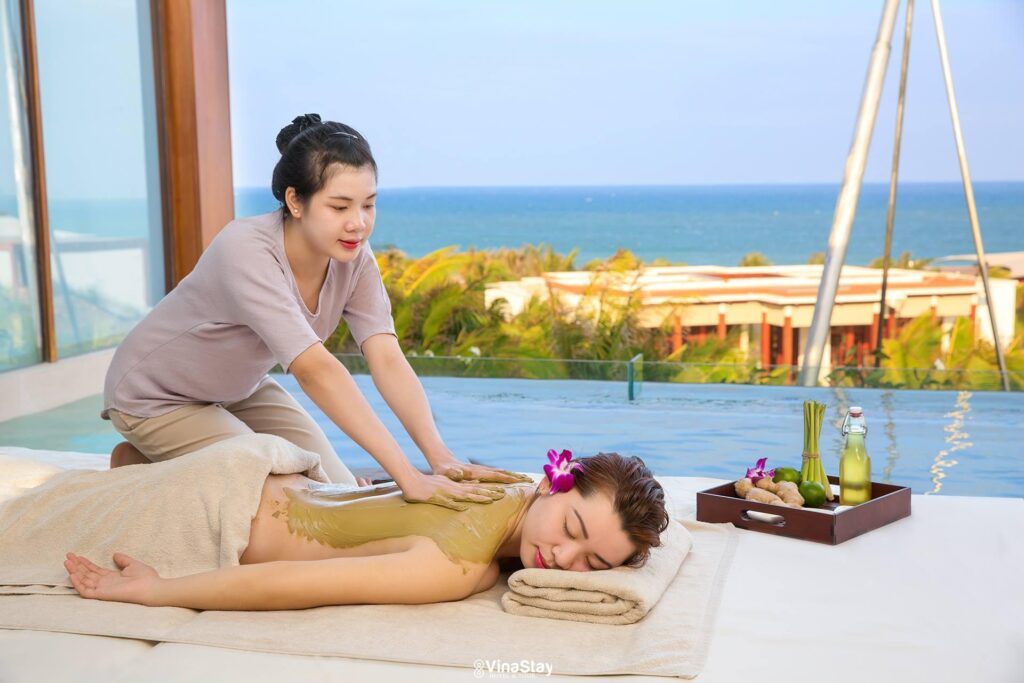
Insider tip: Ask your wellness resort or spa whether they offer a “signature Vietnamese therapy” — this is often where you’ll find the best local wellness culture in action.
3. Nature, Landscape & Movement: Learning from Vietnam’s Topography
Vietnam naturally invites movement and connection to landscape. Mountains, jungles, rivers, mangroves, and rice terraces provide living classrooms for a holistic lifestyle Vietnam.
Gentle movement and embodied flow
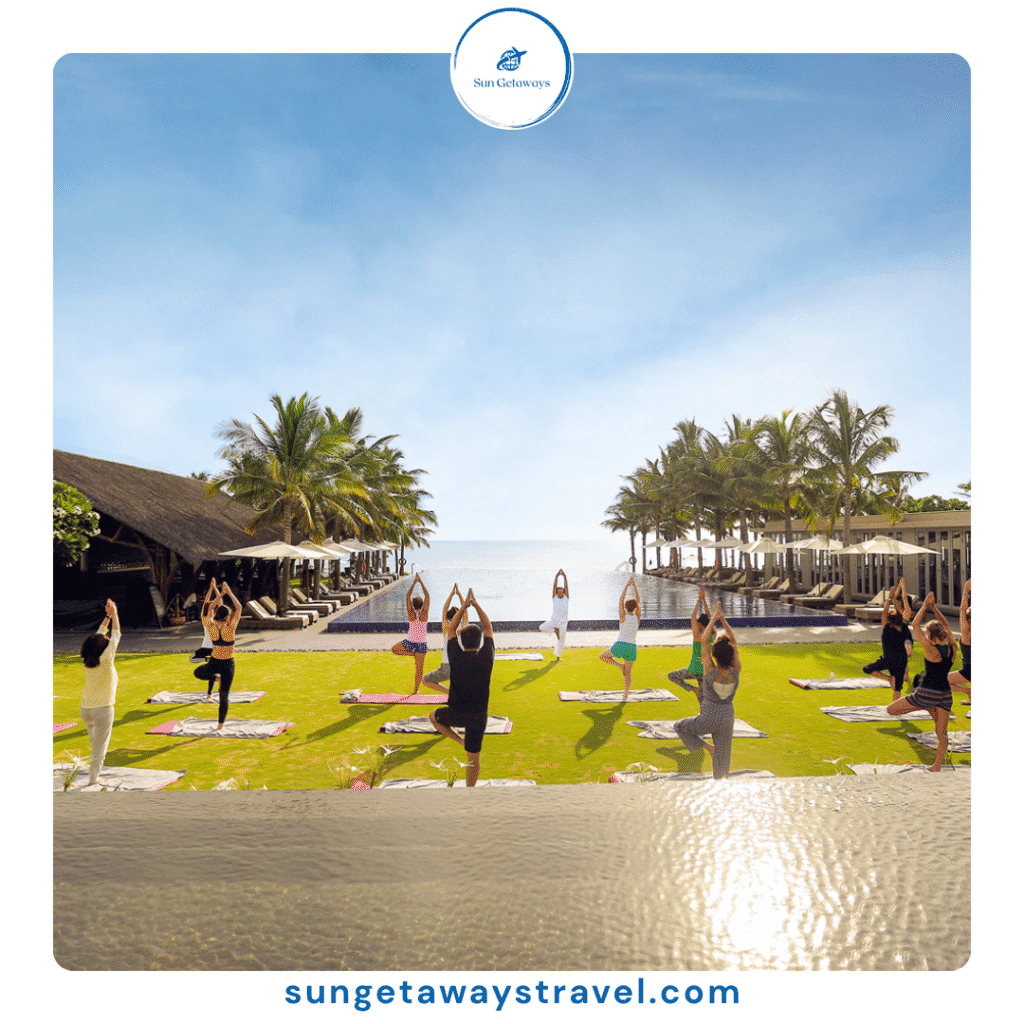
You’ll find yoga or tai chi classes offered at many resorts, beaches, or retreat centers, often during sunrise. This helps you link breath, body, and environment. For example, many wellness resorts in Hoi An or Da Nang include daily yoga, tai chi, or mindful movement sessions. Discover more guide to yoga retreats in Vietnam to find your perfect spot.
Walking circuits, forest bathing, or paddleboarding along rivers can also be considered part of movement practice—low impact but deeply nourishing. For the more adventurous, Vietnam also offers fantastic trekking adventures in its national parks.
Detox and thermal springs
In places like Alba Wellness Valley (Hue) or other wellness resorts, visitors can soak in thermal springs, natural mineral baths, or hot springs. These experiences connect you with the healing qualities of land and water, central to the Vietnamese wellness lifestyle.
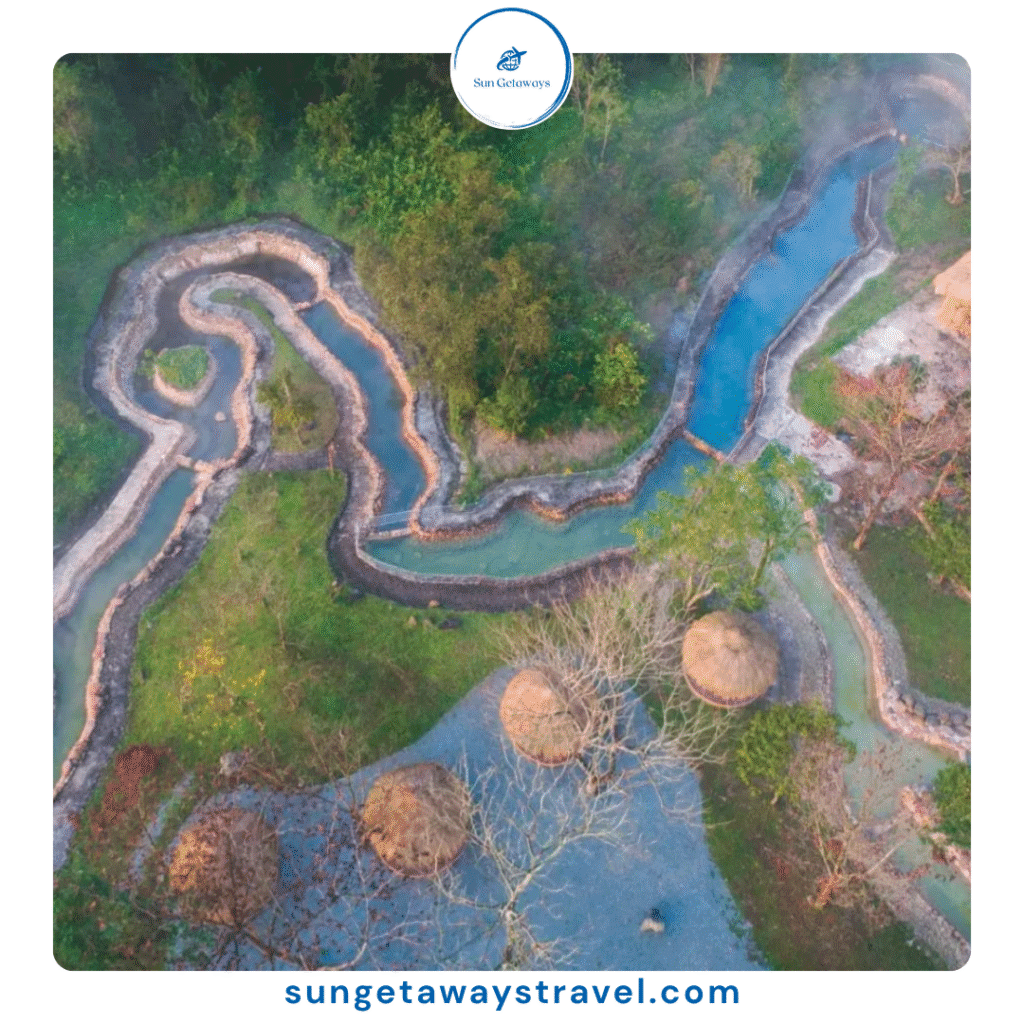
Water is often used as a reset point—immerse, float, let the water carry stress away.
4. Food as Medicine: The Vietnamese Wellness Lifestyle Diet Wisdom
Vietnam’s food culture aligns beautifully with holistic living. Here are some lessons:
Balanced, plant-forward meals
Many Vietnamese dishes are built around vegetables, fresh herbs, rice or rice noodles, lean proteins (fish, tofu, small amounts of meat), and broths. The food is light but flavorful.
Meals are often shared with multiple small plates, which encourages variety and moderation. This approach is fundamental to Vietnamese cuisine.
Functional herbs and tonics
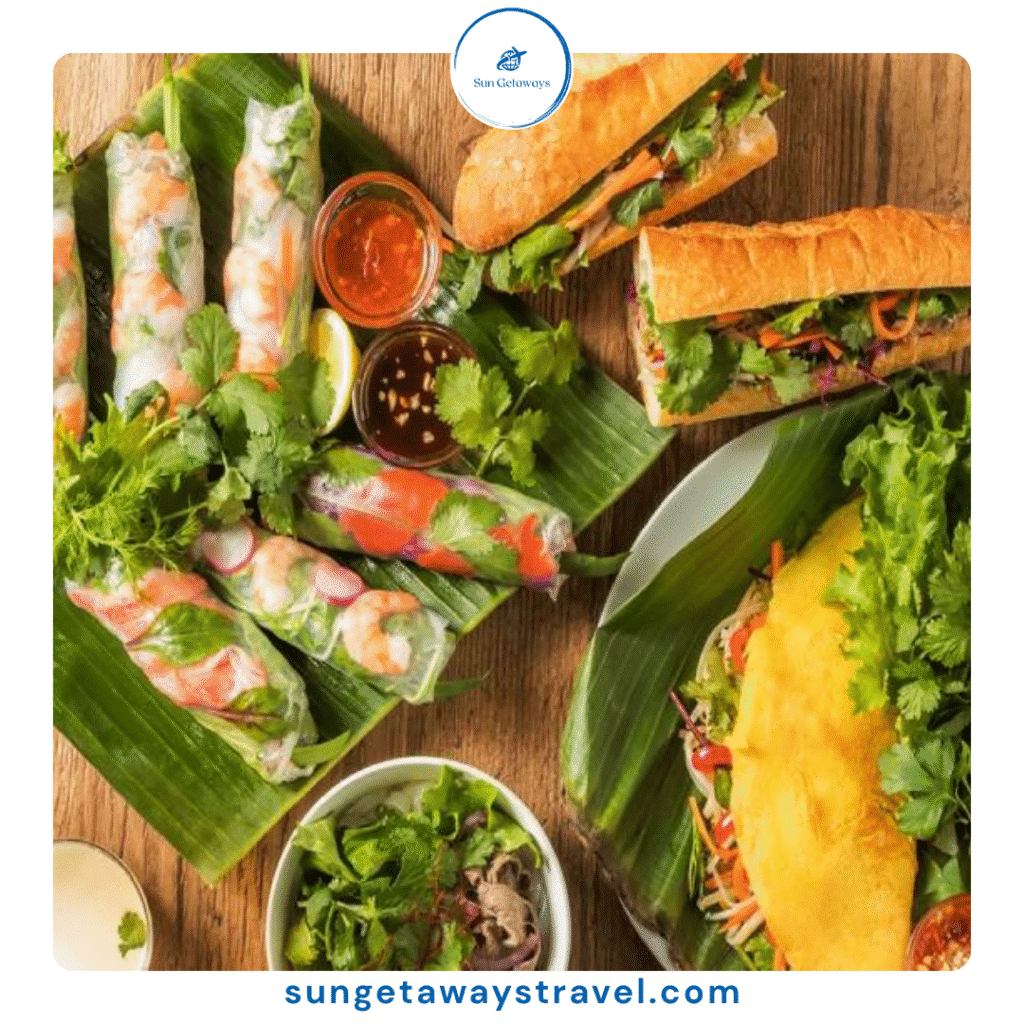
At local markets or wellness restaurants, you might see tonics made from ginger, ginseng, turmeric, tamarind, or goji berries. These are often used to support digestion or immunity.
Seasonal and local sourcing
Vietnamese cuisine emphasizes eating what is in season and what can be sourced locally. This reduces waste and maximizes nutritional value.
Try this: On your trip, ask chefs or hosts about the local herbs in your dishes. Try to bring one home (in dried form) and incorporate it gradually into your meals for ongoing wellness. When out and about, many local spots offer incredible flavors—like the famous Vietnamese coffee!
5. Retreats & Resorts That Live the Vietnamese Wellness Lifestyle (and How You Can Join Them)
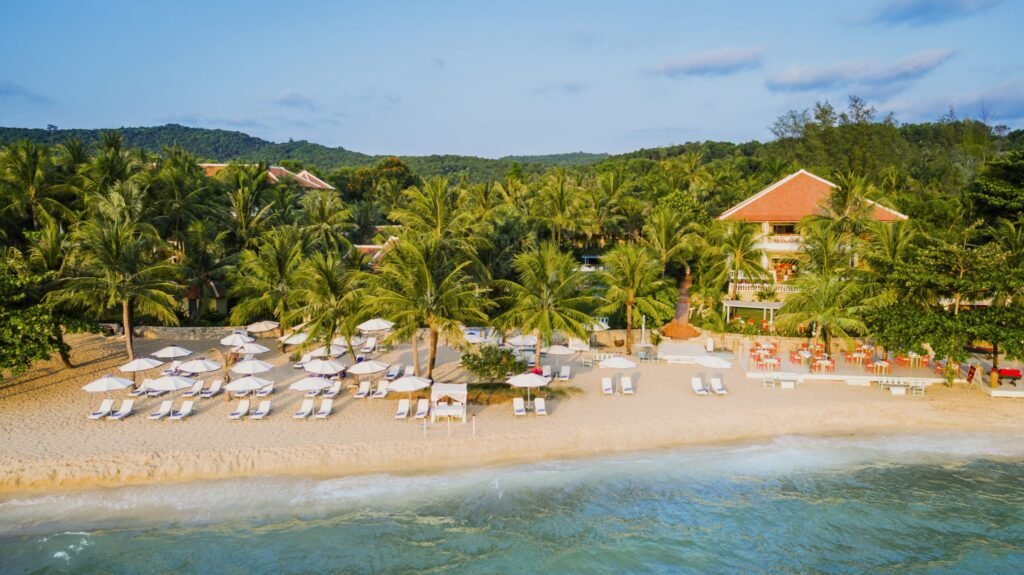
One of the easiest ways to experience a wellness culture Vietnam is by staying at resorts that build holistic healing into every facet of their programming.
Signature wellness resorts & retreats
- TIA Wellness Resort (Da Nang coast) integrates wellness inclusivity into daily life: private pool villas, plant-based menu, wellness treatments, breathwork, and movement sessions
- Alba Wellness Valley (Hue region) offers bamboo bungalows, onsen-styled hot springs, and nature immersion built into the itinerary. This is one of the tranquil retreats in Vietnam you should consider.
- Namia River Retreat (Hoi An) combines southern herbology, daily treatments, and mindful rituals as part of an inclusive stay.
- Four Seasons Hoi An – Personal Transformation Retreat weaves in yoga, health consultation, life coaching, and spa treatments as a deep-dive holistic package.
These resorts offer more than pampering—they model a holistic lifestyle Vietnam ideal in daily structure, food, movement, rest, and mindfulness.
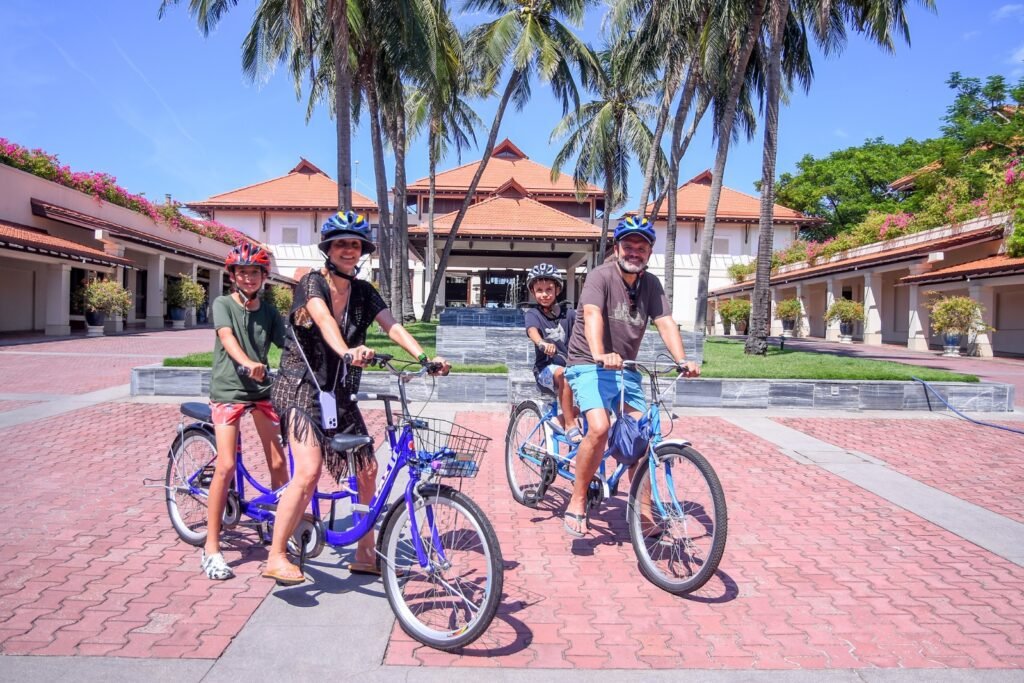
How to choose a retreat that serves you
- Look for all-inclusive wellness stays vs. pay-per-treatment.
- Check whether movement, meditation, and nutrition are integrated—not just as add-ons.
- Seek smaller group or private retreat programs if you want customization.
- See whether local healing traditions (herbs, traditional massage) are part of the offerings.
Soft CTA: Let Sun Getaways Travel craft a wellness-themed Vietnam itinerary for you — combining cultural immersion, retreat stays, and authentic wellness experiences. Reach out to us to tailor your path to balance and vitality.
6. Daily Rituals You Can Steal & Adapt
You don’t need to be on retreat to borrow from Vietnamese wisdom. Here are simple practices you can bring home:
- Morning herbal tea with intention: Try ginger, lemongrass, or mint steeped in hot water. Sip slowly as you set your intention.
- 10-minute seated breathing: Use your breath to anchor in the moment before the busyness begins. If you’re a morning person, look for the best spots for morning yoga in Vietnam at sunrise.
- Mini herbal steam or foot soak: Even a warm foot soak with herbs or essential oil at night carries that Vietnamese body-care ethos.
- Walking mediation: Walk slowly, placing attention on each footfall, noticing surroundings.
- Balanced plate: In your meals, aim to replicate the Vietnamese balance—veggies, lean protein, herbs, perhaps a broth or light soup.
- Nighttime gratitude pause: As the day closes, reflect on three simple gifts or lessons you noticed.
Implementing these rituals helps you live the Vietnamese wellness lifestyle even after your trip ends. For an authentic local experience, try visiting a traditional spa, such as one of the best spas in Hanoi.
7. Why This Works: The Science & Soul of Holistic Living
Why are these elements effective? They align with modern wellness science and ancient wisdom:

- Mindfulness and breath work reduce stress, lower cortisol, and promote resilience.
- Herbal compounds (anti-inflammatory, antioxidant) support body systems.
- Movement in nature enhances mood and reduces anxiety.
- Balanced nutrition stabilizes blood sugar and supports immunity.
- Community and connection (sharing meals, walking together) nourish mental health.
Vietnam’s wellness culture emerges from the synergy of these elements—balanced diet, mindful rhythm, embodied practices, and nature connection.
8. How to Make It Happen on Your Vietnam Trip
Here’s a suggested roadmap to infuse your next Vietnam visit with wellness, rather than treating wellness as a side note.
| Phase | What to Include | Why It Matters |
|---|---|---|
| Arrival & Grounding | 1–2 nights in a slower town (Hoi An, Sa Pa, Mekong Delta) | Let your system reset from travel stress |
| Retreat or Resort Stay | 3–5 nights in a wellness resort or holistic retreat | Experience immersive holistic lifestyle Vietnam |
| Cultural + Local Healing | Visit herbal markets, local spas, wellness villages | Connect with wellness culture Vietnam roots |
| Active & Nature Days | Gentle hikes, boat rides, forest walks, paddling | Movement + landscapes recharge the system |
| Reflection & Integration | Journaling, planning how to bring habits home | Convert experience into sustainable change |
Even a 10- to 14-day trip can include meaningful immersion in Vietnamese wellness practices.
9. Your Journey Beyond – Carrying the Vietnamese Wellness Lifestyle Home
Returning from a trip, the challenge is sustaining these habits. Here are tips:
- Pick one ritual from your trip to bring home (e.g. daily breath pause, herbal tea, or walking meditation).
- Keep a travel journal or photo log of moments you felt rested or alive—revisit them when you need a reset.
- Connect with a local yoga, meditation, or herbal group to keep momentum.
- Use spices or herbs you discovered (like lemongrass, ginger) in your cooking regularly.
- Plan a shorter wellness “staycation” inspired by your trip to reset periodically.
By integrating a few meaningful bits, your trip to Vietnam can ignite longer-term change in your wellness habits.
Final Thoughts – Vietnamese wellness lifestyle
Vietnam’s allure goes beyond landscapes or cuisine. It whispers an invitation to slow down, listen, and heal. The Vietnamese wellness lifestyle blends mindfulness, nature, herbal remedies, movement, and food wisdom. During your journey, you can absorb key lessons in holistic living—and with care, carry them home.
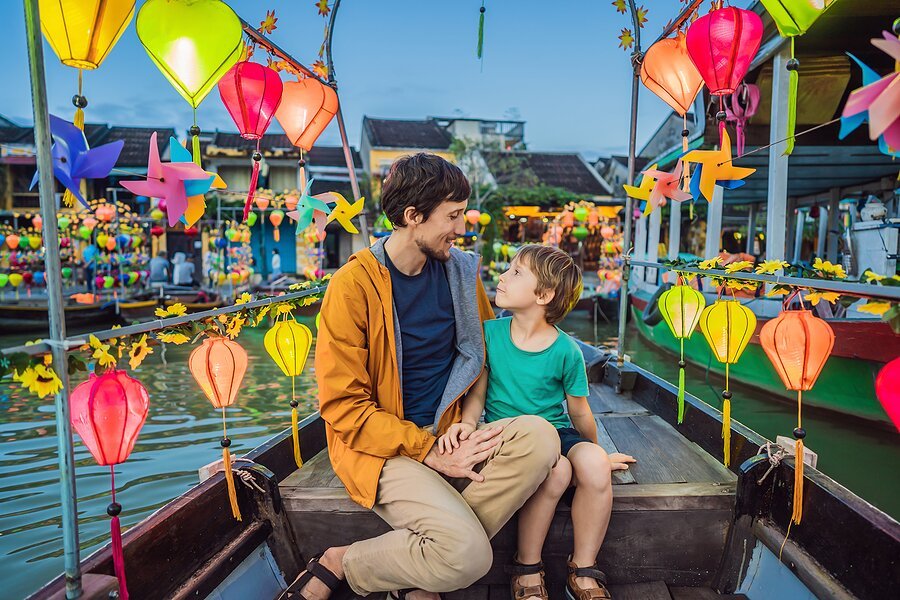
If you’d like help weaving these wellness elements into your Vietnam itinerary, Sun Getaways Travel (WhatsApp) is ready to curate a journey that nurtures mind, body, and spirit. Contact us today to build your balanced travel experience.


Related Tour

4 Days Hanoi Halong Ninh Binh Muslim Tour


21 Reviews

Travel eSIM: 3GB/Day – 7 Days
25 Reviews
Explore the Ho Chi Minh City Floating Market in 6 Days
8 Reviews

10 Day Beach Relaxing Vietnam trip
10 Reviews
Visit Handicraft Villages in Hanoi
0 Reviews
12 Days Vietnam Local Food Tour
15 Reviews
Ask a question
Leave a Comment (0)
No questions yet. Be the first to ask a question!
See related Posted
Luxury Golf Resorts in Vietnam – Elite Golf Travelers

Vietnam is increasingly recognized as a premier golf destination in Asia, therefore luxury golf…
Macrame in Vietnam: The Revival of Knot Art in Contemporary Craft Culture

Macrame in Vietnam reflects the country’s growing engagement with contemporary handmade culture, where global…
Vietnamese Musical Instrument Craft: Traditional Instrument Making in Vietnam

Vietnamese musical instrument craft reflects a long-standing relationship between sound, material, and cultural memory.…
Traditional Vietnamese Kite Art: History, Craftsmanship, and Cultural Meaning

Traditional Vietnamese kite art is a living expression of folk creativity, community values, and…
Vietnamese Folk Masks: Tradition, Symbolism & Cultural Meaning

Vietnamese folk masks are a distinctive form of traditional art that reflects the spiritual…
Vietnamese Embroidery Art: Traditional Craftsmanship & Cultural Meaning

Vietnamese embroidery art is a refined traditional craft that reflects patience, cultural memory, and…