








Vietnamese Bun dau mam tom: How to Eat, Order, and Enjoy Like a Local
 HoangAn
  3 min. to read
 Have you ever heard about Vietnamese Bun dau mam tom but feel unsure if the flavor is too intense for you? Many travelers love discovering local food but feel nervous about vermicelli with fried tofu and shrimp paste during their first trip. In this guide, you will find clear, friendly, and practical insights to help you enjoy this iconic dish like a local, with less hesitation and more confidence.
Key Takeaways
- Vietnamese Bun dau mam tom is a must-try dish that combines bold flavors like fermented shrimp paste with fresh herbs and crispy tofu.
- Travelers can enjoy this dish confidently by following step-by-step eating guides and adjusting flavors to their preferences.
- Fresh ingredients play a crucial role; look for clean shops with good ingredient turnover for a safe dining experience.
- Expect affordable prices for Bun dau mam tom, usually ranging from 50,000 to 150,000 VND depending on the location and toppings.
- Taste-wise, it offers a unique blend of salty and umami flavors that many find surprising and addictive.
1. What Makes Vietnamese Bun dau mam tom a Must-Try Dish?
This part gives you a simple and clear overview of why this dish attracts both curious travelers and loyal locals. You will learn what makes its flavor special, why it stands out among Vietnamese noodle dishes, and how it reflects the soul of Hanoi street food culture.
1.1 A Unique Hanoi Street Food Experience
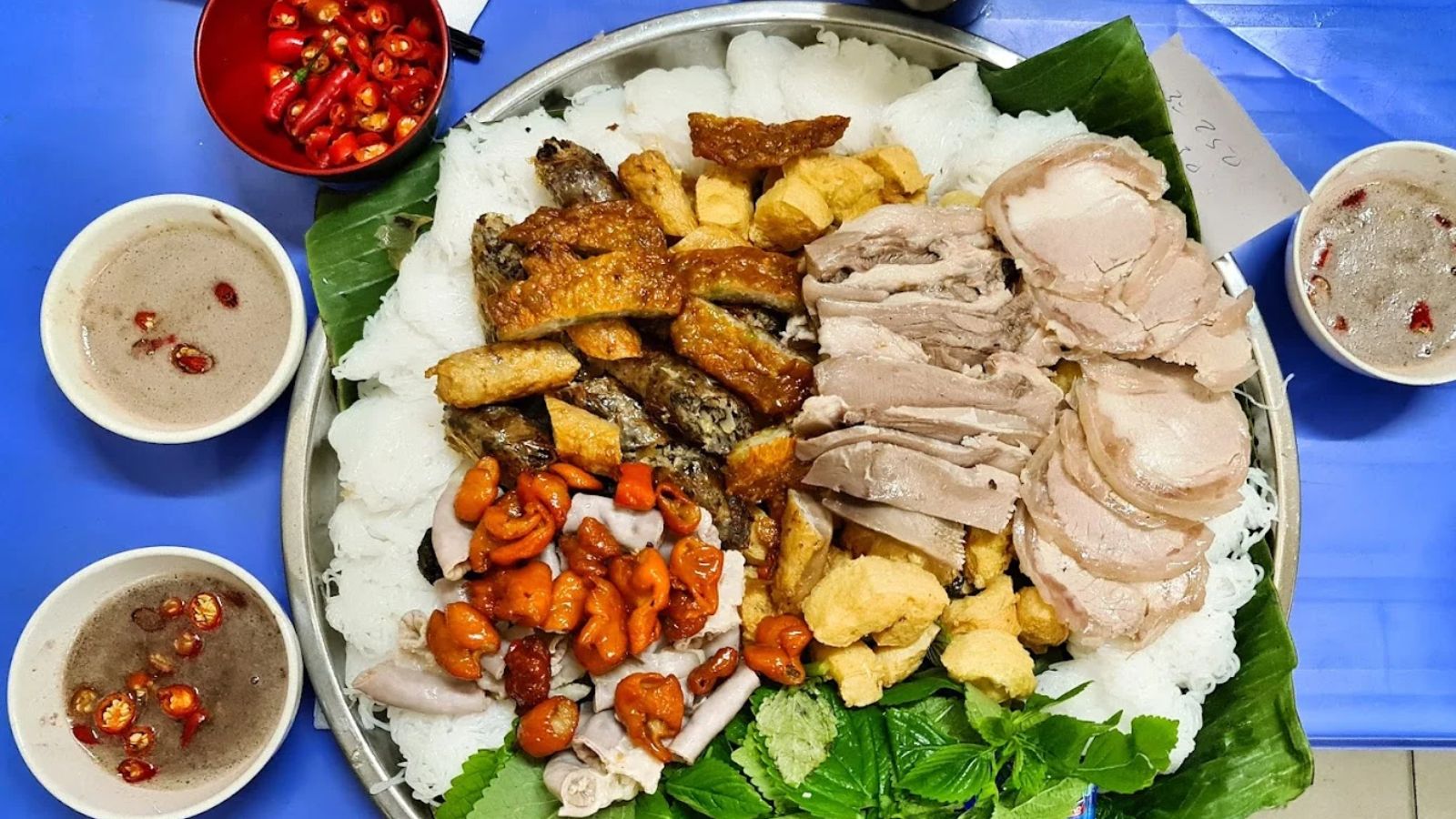
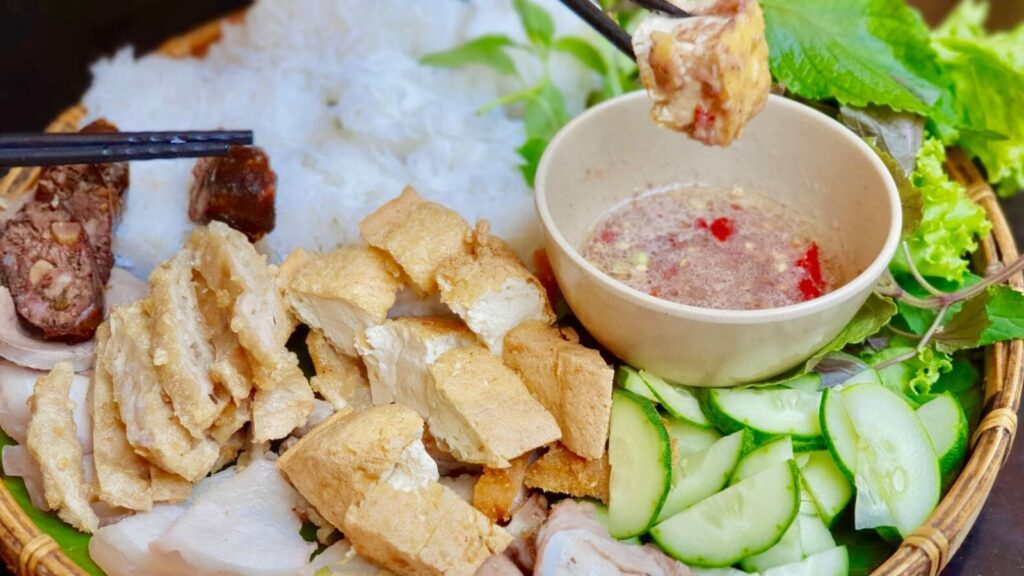
Vietnamese Bun dau mam tom brings a bold flavor combination that you can hardly find in other dishes. It blends fresh herbs, crispy tofu, boiled pork slices, and vermicelli with a powerful fermented shrimp paste. Each bite offers a mix of textures that surprises many travelers in a fun, memorable way.
1.2 A Dish That Represents True Local Life
This dish reflects daily life in Hanoi. It is simple, affordable, and full of character. You often see people gather at small sidewalk shops, chatting while enjoying vermicelli with fried tofu and shrimp paste on shared trays. This creates a warm atmosphere that many travelers love to experience during their trip.
2. Ingredients in Vietnamese Bun dau mam tom
This section helps travelers understand each component on the tray, especially if they want to choose items based on taste or dietary preferences. It also helps first-timers avoid confusion when ordering.
2.1 Key Ingredients Explained
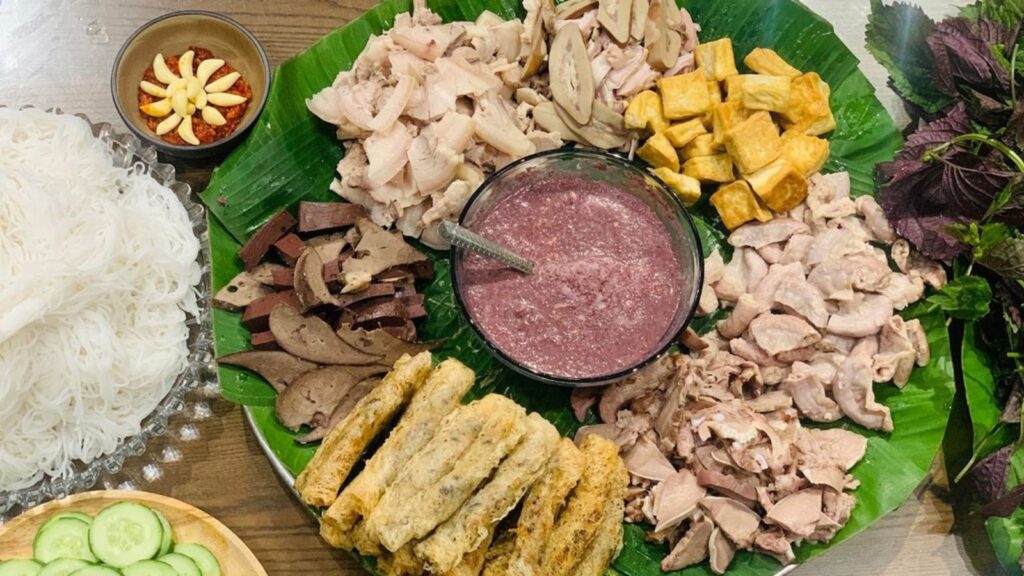
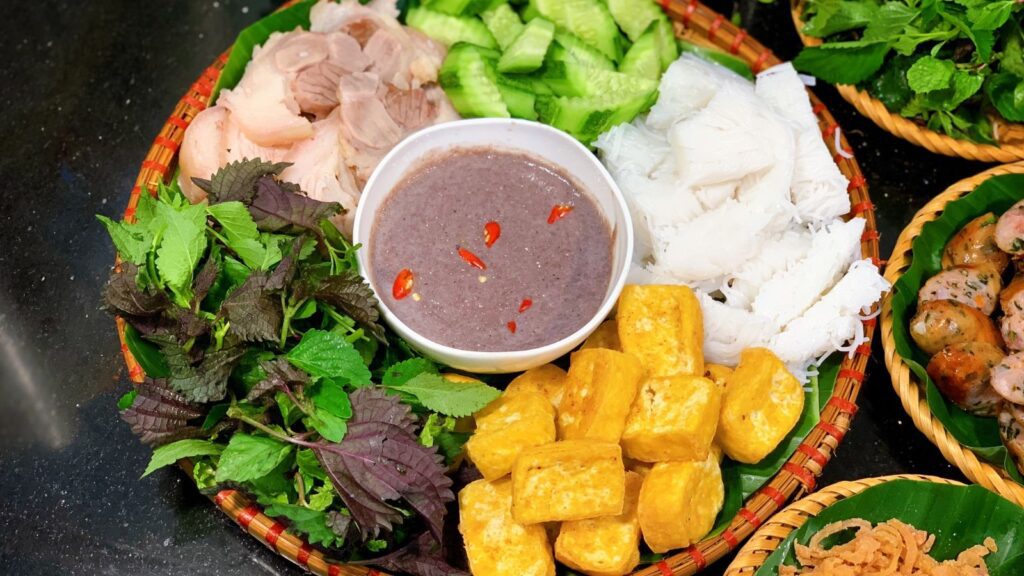
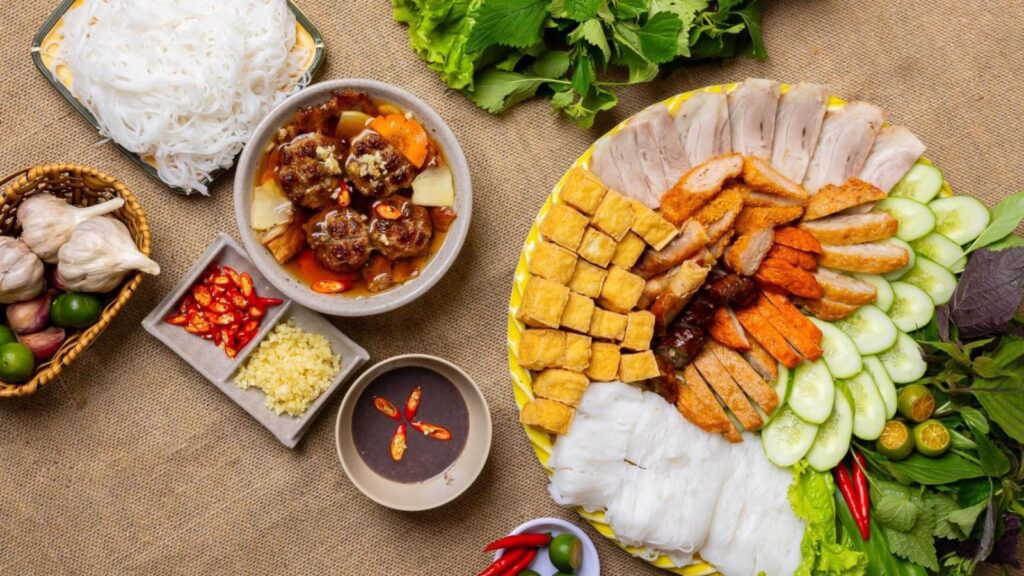
Each tray of Vietnamese Bun dau mam tom usually includes:
- Bun (vermicelli): Soft and slightly chewy rice noodles cut into square blocks. These are different from many Vietnamese dry noodles because they are compact and easy to dip.
- Fried tofu: Crispy outside and creamy inside, creating a pleasant contrast with the dipping sauce.
- Boiled pork: Thin slices of pork belly that add a mild and tender flavor to balance the strong paste.
- Cha com (young rice pork roll): A Hanoi specialty with a fragrant aroma.
- Herbs: Perilla leaves, mint, cucumber, and lettuce for freshness.
- Mam tom (shrimp paste): The signature dipping sauce that makes the dish unforgettable.
These ingredients come together to form a balanced and exciting experience for travelers exploring local cuisine.
2.2 How to Identify Fresh Ingredients
Fresh herbs should smell bright and clean. Fried tofu should look golden and dry, not greasy. Pork slices should be firm and light pink. If you join a local food tour, you will see how guides help travelers recognize high-quality ingredients.
3. How to Eat Vietnamese Bun dau mam tom Like a Local
This section provides the step-by-step guidance that many travelers want to know. It avoids confusion and helps visitors enjoy the dish more comfortably.
3.1 Step-by-Step Eating Guide
Here is how locals enjoy Vietnamese Bun dau mam tom:
- Mix your dipping sauce: Add lime, sugar, chili, and hot oil into the shrimp paste.
- Taste the sauce first: It helps you understand how strong or mild it is.
- Dip each ingredient lightly: Start with tofu, then pork, then herbs.
- Combine textures: Many locals wrap noodles, tofu, and herbs in one bite.
These steps make the dish more balanced and easier to enjoy even if it is your first time trying vermicelli with fried tofu and shrimp paste.
3.2 Adjusting the Flavor for First-Time Travelers
If the shrimp paste feels too strong, you can:
- Add more lime or sugar to soften the smell.
- Request fish sauce (nuoc mam) instead, available at most shops.
- Mix the paste with more hot oil for a gentler flavor.
This flexibility makes the dish more friendly to international travelers.

4. Is Vietnamese Bun dau mam tom Safe for Travelers?
Many tourists worry about food handling or strong fermented flavors. This part answers those concerns clearly and directly.
4.1 Safety Tips for International Visitors
Vietnamese Bun dau mam tom is safe to try as long as you choose clean, reputable shops. Busy shops usually have high turnover, which means fresh ingredients. Avoid shops where tofu looks too oily or herbs are wilted. And always check if the shop prepares sauces on request rather than leaving them exposed.
4.2 Expert Advice from Sun Getaways Travel
“Try this dish at shops that prepare ingredients fresh each morning and keep the shrimp paste covered until serving. Clean handling makes the experience not only delicious but also safe for first-time travelers.”
– Mrs. Emma Nguyen – Tour Operator Manager with over 12 years of experience at Sun Getaways Travel
5. Where to Try the Best Vietnamese Bun dau mam tom
Below is a helpful guide to popular and traveler-friendly places. Each option offers a safe, clean environment and clear menus.
5.1 Hanoi: The Homeland of the Dish
Hanoi offers the most authentic Vietnamese Bun dau mam tom. Old Quarter areas such as Hang Khay and Phan Huy Ich have famous shops known for well-balanced shrimp paste and crispy tofu. These areas are easy to explore, and you can combine your visit with a Hanoi walking tour for a full street-food experience.
5.2 Ho Chi Minh City: A Southern Twist
In Ho Chi Minh City, you will find a more modern version of vermicelli with fried tofu and shrimp paste. Shops often prepare larger trays with extra toppings like fried spring rolls. This modern style attracts travelers who like variety and milder flavors.
If you feel unsure about where to try Vietnamese Bun dau mam tom, contact Sun Getaways Travel. We can guide you to trusted local shops, especially if you want to join a safe and delicious food experience.
6. Cost of Vietnamese Bun dau mam tom for Travelers
This part answers one of the biggest concerns for tourists – budget planning. Most travelers find this dish affordable and easy to fit into their daily travel meals.
6.1 What You Should Expect to Pay
- Standard tray: 50,000 – 70,000 VND
- Large tray with extra toppings: 80,000 – 120,000 VND
- Premium shops in tourist zones: 120,000 – 150,000 VND
A full meal usually costs less than many Western dishes, which makes it ideal for travelers who want to explore more Vietnamese dry noodles and street foods without overspending.
6.2 Why the Price Can Vary
Prices differ based on location, ingredient quality, and topping variety. Shops in tourist districts tend to be higher. Meanwhile, local neighborhoods offer lower prices with the same satisfying experience.
7. Flavor Profile of Vietnamese Bun dau mam tom
This part helps travelers decide if this dish matches their taste preferences. The goal is to give a clear, friendly description without overwhelming details.
7.1 What the Dish Tastes Like
Vietnamese Bun dau mam tom has a bold, salty, slightly sweet taste with a deep umami flavor. The herbs add freshness, while the noodles create a soft base for the strong dipping sauce. Many travelers describe the first bite as surprising and the second bite as addictive.
7.2 Why the Shrimp Paste Matters
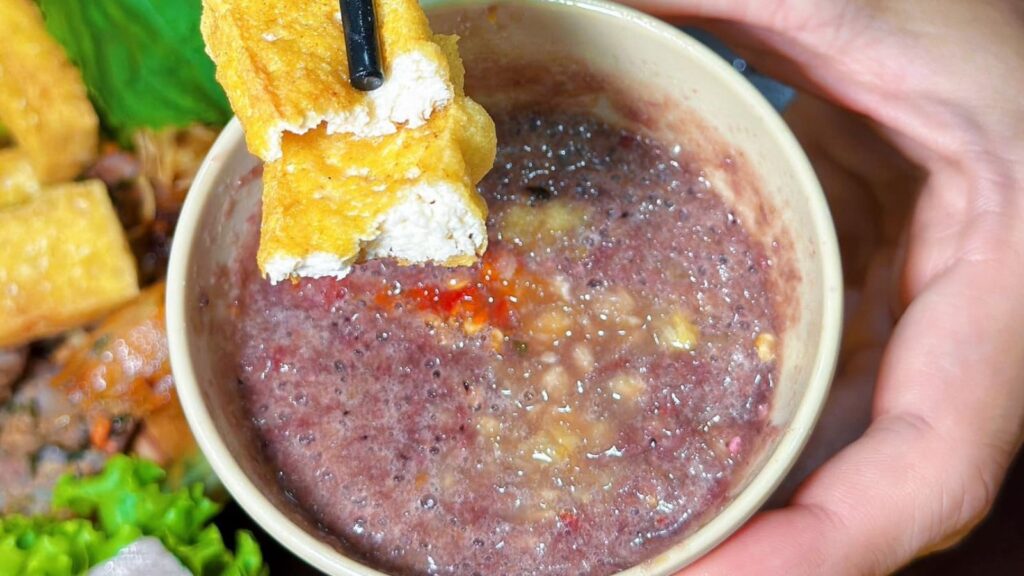
The shrimp paste offers a fermented aroma and a savory depth that sets this dish apart from other Vietnamese noodle dishes. When mixed correctly, it becomes creamy, aromatic, and well-balanced – not overpowering.
8. Comparison Table for Travelers
The table below helps travelers compare this dish with two other popular street foods. This makes it easier for travelers to choose meals during their Vietnam trip.
| Feature | Bun dau mam tom | Bun thit nuong | Bun cha |
|---|---|---|---|
| Flavor strength | Strong, fermented | Sweet, smoky | Balanced, grilled |
| Best for | Adventurous eaters | First-time travelers | Grilled pork lovers |
| Price range | Low to medium | Low to medium | Medium |
| Sauce type | Shrimp paste | Fish sauce | Dipping broth |
| Suitable for kids | Not recommended | Yes | Yes |
9. FAQs about Vietnamese Bun dau mam tom
Late morning to early afternoon is ideal because shops prepare everything fresh and close early.
Yes, but eat it within 30-45 minutes because the shrimp paste changes flavor quickly in hot weather.
Hanoi paste is stronger and saltier, while Saigon paste is milder and easier for beginners.
Yes, if you ask for fish sauce instead and avoid mixing it with other fermented foods.
Lime juice or iced kumquat tea helps balance the richness and cleanse the palate.
10. Conclusion
Vietnamese Bun dau mam tom is more than a strong-smelling dish. It is a part of Vietnam’s everyday culture and a memorable experience for any traveler. With the right tips, clean shops, and a bit of curiosity, you can enjoy this dish with confidence and discover another side of Vietnam’s vibrant street-food identity.
Ready to explore Vietnam’s boldest flavors and hidden food streets? Contact Sun Getaways Travel today and let us create a food-focused itinerary tailored to your taste. Your next Vietnam adventure will be unforgettable with authentic dishes, local insights, and expert guidance from our team.


Related Tour


Hoi An Discovery Tour: Unveiling the Charms in 5 Days


25 Reviews

3 Days Tour Muslim Hanoi and Halong Bay
21 Reviews

Discover the Essence of Vietnam: A 12-Day Journey
46 Reviews

4 Days Halal Muslim Hanoi and Sapa
0 Reviews

Experience the Magic of Vietnam in 16 Days
0 Reviews
Ask a question
Leave a Comment (0)
No questions yet. Be the first to ask a question!
See related Posted
Luxury Golf Resorts in Vietnam – Elite Golf Travelers

Vietnam is increasingly recognized as a premier golf destination in Asia, therefore luxury golf…
Macrame in Vietnam: The Revival of Knot Art in Contemporary Craft Culture

Macrame in Vietnam reflects the country’s growing engagement with contemporary handmade culture, where global…
Vietnamese Musical Instrument Craft: Traditional Instrument Making in Vietnam

Vietnamese musical instrument craft reflects a long-standing relationship between sound, material, and cultural memory.…
Traditional Vietnamese Kite Art: History, Craftsmanship, and Cultural Meaning

Traditional Vietnamese kite art is a living expression of folk creativity, community values, and…
Vietnamese Folk Masks: Tradition, Symbolism & Cultural Meaning

Vietnamese folk masks are a distinctive form of traditional art that reflects the spiritual…
Vietnamese Embroidery Art: Traditional Craftsmanship & Cultural Meaning

Vietnamese embroidery art is a refined traditional craft that reflects patience, cultural memory, and…