






Planning Your Trip: The Best Vietnam Backpacking Route for 2026
 Dan Vy
  3 min. to read
 Planning a Vietnam trip for 2026 is exciting because the country is opening more routes, improving transport, and offering newer experiences for backpackers. With its mix of modern cities, ancient towns, mountains, islands, and food markets, Vietnam is one of the most rewarding countries to explore for first-timers. This guide outlines the best Vietnam backpacking route, how to use a Vietnam backpacking map, budget tips, and what to expect in each region.
Key Takeaways
- Planning a Vietnam trip for 2026 offers exciting routes and experiences for backpackers.
- The suggested Vietnam backpacking route follows a logical north-to-south journey, starting in Hanoi and ending in Ho Chi Minh City.
- Key highlights include Hanoi’s culture, Sapa’s trekking, and the beauty of Ha Long Bay.
- Travelers can enjoy affordable stays, street food, and stunning landscapes, making Vietnam ideal for budget-friendly adventures.
- Having a Vietnam backpacking map helps navigate and optimize your trip for an unforgettable experience.
Why Vietnam Is Perfect for Backpackers in 2026
Vietnam is consistently ranked among Asia’s best destinations for long-term, low-budget travel. In recent years, infrastructure has improved dramatically—sleeper buses, metro lines, coastal roads, and domestic flights now make it easier than ever to follow a long A-to-B route from the north to the south.
More importantly, the country offers a rare blend: adventure for thrill-seekers, serenity for slow travelers, and cultural richness for history lovers. Whether you want trekking in mountain villages, street food nights, or beach hopping, the Vietnam backpacking route gives you space to taste a bit of everything without rushing.
Suggested Vietnam Backpacking Route for 2026 (Full North–Central–South Journey)
This is the route most backpackers choose because it flows logically with Vietnam’s geography. It begins in the northern capital and ends in the country’s most dynamic metropolis—or vice versa.
Below is the route overview, followed by detailed explanations so you can plan confidently even if this is your first time exploring the country.
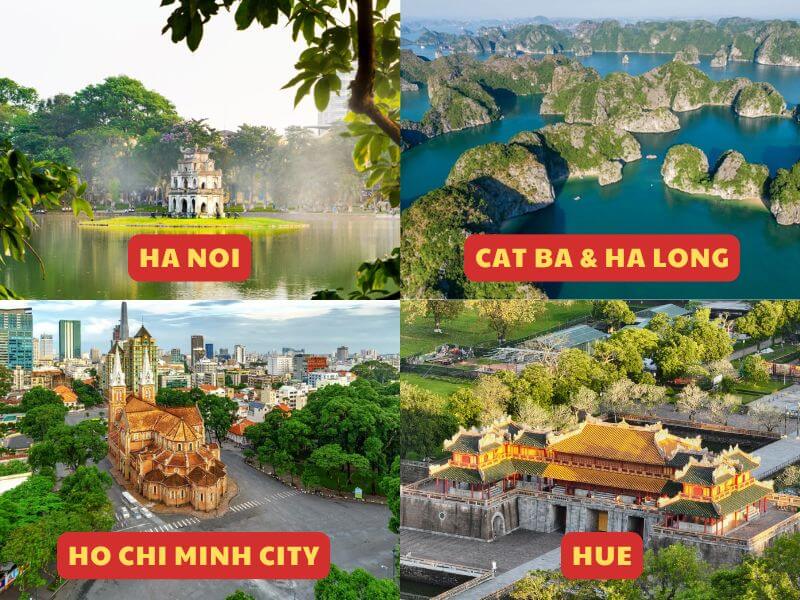
Hanoi → Sapa → Ha Giang Loop → Ninh Binh → Ha Long Bay → Phong Nha → Hue → Hoi An → Da Nang → Quy Nhon → Nha Trang → Da Lat → Ho Chi Minh City (Saigon) → Mekong Delta
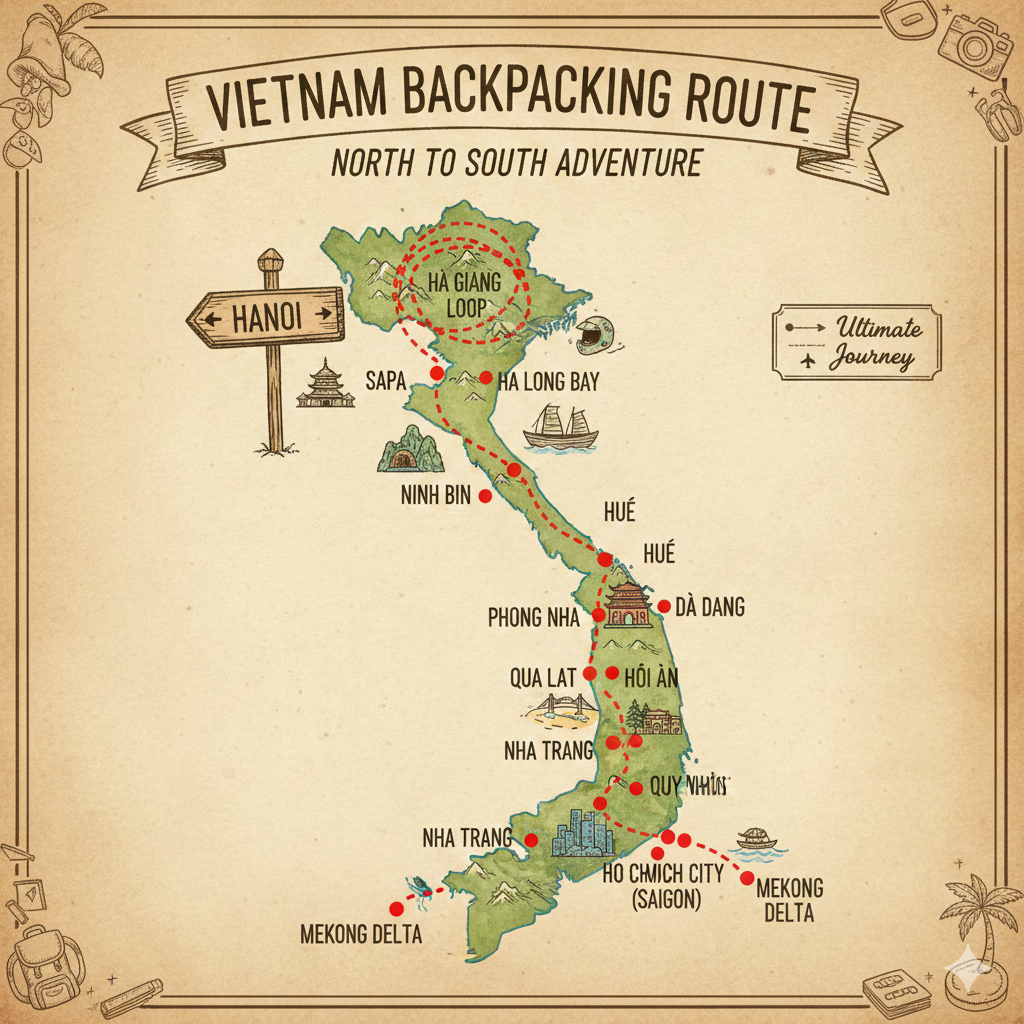
This route is fully doable using buses, trains, and occasional flights. A Vietnam backpacking map helps you visualize the movement from mountains to coastlines and finally to the Mekong lowlands.
And if you ever need local support for tours, transfers, or recommendations along the way, Sun Getaways Travel is always ready to help ensure your trip is memorable and stress-free.
The Best Vietnam Backpacking Route
Hanoi – The Cultural Gateway
Hanoi’s Old Quarter is chaotic, energetic, and full of character. Wander around Hoan Kiem Lake, explore coffee shops hidden in French colonial alleys, and take a walking food tour to try bánh cuốn, phở, and egg coffee.
If your Vietnam backpacking route starts here, spend at least 3–4 days. Hanoi is also a hub for day trips such as the Perfume Pagoda, Tam Dao, or traditional craft villages like Bat Trang.
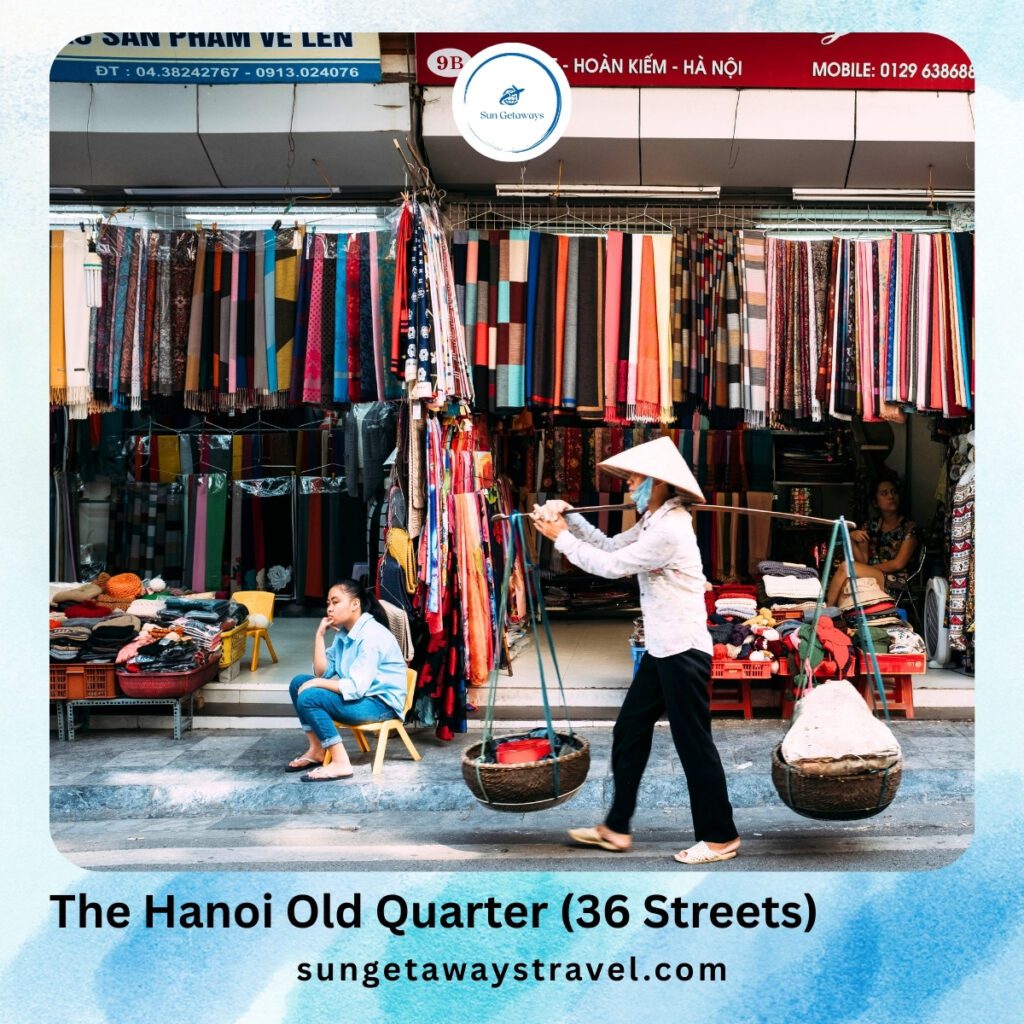
If you need a well-planned city intro or airport pickup, we provides friendly local support and custom day trips to ease you into Vietnam’s buzz.
Sapa – Trekking Through Terraced Mountains
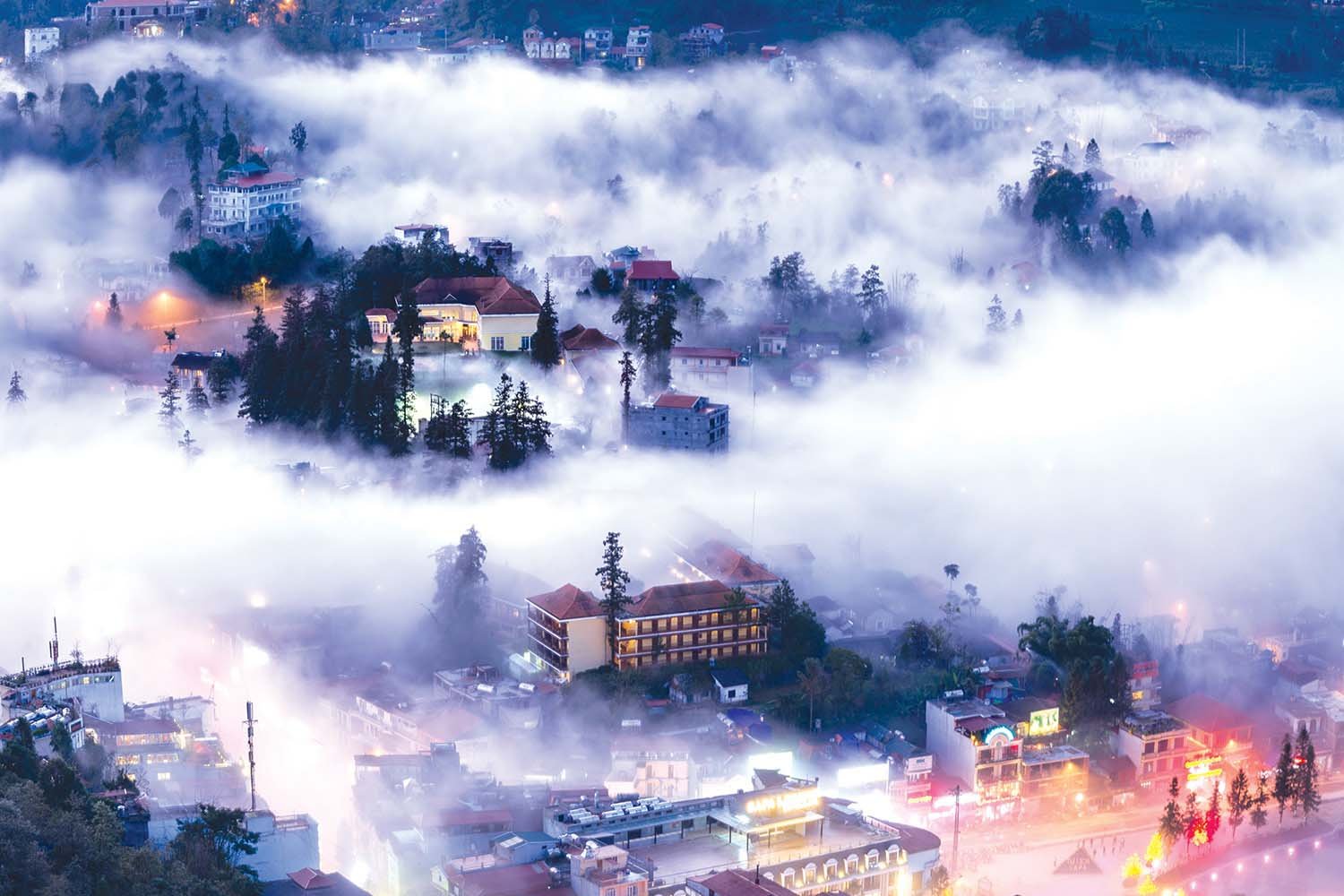
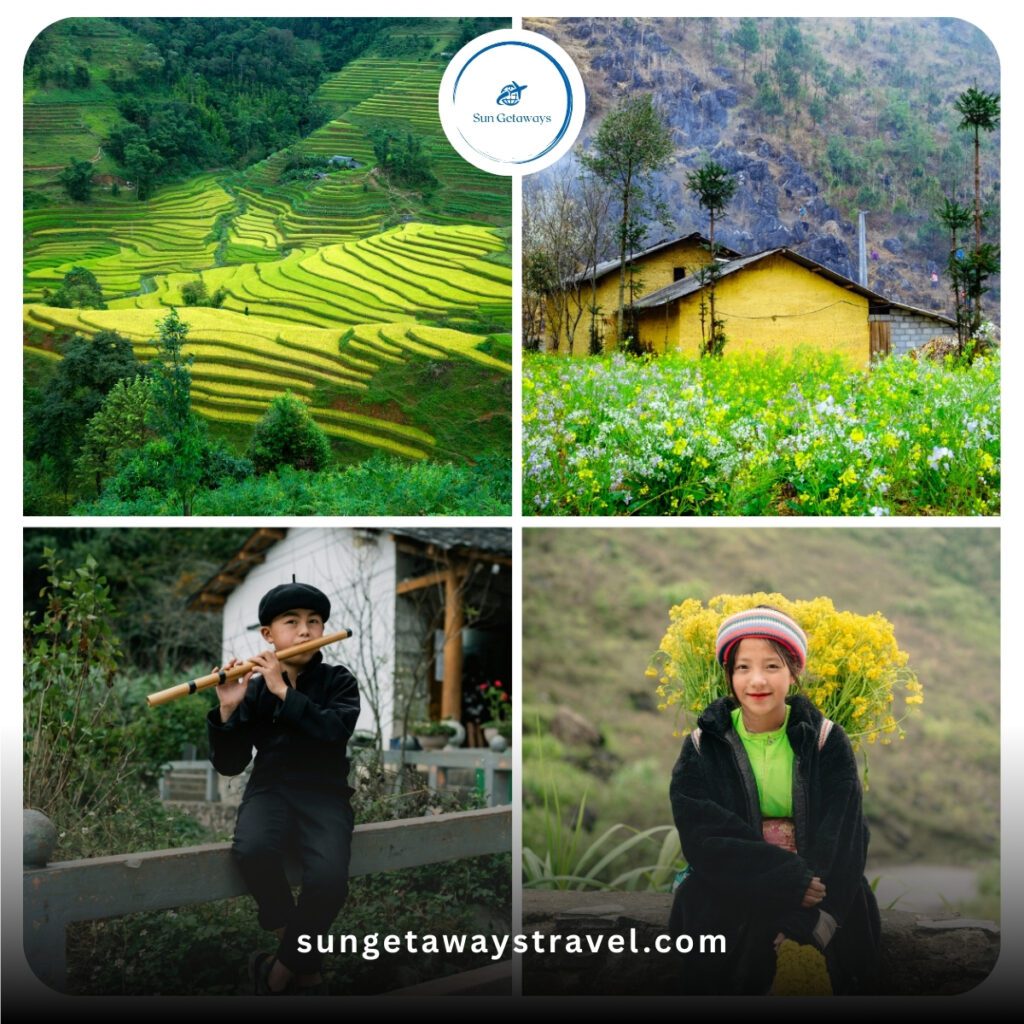
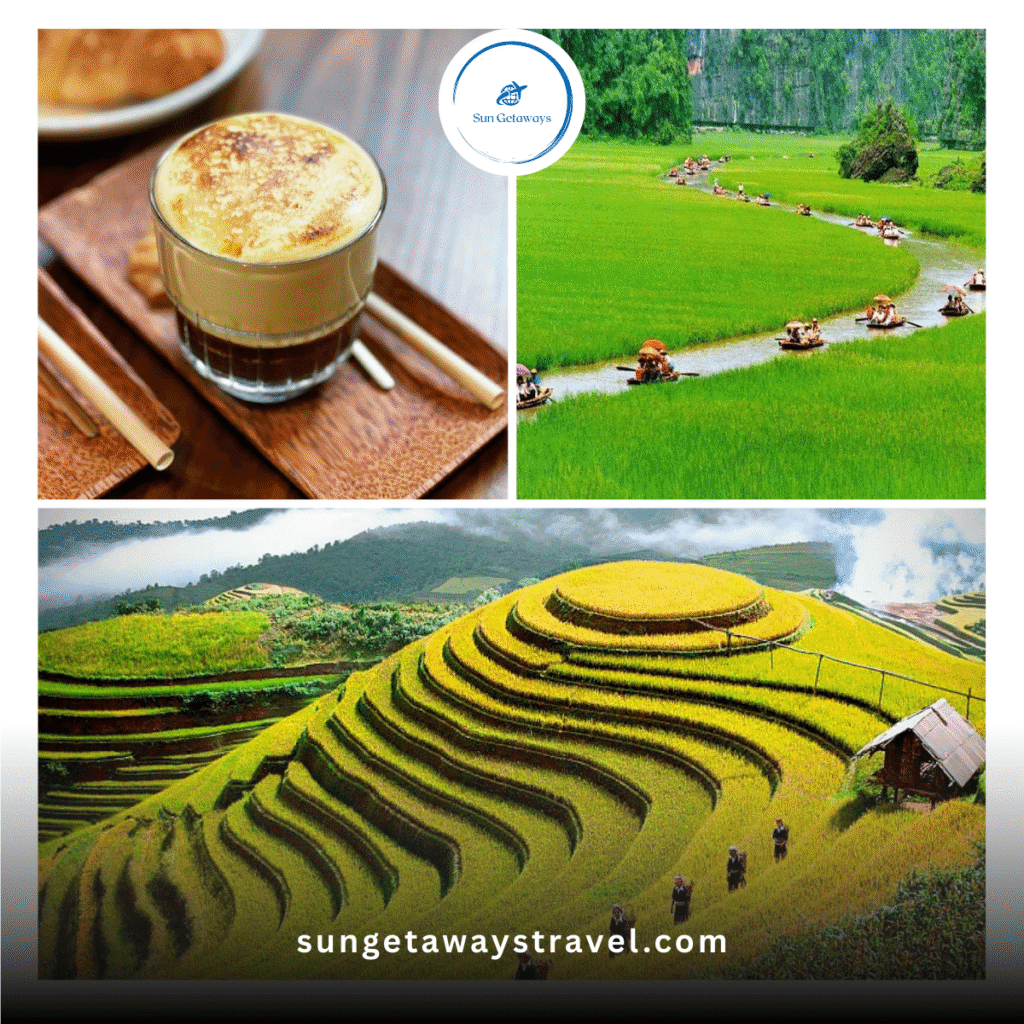
Once you take the night train or sleeper bus from Hanoi, Sapa welcomes you with its cool mountain air and terraced rice fields. The best part of Sapa is the trekking experience—whether through Lao Chai, Cat Cat, or Ta Van villages.
Homestays are affordable, meals are hearty, and interacting with the H’Mong and Red Dao ethnic communities offers a deeper understanding of Northern traditions.
Tip: Avoid weekends if you prefer quieter trails.

The region is a highlight in any Vietnam backpacking route, especially for those who enjoy nature and photography.
Ha Giang Loop – The Ultimate Motorbike Adventure
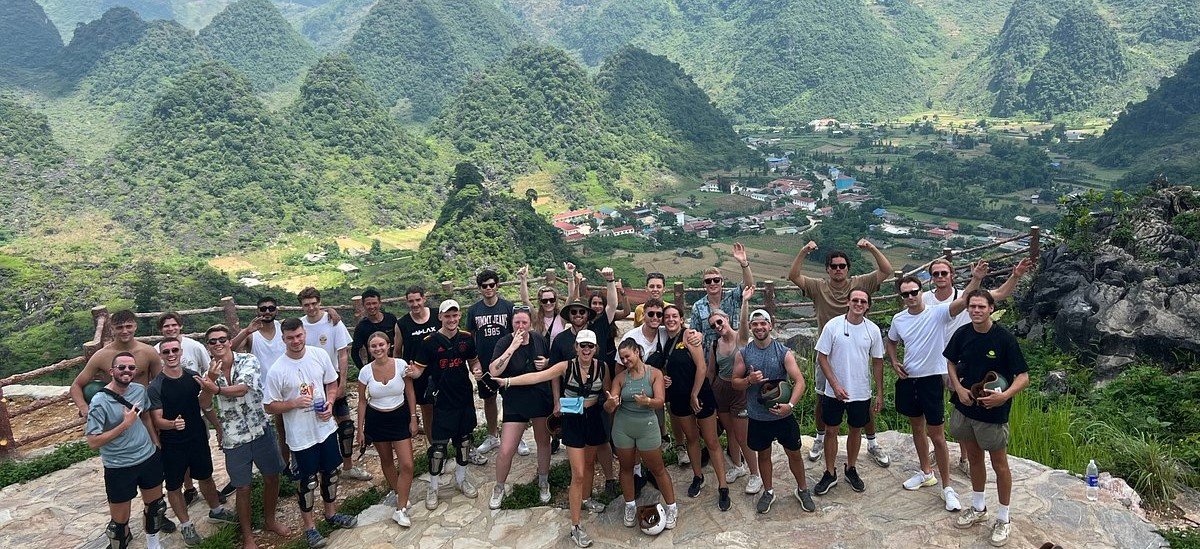
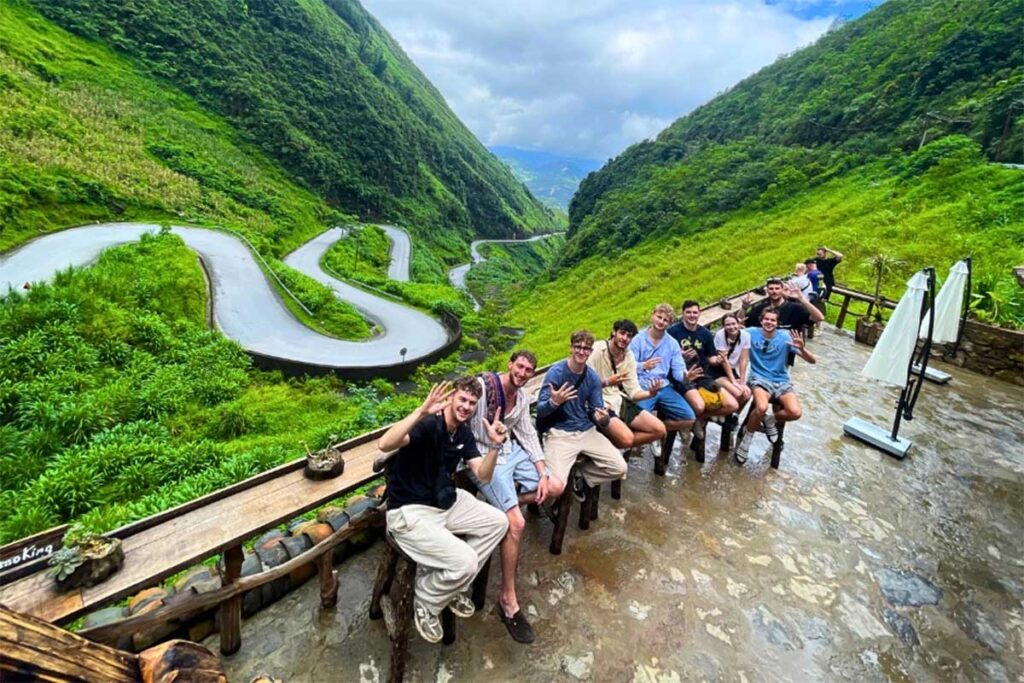
Ha Giang is one of the most striking places in Vietnam, offering towering limestone mountains, narrow passes, and dramatic valleys. Many travelers call it the “crown jewel” of their backpacking experience.
If you cannot ride a motorbike, join a guided easy-rider tour. It’s safer and more relaxing, particularly on winding roads.
Safety Tips (Important for Ha Giang)
- Wear protective gear; don’t be tempted by shorts.
- Avoid night riding—fog and lack of lights make it dangerous.
- Keep your phone charged; offline GPS is a must.
Ha Giang pairs well with your Vietnam backpacking map because it forms a northern loop before you continue to Ninh Binh.
Ninh Binh – “Ha Long Bay on Land”
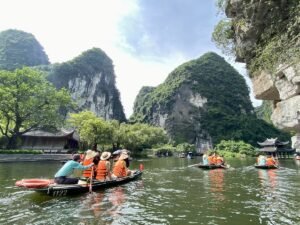
Ninh Binh offers peaceful countryside landscapes, limestone cliffs, and rivers winding through rice fields. Trang An and Tam Coc boat tours are essential experiences—quiet, scenic, and perfect for slow mornings.
Stay 2–3 days and rent a bicycle to explore Hoa Lu Ancient Capital, Mua Cave viewpoint, and traditional villages.
Ha Long Bay or Lan Ha Bay – Overnight Cruise Experience
Backpackers often wonder whether a cruise is worth the cost—and yes, it absolutely is. The overnight cruise includes kayaking, sunset viewing, swimming, and cave exploration, giving you a restful pause before continuing the route.
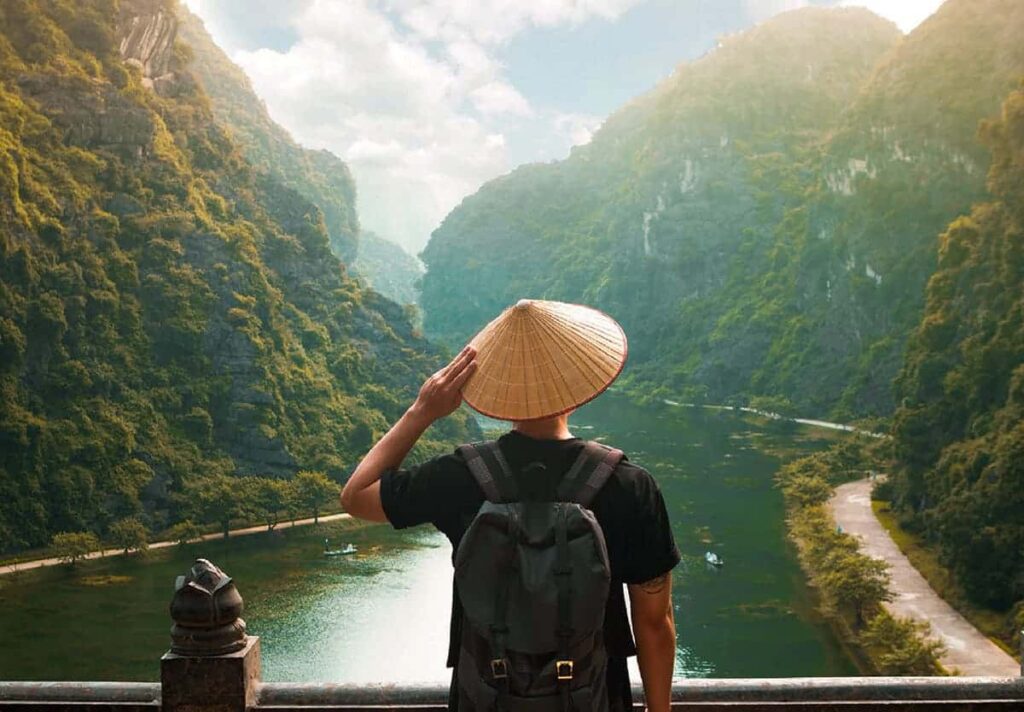
For budget travelers, Bai Tu Long or Lan Ha Bay offer quieter waters and more authentic scenery.
This part of the Vietnam backpacking route gives balance between adventure and relaxation.
Phong Nha – Asia’s Top Cave Destination
Phong Nha is spectacular for nature lovers. Massive cave systems such as Paradise Cave, Phong Nha Cave, and Dark Cave provide unforgettable adventure opportunities.
If you prefer extreme expeditions, Son Doong (the world’s largest cave) is the ultimate bucket-list item—though it requires booking far in advance.
Hue – Vietnam’s Imperial Capital
Hue is calm, nostalgic, and full of history. Wander the Imperial City, royal tombs, ancient pagodas, and riverside cafés. It’s a slower city, but deeply meaningful if you enjoy culture.
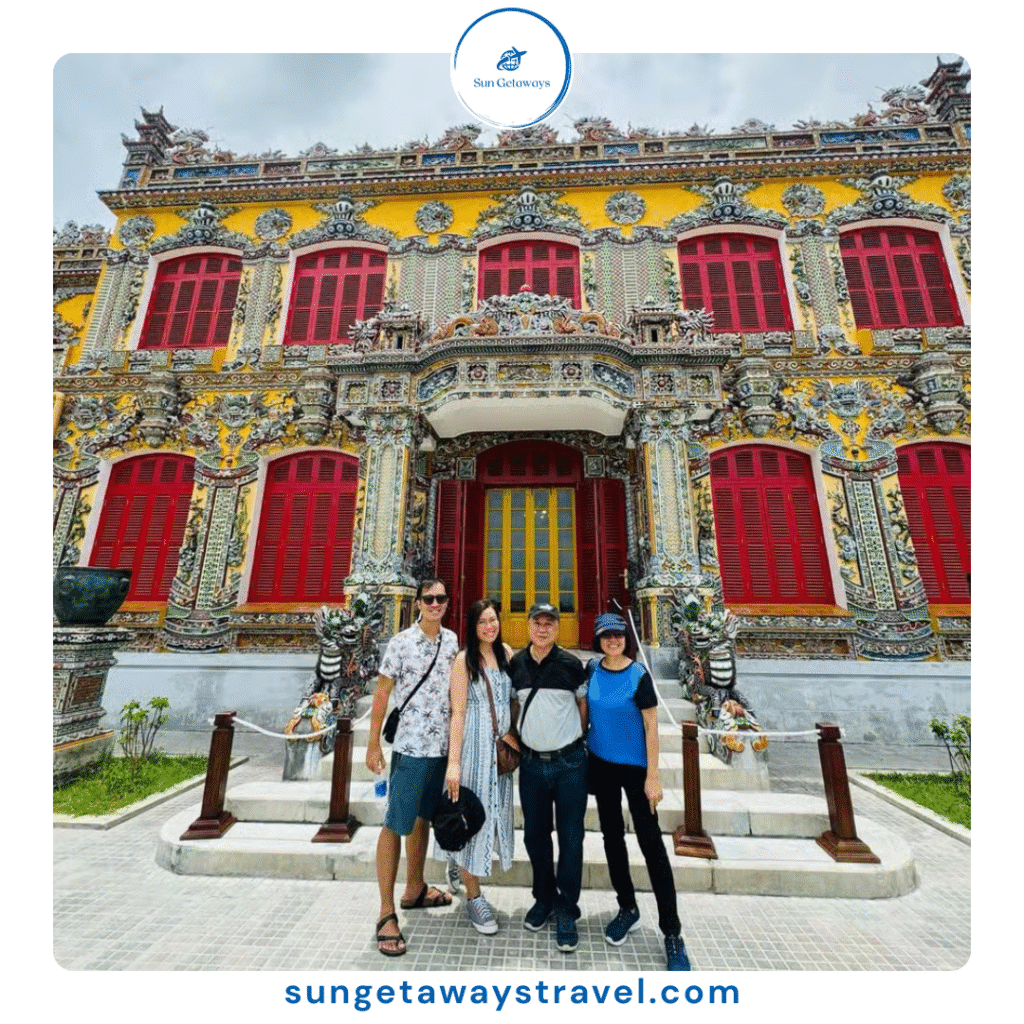
To move south, rent a motorbike or take a Jeep tour across the iconic Hai Van Pass—a highlight that should never be skipped on your Vietnam backpacking route.
Hoi An – Lantern Nights & Riverside Charm
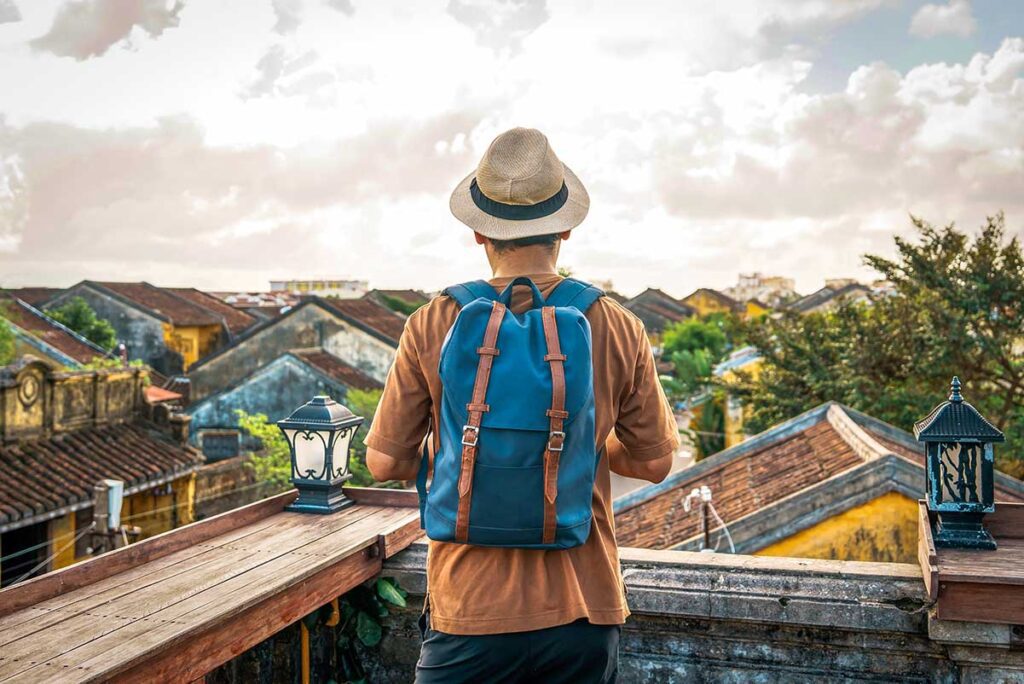
Hoi An is one of Vietnam’s most beloved destinations. The Ancient Town glows at night with colorful lanterns, riverside markets, and centuries-old architecture. You can join a cooking class, bicycle to An Bang Beach, or explore tailors for custom outfits.
This is a great moment to slow down after many days of movement.
If you want curated day tours or a seamless transfer to Hoi An, Sun Getaways Travel can arrange everything while keeping your backpacking flow flexible.
Da Nang – Beaches, Food, Bridges
Da Nang balances urban life with nature. Visit the Marble Mountains, surf on My Khe Beach, or enjoy the Dragon Bridge fire show on weekends.
Backpackers often stay 2–4 days because the city is easygoing and affordable.
Quy Nhon – Vietnam’s Rising Coastal Gem
Quy Nhon is less known internationally, but it is becoming popular for its quiet beaches, cheap seafood, and scenic coastal cliffs. Ky Co Beach and Eo Gio are top spots for photos.
If you prefer authentic experiences away from crowds, this city fits beautifully into your Vietnam backpacking route.
Nha Trang – Island Hopping & Water Sports
Nha Trang is vibrant and tropical, famous for island tours, snorkeling, and clear waters. It has more nightlife than most coastal towns, making it fun for social travelers.

The Vietnam backpacking map shows how Nha Trang serves as a smooth midpoint before reaching the cooler climate of Da Lat.
Da Lat – Pine Forests, Waterfalls & Chill Weather
Da Lat feels like a French mountain town with cozy cafés, pine forests, and waterfalls. Activities include canyoning, trekking, and visiting tea plantations.
If you travel from the coast, this change of climate feels refreshing—cooler air, romantic scenery, and a slower rhythm.
Ho Chi Minh City (Saigon) – Energy, Food & Culture
Saigon is lively, fast-paced, and full of modern cafés, markets, rooftop bars, war museums, and creative art spaces. Use it as a base to explore the Cu Chi Tunnels or the Mekong Delta.

The city marks the final stop of the north-to-south Vietnam backpacking route and offers excellent international flight connections.
Mekong Delta – River Life & Floating Markets
Can Tho, Ben Tre, and Cai Be offer some of Vietnam’s most authentic rural experiences. Wake up early for floating markets, cruise along coconut farms, and taste fresh tropical fruits from local gardens.
If you enjoy peaceful countryside scenes, add 2 days here before you end your journey.
Expert Advice: Emma’s 2026 Insights for Vietnam Backpacking Route
Emma, a senior consultant with 12 years of experience in Vietnam travel operations, shares her perspective:
“Backpackers in 2026 should prioritize less-touristy towns like Quy Nhon and Ha Giang, and schedule at least one nature-focused stop such as Phong Nha or Da Lat. Vietnam’s transportation system is now more flexible, so mixing buses, trains, and occasionally private transfers allows you to keep comfort without stretching the budget. Most importantly, avoid rushing—Vietnam is a country best enjoyed at a slower pace.”
Her advice reinforces that the best Vietnam backpacking route is not just about checking boxes but enjoying the rhythm of the country.
Budgeting for a 2026 Vietnam Backpacking Route
Vietnam remains extremely affordable for long-term travelers. Here’s a realistic breakdown:
- Hostels: 7–12 USD/night
- Local meals: 1–3 USD
- Transport (buses/trains): 8–25 USD
- Domestic flights: 35–90 USD if booked early
- Attractions & tours: 10–45 USD depending on activity
A Vietnam backpacking map also helps you spot when flying is cheaper than a long bus ride—especially for the Da Nang → Nha Trang or Hanoi → Da Lat segments.
Hidden Costs Backpackers Often Forget
Some costs are small but add up if you travel 3–5 weeks.
Phone data/SIM card:
Vietnam’s mobile coverage is excellent. A tourist SIM with 30GB data costs around 7–9 USD. Essential for online maps and messaging.
Visa fees:
Depending on your nationality, e-visa fees range from 25–50 USD (read more in Vietnam Visa). Always check the updated policy before flying.
Laundry:
2–3 USD per kilo, especially in hostel areas.
ATM fees:
Some banks charge ~3 USD per withdrawal. Try using banks with lower fees like VPBank or TPBank.
When Is the Best Time to Follow This Vietnam Backpacking Route?
Vietnam spans various climates. Generally:
- North (Hanoi, Sapa, Ha Giang): Best from September to April
- Central Coast (Hue → Nha Trang): Best from February to August
- South (Saigon & Mekong): Great year-round
If you follow a full north-to-south route, February–April or September–November are ideal for consistent weather.
Transportation Tips for a Smooth Backpacking Route
- Sleeper buses are comfortable but book through reputable companies.
- The Reunification Express train provides a scenic and safe alternative.
- Domestic flights save time during your long route.
- Overnight travel helps you save on accommodation.
If you want a fully optimized route with pre-arranged transfers, Sun Getaways Travel can help design a flexible itinerary that still feels like backpacking but avoids unnecessary stress
Final Thoughts on Planning Your Vietnam Backpacking Route for 2026
Vietnam offers unmatched value for backpackers—adventure, culture, food, nature, and unforgettable landscapes. By using a well-structured Vietnam backpacking route, supported by a clear Vietnam backpacking map, you can move smoothly from the cool northern mountains to the sunny southern rivers.


Related Tour
12 Days Vietnam Classic Tour From North To South


26 Reviews

Discover the Essence of Vietnam: A 12-Day Journey
46 Reviews

4 Days Hanoi Halong Ninh Binh Muslim Tour
21 Reviews
6 Days Muslim Hanoi Sapa Trang An & Halong Bay
0 Reviews

12-Day Vietnam Small Group Adventure Tour
22 Reviews
Hoi An Sunrise Fish Market Tour
0 Reviews
Ask a question
Leave a Comment (0)
No questions yet. Be the first to ask a question!
See related Posted
Luxury Golf Resorts in Vietnam – Elite Golf Travelers

Vietnam is increasingly recognized as a premier golf destination in Asia, therefore luxury golf…
Macrame in Vietnam: The Revival of Knot Art in Contemporary Craft Culture

Macrame in Vietnam reflects the country’s growing engagement with contemporary handmade culture, where global…
Vietnamese Musical Instrument Craft: Traditional Instrument Making in Vietnam

Vietnamese musical instrument craft reflects a long-standing relationship between sound, material, and cultural memory.…
Traditional Vietnamese Kite Art: History, Craftsmanship, and Cultural Meaning

Traditional Vietnamese kite art is a living expression of folk creativity, community values, and…
Vietnamese Folk Masks: Tradition, Symbolism & Cultural Meaning

Vietnamese folk masks are a distinctive form of traditional art that reflects the spiritual…
Vietnamese Embroidery Art: Traditional Craftsmanship & Cultural Meaning

Vietnamese embroidery art is a refined traditional craft that reflects patience, cultural memory, and…