





What is the Real Backpacking Cost Vietnam in 2026? A Daily Budget Breakdown
 Dan Vy
  3 min. to read
 Planning a trip to Vietnam brings excitement—but one of the first questions backpackers ask is: “What is the Real Backpacking Cost Vietnam in 2026?” With rising accommodation and transport prices, it’s essential to know what a realistic daily budget looks like. Vietnam remains one of Asia’s most affordable destinations, but your backpacking budget Vietnam will vary depending on style, pace, and activities. This guide gives you a detailed, practical breakdown so you can plan your trip confidently without overspending.
Key Takeaways
- Backpacking cost Vietnam varies by style: shoestring budget is $18-$25/day, standard is $30-$45/day, and comfort is $50-$70/day.
- Accommodation costs include dorms ($6-$12/night), guesthouses ($15-$25/night), and budget hotels ($20-$35/night).
- Food is affordable with street meals averaging $1-$2 and daily budgets ranging from $5 to $25 depending on travel style.
- Transportation remains cheap, with local options like GrabBike at $1-$2, while sleeper buses cost $10-$18 for longer distances.
- Plan ahead and account for hidden costs like SIM cards and laundry to avoid overspending on your backpacking cost Vietnam.
Vietnam Backpacking Cost Overview
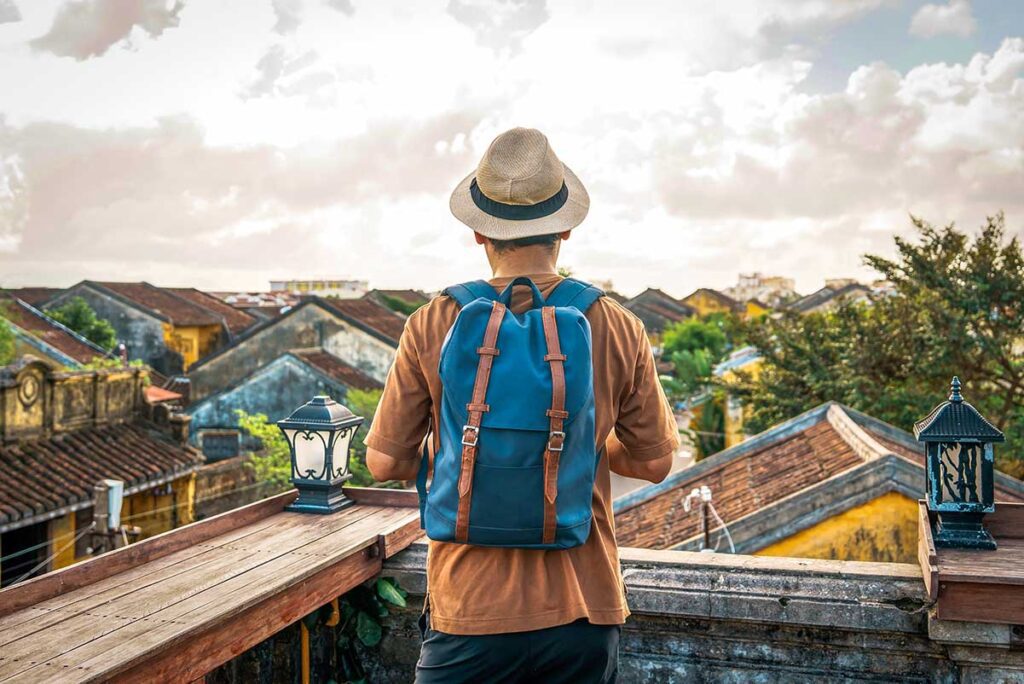
To start, here’s a realistic snapshot of daily expenses in 2025:
- Shoestring backpacker: $18–$25/day
- Standard backpacker: $30–$45/day
- Comfort backpacker: $50–$70/day
These ranges cover accommodation, food, transportation, and basic activities. Your actual Vietnam backpacking cost will depend on which regions you visit, how fast you move, and whether you join tours or stick to free experiences.
If you want a personalized travel plan, Sun Getaways Travel can help craft a route that balances comfort, adventure, and affordability.
Accommodation Costs in Vietnam
Accommodation costs is usually the largest part of your Vietnam backpacking cost. Thankfully, options are diverse and affordable.
Hostels:
Dorm beds range from $6–$12/night in major cities like Hanoi, Ho Chi Minh City, or Da Nang. In smaller towns like Ha Giang or Ninh Binh, dorm beds can be $5–$9/night. Private rooms in hostels cost around $18–$25/night. Many hostels offer free breakfast, evening activities, or social events to enhance the experience.
Guesthouses & Homestays:
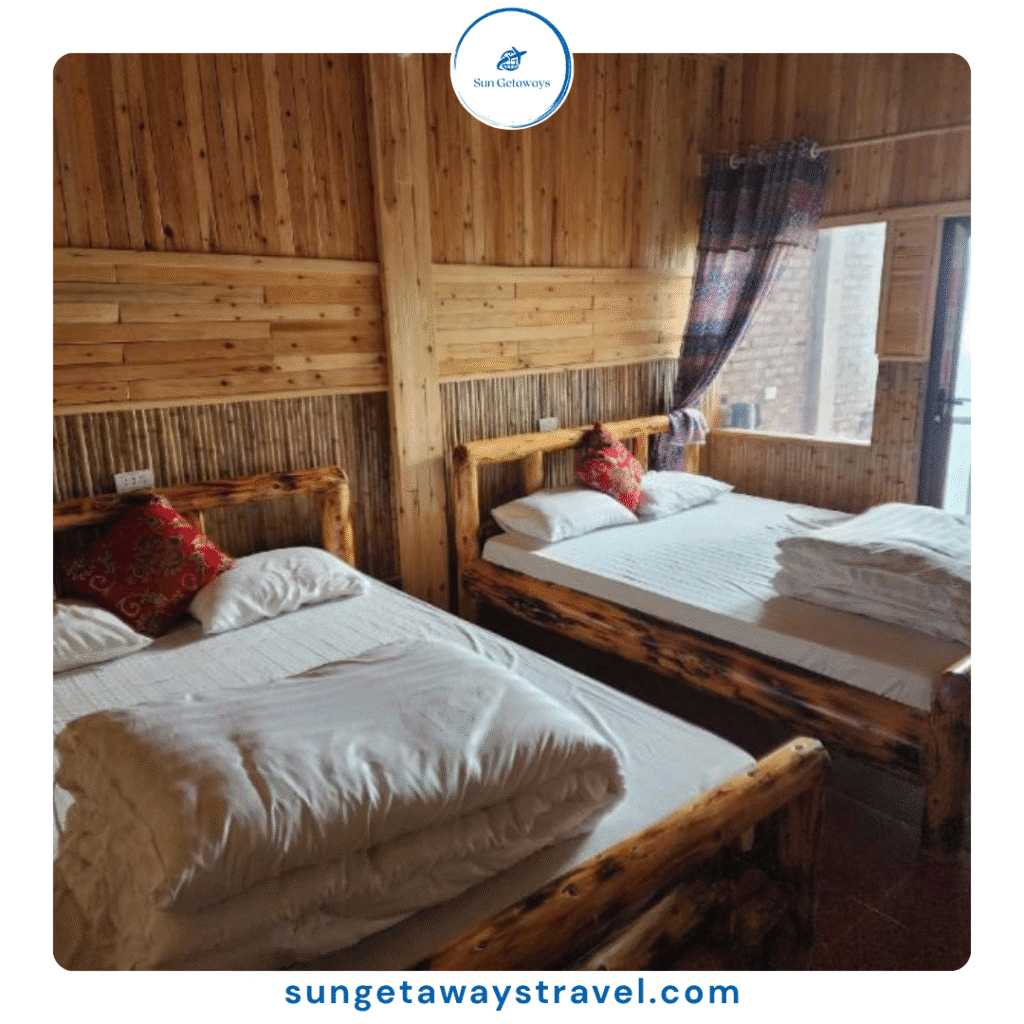
Guesthouses generally cost $15–$25/night. Homestays in rural areas are $12–$20/night and often include home-cooked meals for $2–$4, making them an affordable and cultural choice. Boutique homestays with scenic views may reach $25–$40/night, offering a slightly higher comfort without inflating your backpacking budget Vietnam excessively.
Budget Hotels:
For travelers seeking privacy, basic budget hotels are $20–$35/night, and three-star budget hotels range $30–$50/night. These are ideal for couples or travelers who want comfort while controlling their Vietnam backpacking cost.
Food & Drink Costs
Vietnamese cuisine is both delicious and extremely budget-friendly. Eating like a local is one of the most effective ways to manage your backpacking budget Vietnam.
Street Food & Local Meals:
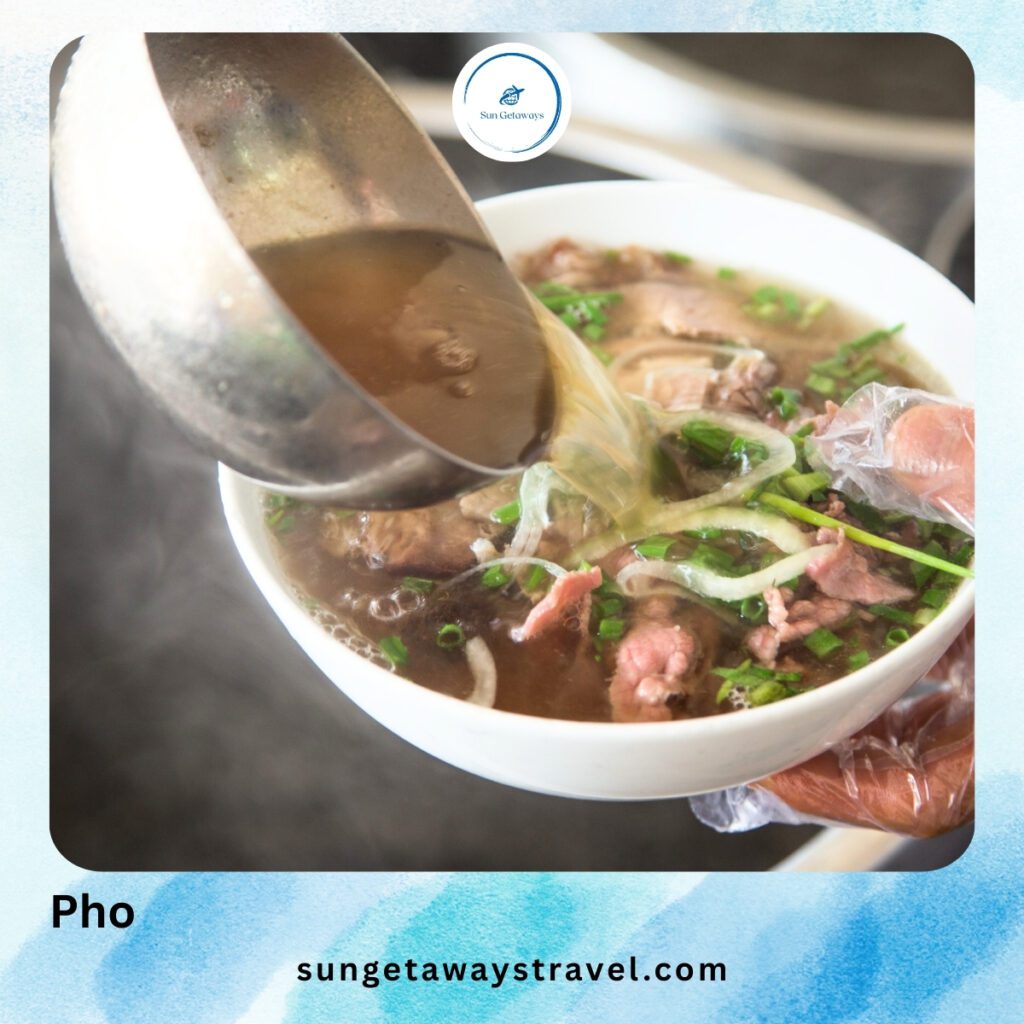
- Pho: $1.50–$2.50
- Banh mi: $1–$1.50
- Com tam (broken rice): $1.50–$2
- Fresh spring rolls: $1–$2
Drinks:
- Vietnamese coffee: $1–$2 (Read more about Vietnam culinary experiences)
- Fresh beer (bia hơi): $0.40–$0.80
- Smoothies: $1.50–$3
- Craft beer: $3–$5
Daily Food Budget Estimates (Read more in Food & Drink Costs guide):
Shoestring travelers spend $5–$8/day, standard backpackers $10–$15/day, and comfort travelers $15–$25/day. Including occasional café meals or treats will slightly increase the budget but enhances the travel experience.
Transportation Costs
Getting around Vietnam is cheap, especially compared to other Asian countries, though long-distance travel can affect your Vietnam backpacking cost.
Local Transportation:
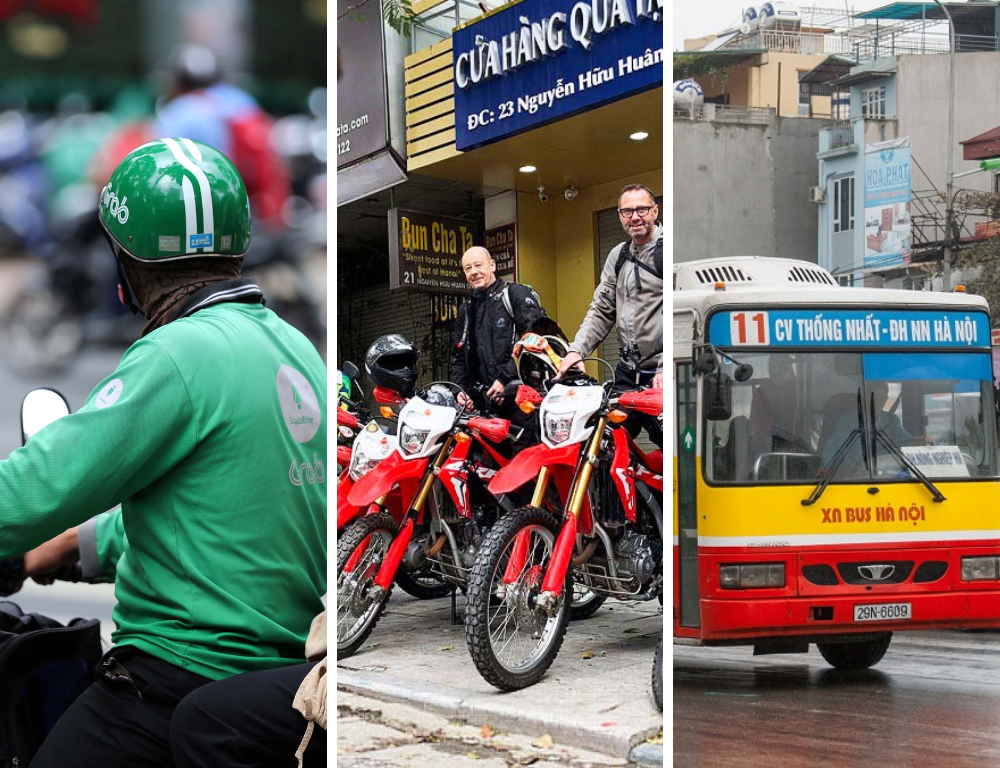
GrabBike or scooters cost $1–$2 for short rides. Local buses run $0.30–$0.60. Taxis average $0.50–$0.75 per km, and renting a motorbike costs $6–$10/day. For cities like Hanoi or Ho Chi Minh City, scooters are the most efficient way to explore (You should explore Vietnam on motorbike).
Intercity Travel:
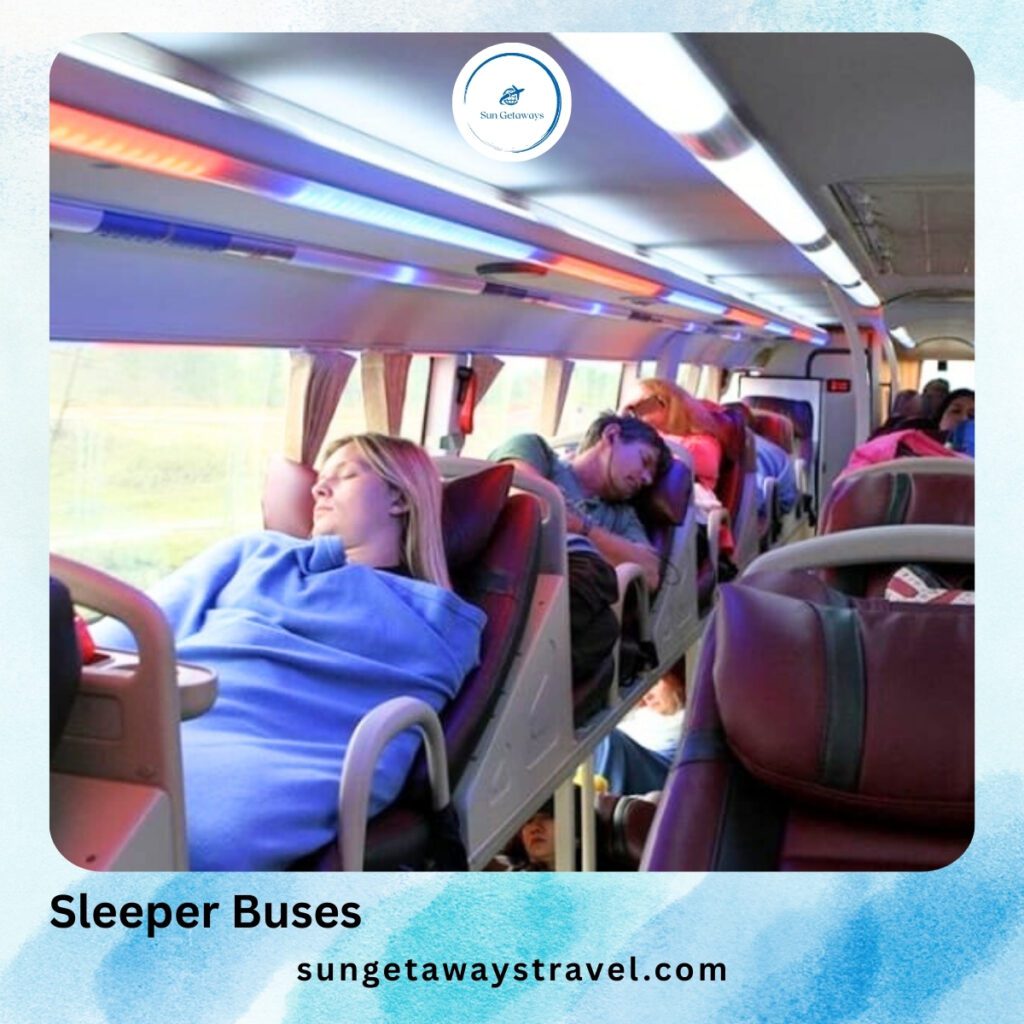
Sleeper buses are $10–$18 for overnight trips, trains cost $20–$40 depending on distance, and domestic flights range $35–$70 if booked a few weeks in advance. Slow travel—fewer flights and longer bus/train rides—can reduce your overall Vietnam backpacking cost significantly.
Tours & Activities
Tours & activities are optional but add variety to your trip. Prices are generally reasonable, making it easy to include them without inflating your Vietnam backpacking cost.
Popular options include:
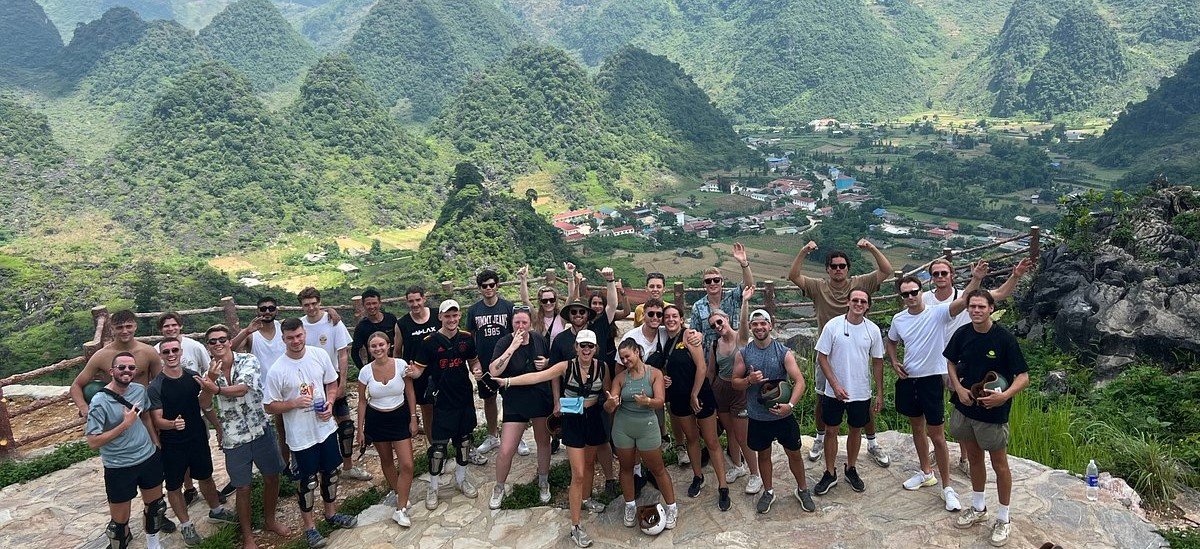
- Ha Giang Loop (3–4 days): $110–$180 (Check our Ha Giang Loop guide)
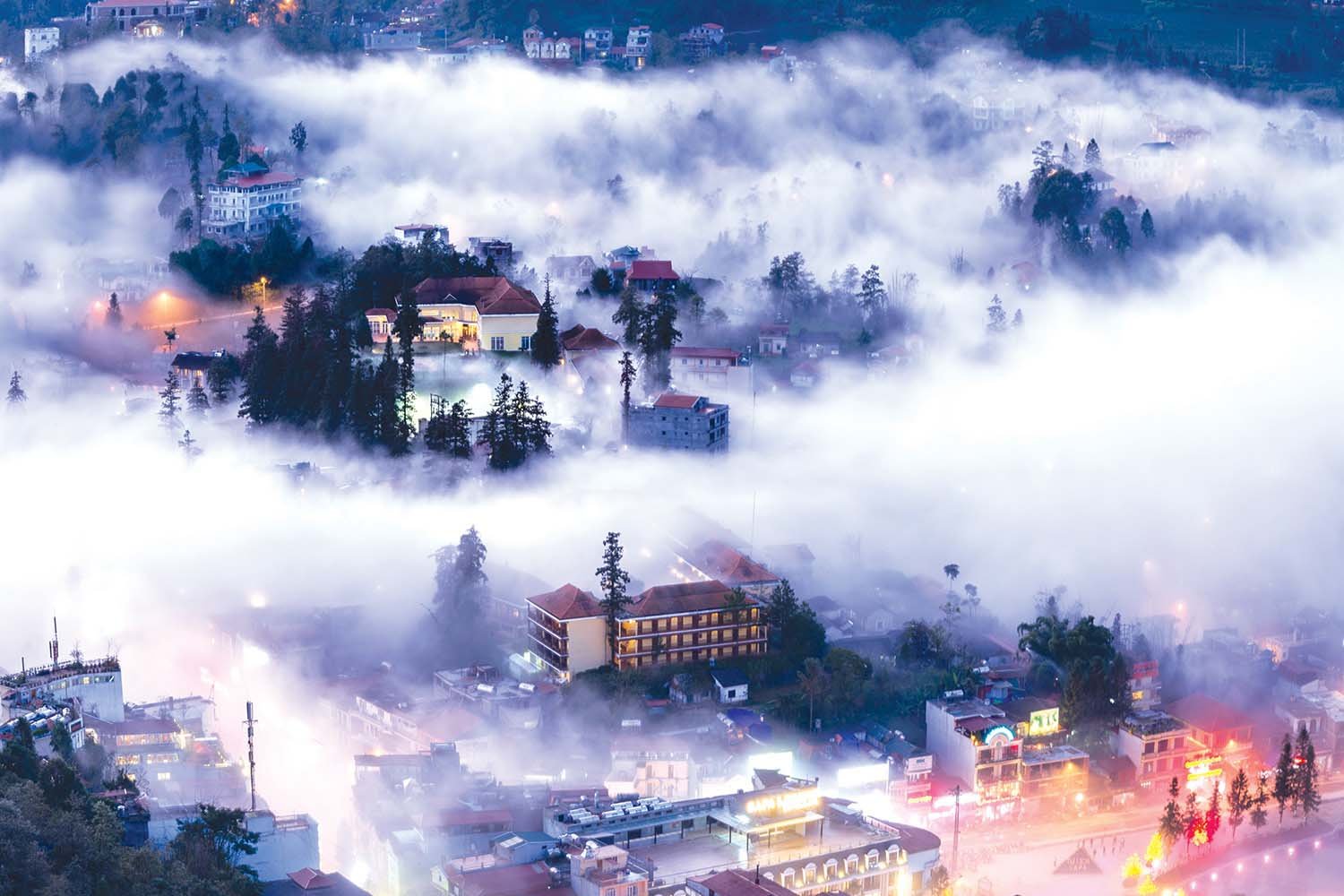
- Sapa trekking (1–2 days): $22–$40
- Ha Long Bay day cruise: $45–$70
- Phong Nha caves: $40–$85
- Canyoning in Da Lat: $65–$80
- Mekong Delta day trip: $25–$40
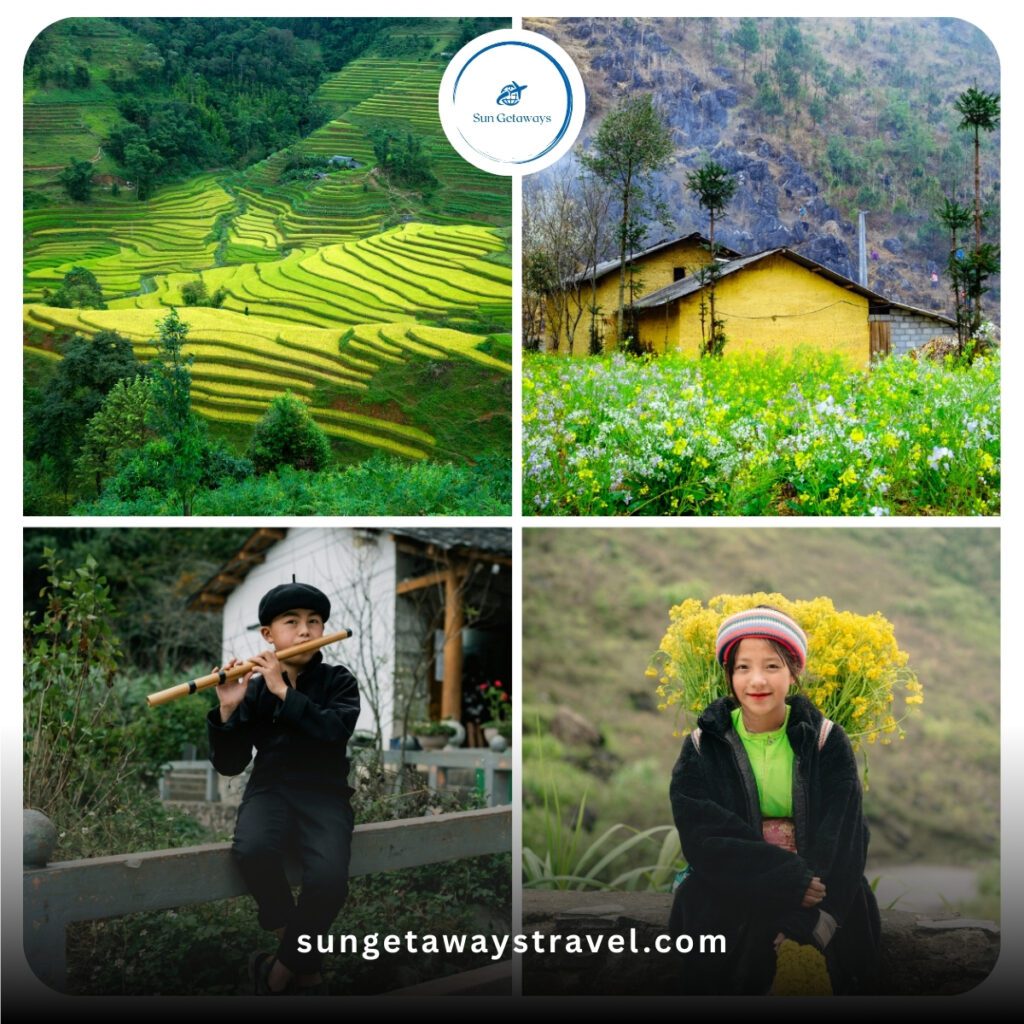
Free activities include walking the Old Quarter in Hanoi, visiting local markets, exploring beaches, or cycling in the countryside.
For well-priced, reliable tours, Sun Getaways Travel can arrange multi-day routes or recommend trustworthy local operators that fit your budget.
Daily Budget Recommendations
Shoestring ($18–$25/day):
Dorms, street food, shared transportation, minimal tours, and minimal nightlife. Perfect for students or travelers seeking maximum cost savings (Vietnam on a budget).
Standard ($30–$45/day):
Mix of dorms and private rooms, street food plus occasional cafés, motorbike rental, 1–3 paid activities per week, occasional drinks. This is the most common style.
Comfort ($50–$70/day):
Private rooms or boutique homestays, mix of local and Western meals, occasional domestic flights, multiple tours, and regular coffee or bar visits. Offers convenience and a richer travel experience.
Hidden Costs Backpackers Often Forget
Even with careful planning, certain expenses can surprise you if not accounted for:

- Phone Data/SIM Card: Local SIM cards are $6–$8 for 7–10GB, while eSIMs cost $7–$12 but offer convenience.
- Visa Fees: Single-entry e-visas are $25 with processing in 3–5 days (Vietnam Visa).
- Laundry: $1.50–$2.50 per kg in most towns.
- Nightlife & Alcohol: Local bars cost $1–$3 per drink, clubs $4–$8, and a full night out may reach $10–$20.
- Travel Insurance: Often overlooked, insurance can cost $5–$10/day depending on coverage but prevents huge unexpected expenses from accidents or medical emergencies. Accounting for these hidden costs is crucial to avoid exceeding your Vietnam backpacking cost.
Expert Insight (Emma – 12 Years of Experience)
“Since 2023, accommodation and food prices in major cities and popular trekking spots like Sapa and Ha Giang have increased slightly, but Vietnam still offers unbeatable value compared to other Asian countries. In 2025, a daily budget of $30–$40 ensures backpackers enjoy homestays, local tours, and safe transportation without overspending.”
— Emma, Senior Vietnam Tour Consultant & Operator
Emma also emphasizes that planning ahead—especially for transportation and multi-day tours—can save 10–20% on your total Vietnam backpacking cost.
Sample 2-Week Budget
This sample budget provides a realistic sense of what a traveler can expect to spend for a 14-day trip in 2026, excluding international flights and major one-off visa/insurance costs.
| Budget Style | 14-Day Range (USD) | What the Budget Covers |
| Shoestring | $260 – $330 | Dorm accommodation (mostly), reliance on street food, public buses, minimal tours (self-guided), and no expensive nightlife. This is the bare minimum Vietnam backpacking budget for essentials. |
| Standard | $450 – $650 | Mix of dorms and homestays, 2–3 major organized tours (e.g., Ha Giang Loop, Ha Long Bay Cruise—budgeted separately), frequent café meals, short motorbike rentals, and trains. This is the most common backpacking budget Vietnam uses. |
| Comfort | $750 – $1,050+ | Private rooms in boutique hotels, mix of local and Western meals, domestic flights (to save time), multiple premium day tours, and enjoying nightlife/bars. This offers a high level of comfort and convenience. |
This gives a realistic sense of what a traveler can expect to spend for a 2-week budget trip in 2026.
Tips to Reduce Vietnam Backpacking Cost
- Prioritize local food over Western restaurants.
- Book buses or trains in advance.
- Travel slowly to reduce transport costs.
- Use GrabBike instead of taxis.
- Choose group tours instead of private ones.
- Focus on free attractions like temples, beaches, or markets (Best things to do in Vietnam).
Even small adjustments can save $5–$15 per day, making your backpacking budget more flexible.
Conclusion
Vietnam remains a top destination for budget-conscious travelers in 2025. The Vietnam backpacking cost can be as low as $18/day or as comfortable as $70/day depending on your travel style. By planning ahead, including hidden costs, and balancing free activities with select tours, you can maximize value while enjoying unforgettable experiences.
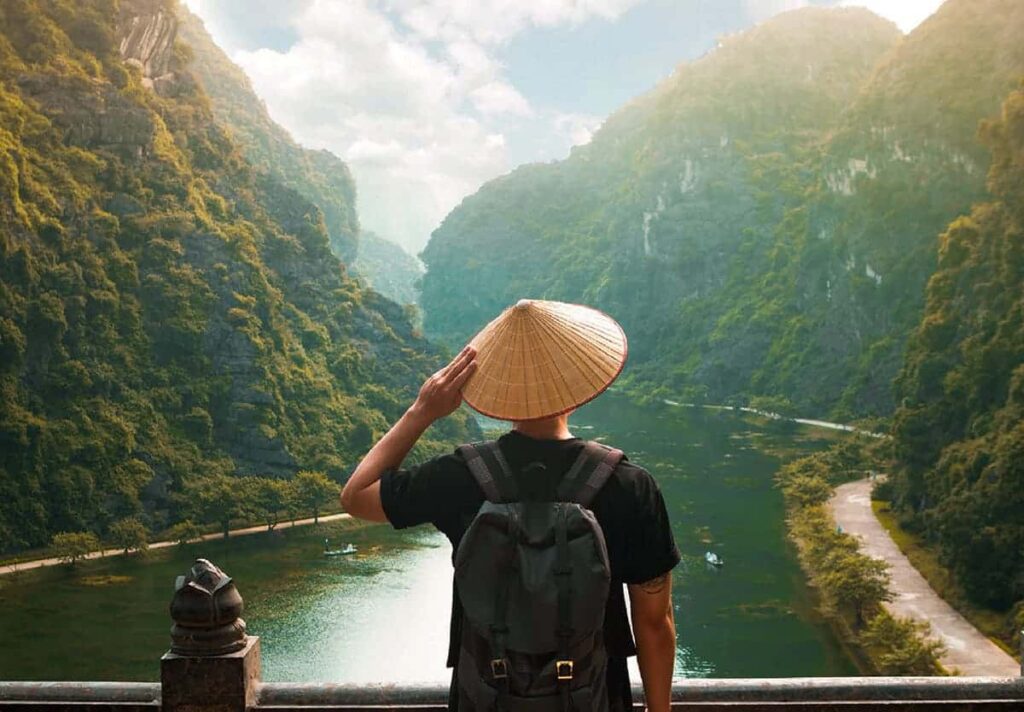
With expert guidance from Emma and help from Sun Getaways Travel, backpackers can confidently design routes, stay within budget, and still enjoy Vietnam’s stunning landscapes and culture.
FAQs About Vietnam Backpacking Cost
Most backpackers spend $30–$45/day comfortably.
Yes, it remains one of the most affordable destinations in Asia.
Expect $450–$650 for a standard backpacking experience.
Most day tours cost $20–$70 depending on region.
Yes, if you stick to dorms, street food, and slow travel.


Related Tour

13 Days Vietnam Beauty from North to South


19 Reviews
Hanoi tour to explore Military History
0 Reviews
5 Days Muslim Tour Hanoi, Sapa & Halong Bay
0 Reviews

Discover the Essence of Vietnam: A 12-Day Journey
46 Reviews

5-Day Highlights of Central Vietnam
27 Reviews
Best Cultural & Heritage Vietnam 12 Days
35 Reviews
Ask a question
Leave a Comment (0)
No questions yet. Be the first to ask a question!
See related Posted
Luxury Golf Resorts in Vietnam – Elite Golf Travelers

Vietnam is increasingly recognized as a premier golf destination in Asia, therefore luxury golf…
Macrame in Vietnam: The Revival of Knot Art in Contemporary Craft Culture

Macrame in Vietnam reflects the country’s growing engagement with contemporary handmade culture, where global…
Vietnamese Musical Instrument Craft: Traditional Instrument Making in Vietnam

Vietnamese musical instrument craft reflects a long-standing relationship between sound, material, and cultural memory.…
Traditional Vietnamese Kite Art: History, Craftsmanship, and Cultural Meaning

Traditional Vietnamese kite art is a living expression of folk creativity, community values, and…
Vietnamese Folk Masks: Tradition, Symbolism & Cultural Meaning

Vietnamese folk masks are a distinctive form of traditional art that reflects the spiritual…
Vietnamese Embroidery Art: Traditional Craftsmanship & Cultural Meaning

Vietnamese embroidery art is a refined traditional craft that reflects patience, cultural memory, and…