






A Guide to Trekking the Stunning Valleys in Vietnam
 Dan Vy
  3 min. to read
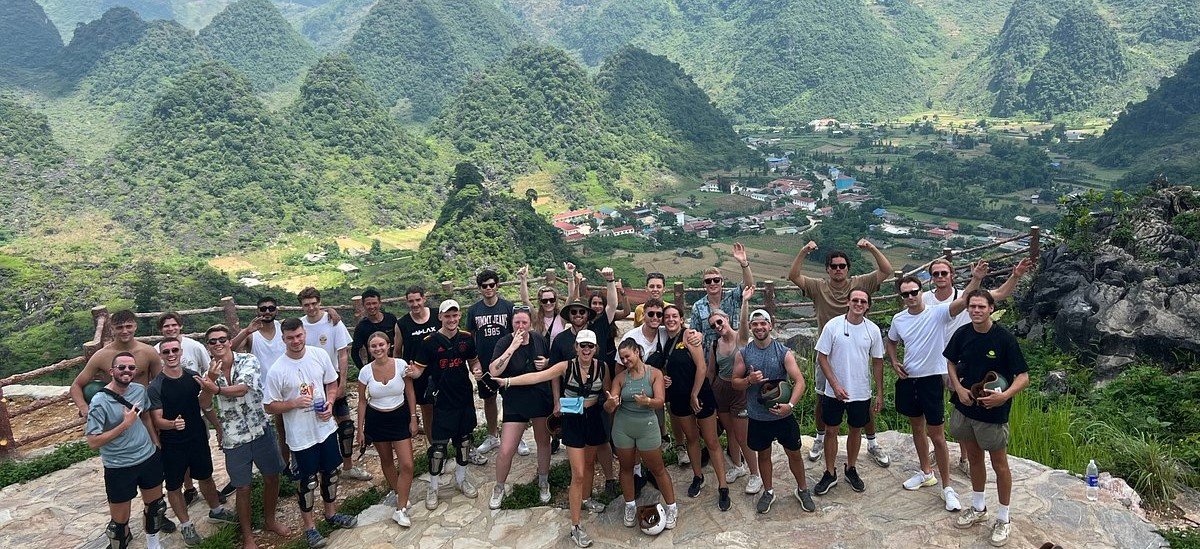
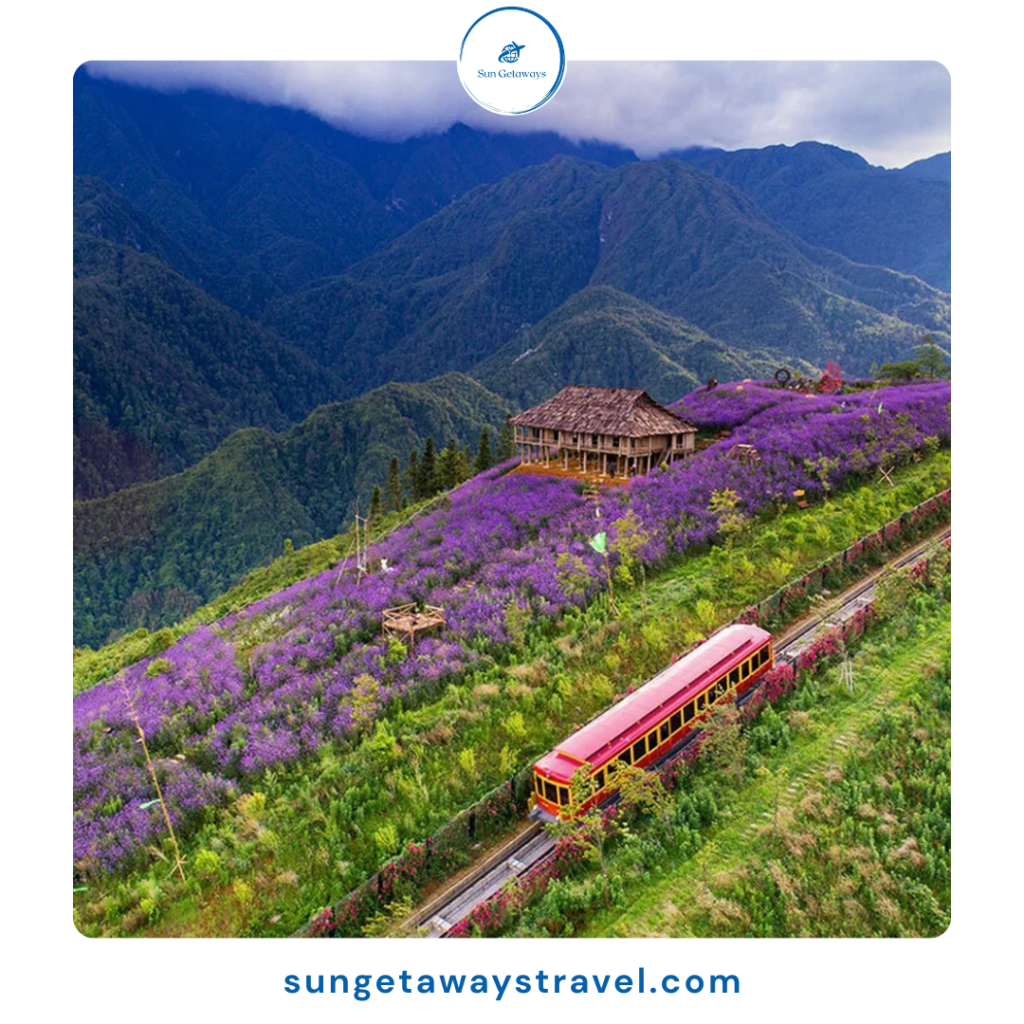
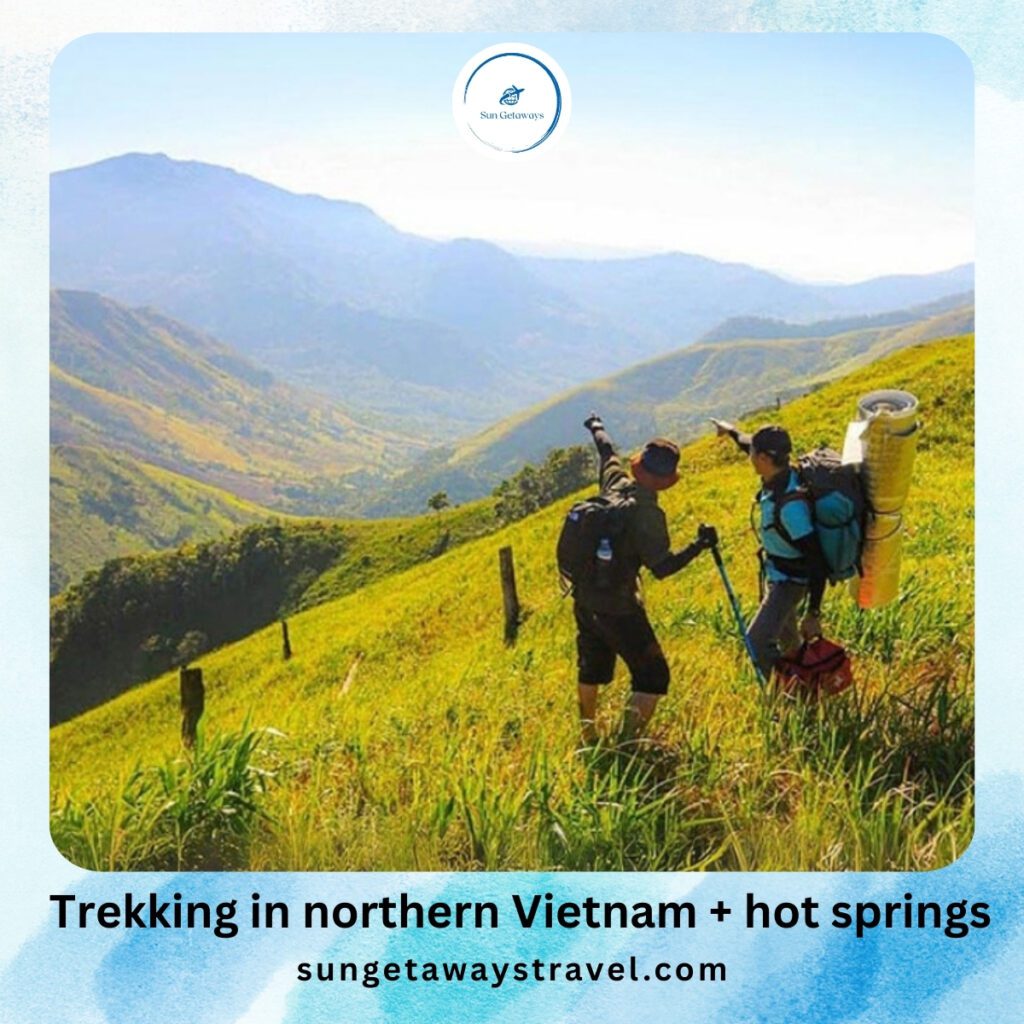
 Vietnam is one of Southeast Asia’s most rewarding countries for trekking, especially for travelers who enjoy slow movement through rural landscapes rather than high-altitude climbs. The valleys in Vietnam offer layered scenery, ethnic villages, and walking routes shaped by daily agricultural life rather than tourism infrastructure.
For many visitors, exploring the scenic valley landscapes in Vietnam becomes the most memorable part of the journey, as trekking allows closer interaction with both nature and local communities.
Key Takeaways
- Vietnam offers unique trekking experiences, particularly in its valleys, catering to those who appreciate rural scenic landscapes in Vietnam.
- Northern valleys are the heart of trekking culture, but conditions vary, so travelers must choose wisely.
- Popular valleys include Muong Hoa for its iconic views, Hoang Su Phi for solitude, and Mai Chau for gentle introductions.
- Prepare for trekking by considering weather, hiring local guides, and avoiding common mistakes like poor planning.
- Structured itineraries help balance trekking with cultural experiences, ensuring a fulfilling journey through the valleys in Vietnam.
Northern Valleys That Define Trekking In Vietnam
Northern Vietnam is the heart of trekking culture in the country, but choosing the right destination requires more than picking a famous name. Weather conditions change rapidly, transport access varies by season, and trail difficulty can differ even within the same region.

Travelers often underestimate how long it takes to move between valleys or assume that all routes are well marked. The sections below focus on destinations that are genuinely suitable for trekking and long walks, helping travelers match their expectations with real conditions on the ground.
1. Muong Hoa Valley – ⭐⭐⭐⭐⭐
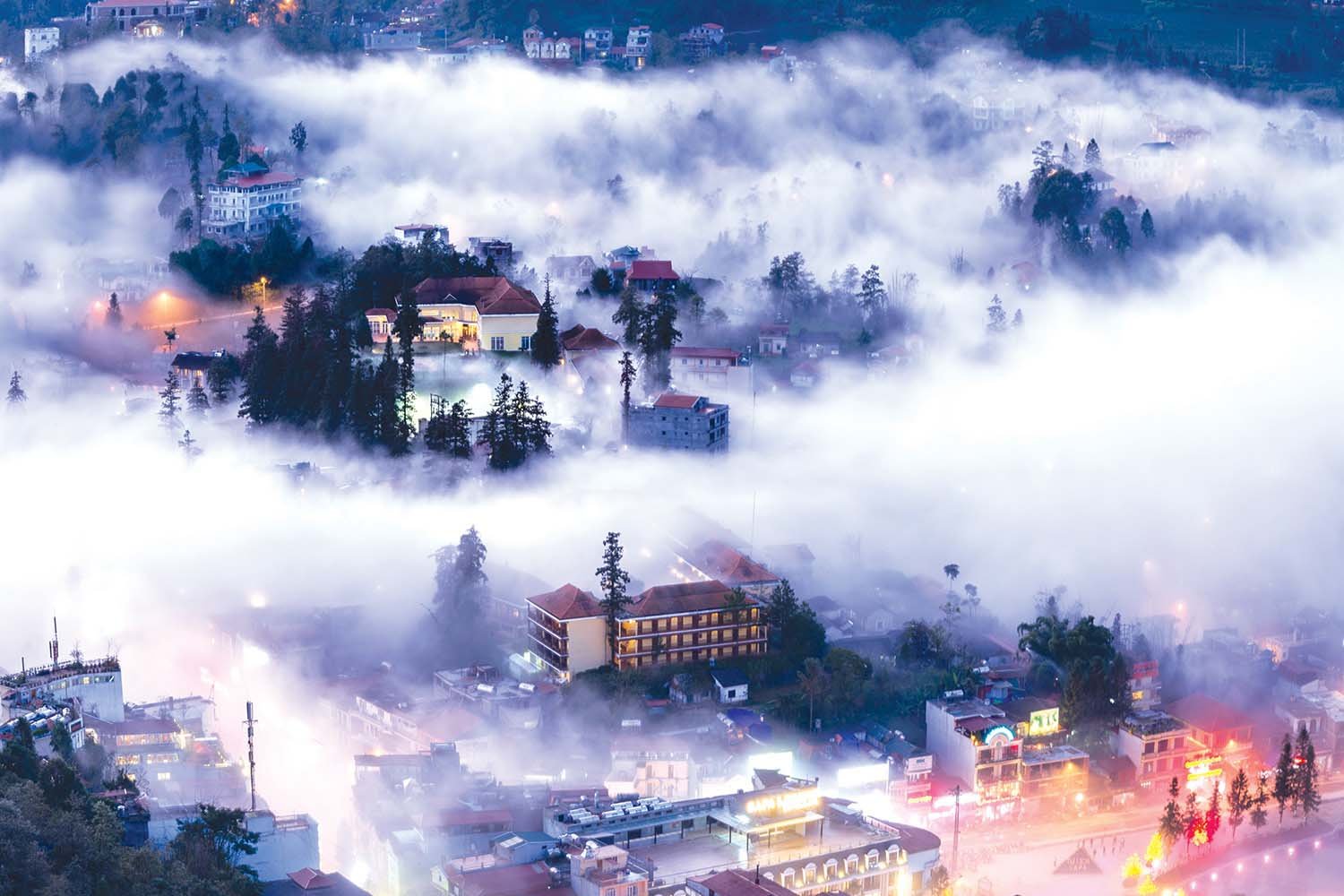
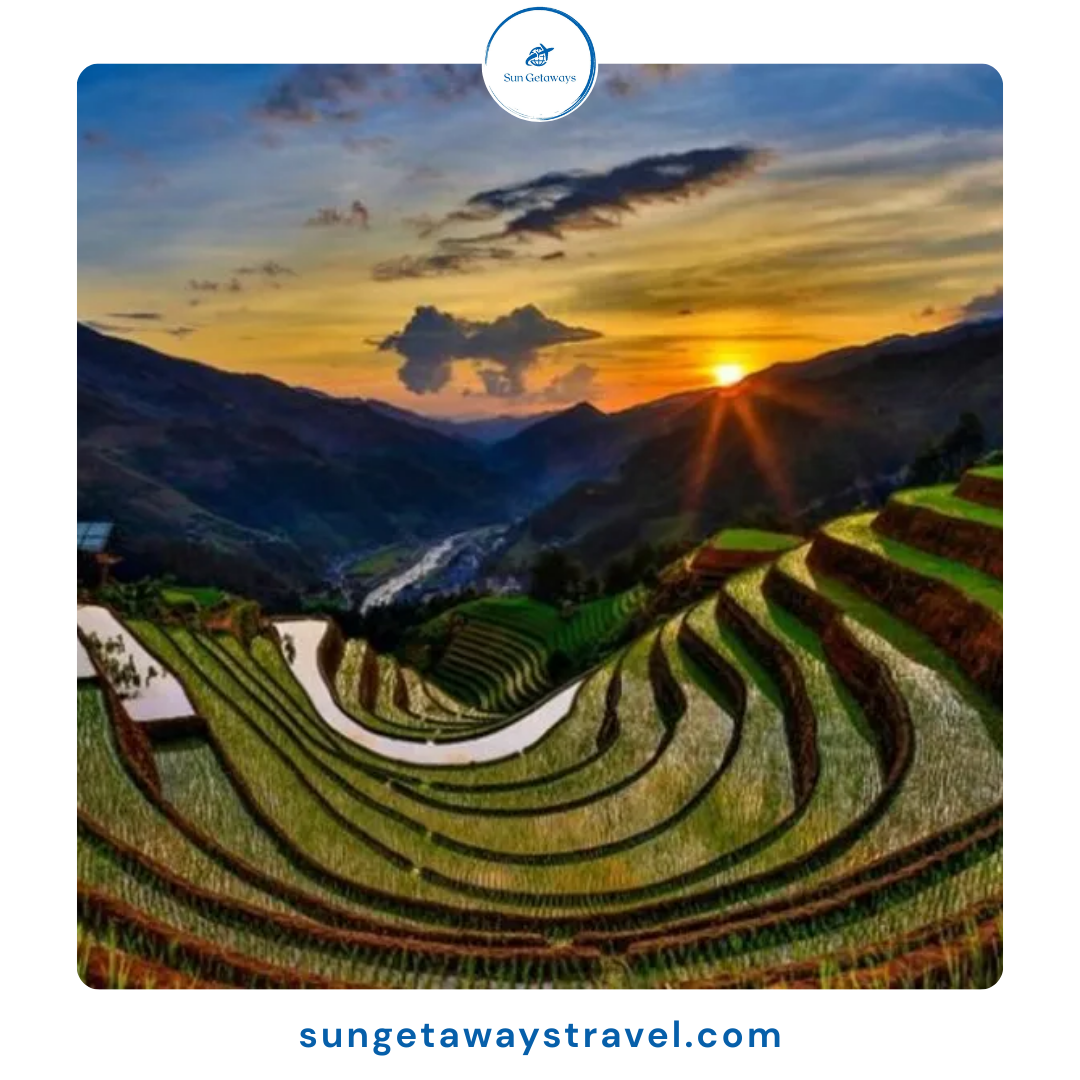
Muong Hoa Valley remains one of the most recognizable trekking areas in northern Vietnam, but navigating it well requires thoughtful timing and route selection. Stretching south of Sapa town, the valley connects a network of villages such as Lao Chai and Ta Van through narrow footpaths and rice terraces.
Many travelers who start walking directly from Sapa encounter crowds and paved sections, which can diminish the experience. Those who approach the valley through village-based routes or Sapa trekking multi-day trips quickly understand why it remains such an iconic part of the region.
- 📍 Location: Sapa, Lao Cai Province
- 🥾 Terrain: Terraced rice fields, village paths, gentle river crossings
- 🏡 Where to stay: Homestays in Lao Chai or Ta Van
- 💡 Pro tip: Begin trekking early in the morning or start directly from villages to avoid busy paths. To better visualize the layout, you can consult a Ha Giang loop map if you plan to extend your trip further north.
2. Hoang Su Phi – ⭐⭐⭐⭐⭐
Hoang Su Phi appeals to travelers who value solitude and dramatic scenery over convenience. Reaching this area involves long road journeys through Ha Giang Province, which can be physically demanding after overnight buses or long transfers. Trails are less formal than in Sapa, and independent navigation can be difficult without local guides.
However, the reward is access to some of the most striking scenic valley landscapes in Vietnam, where terraced fields cling to steep mountains and villages feel deeply connected to seasonal rhythms.
- 📍 Location: Western Ha Giang Province
- 🥾 Terrain: Steep terraces, forest trails, mountain ridges
- 🏡 Where to stay: Ethnic minority homestays
- 💡 Pro tip: Check the Vietnam trekking seasons and visit shortly before or after harvest season for golden rice views.
3. Mai Chau Valley – ⭐⭐⭐⭐
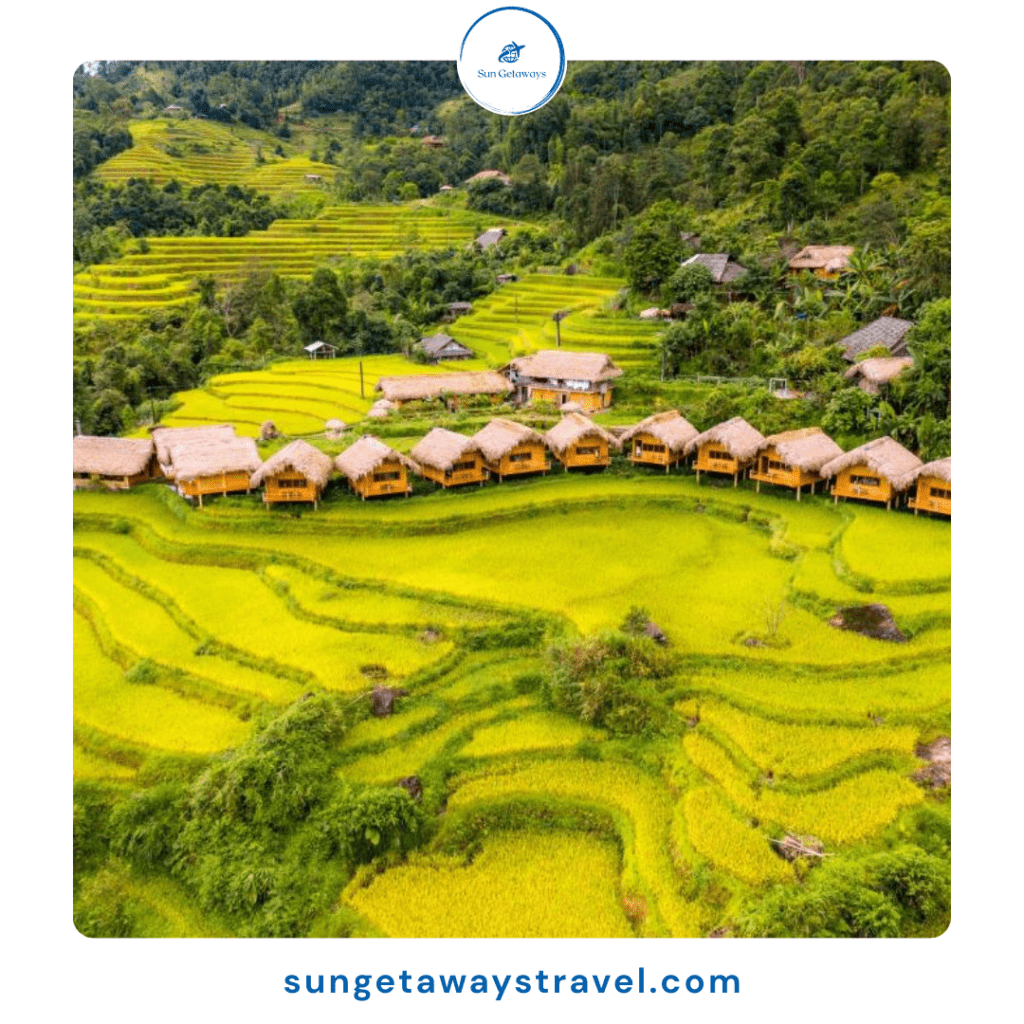
Mai Chau Valley is often chosen by travelers who want a gentle introduction to rural trekking without committing to long travel days. Located a few hours from Hanoi, it offers flat valley paths, farmland walks, and cycling routes between Thai ethnic villages.
While the scenery is less rugged than northern highland regions, Mai Chau still provides meaningful cultural immersion. For travelers looking for adventure travel in Vietnam, this region offers comfort, accessibility, and flexibility.
- 📍 Location: Hoa Binh Province
- 🥾 Terrain: Flat valley trails, agricultural paths
- 🏡 Where to stay: Traditional stilt houses
- 💡 Pro tip: Combine short treks with cycling for a varied pace
4. Bac Son Valley – ⭐⭐⭐⭐
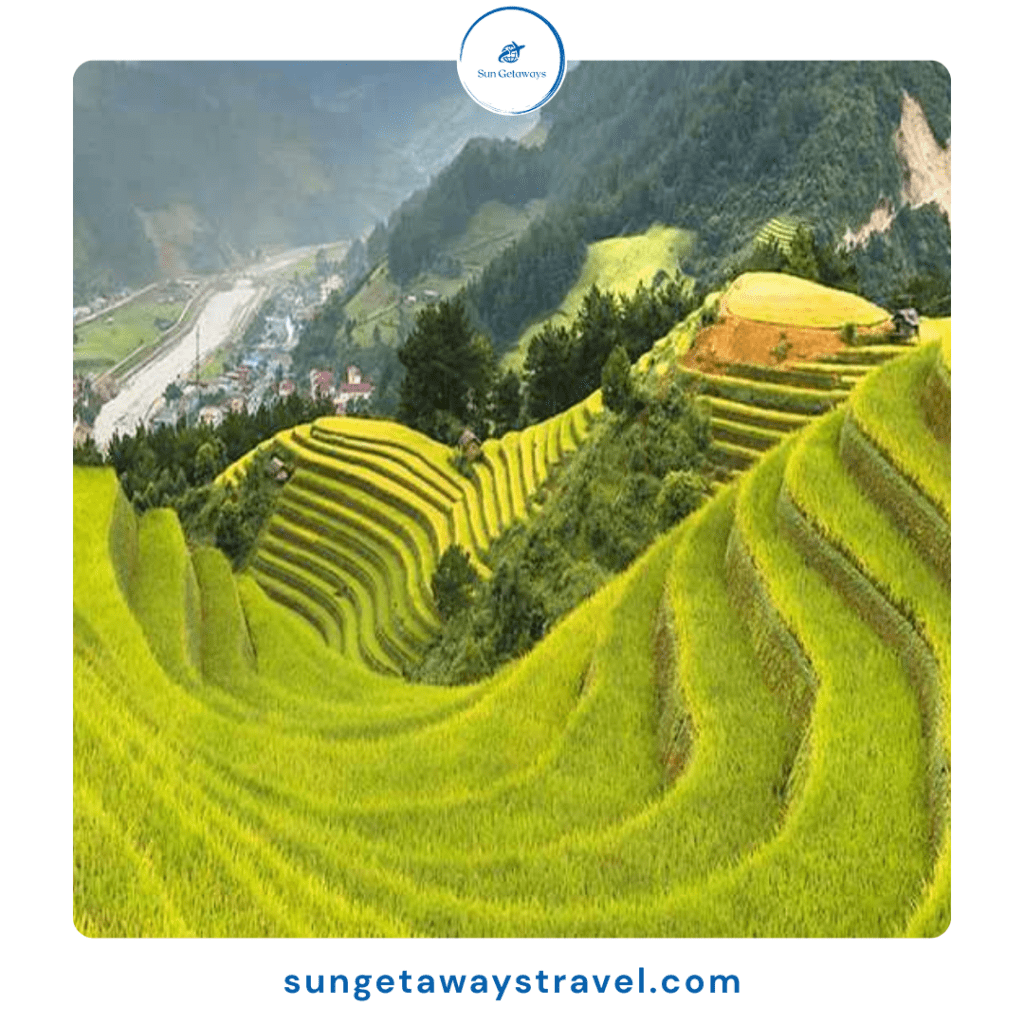
Bac Son Valley remains largely off the radar for international trekkers due to limited infrastructure and minimal promotion. Accommodation options are simple, and trekking routes are often informal village paths rather than marked trails. This can be challenging for travelers expecting signage and clear itineraries.
However, Bac Son rewards patient visitors with broad limestone valleys and layered rice fields that create some of the most photogenic views, rivaling the top 10 landscapes in Vietnam.
- 📍 Location: Lang Son Province
- 🥾 Terrain: Village paths, limestone foothills
- 🏡 Where to stay: Family-run guesthouses
- 💡 Pro tip: Visit during late summer when rice fields are at their most vibrant
5. Tu Le Valley – ⭐⭐⭐⭐
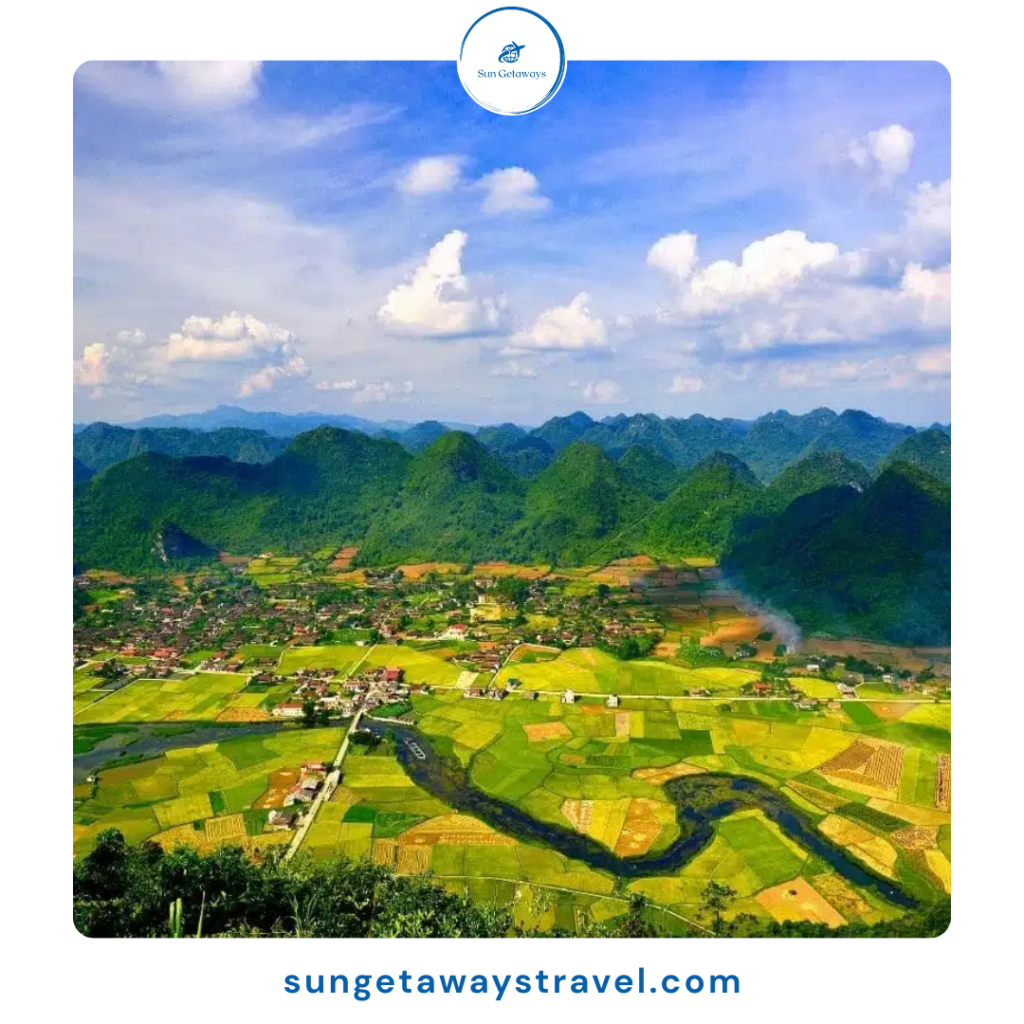
Tu Le Valley is often passed through rather than explored, as many travelers focus on Sapa or Ha Giang. Situated between mountain passes in Vietnam, it offers quieter trekking routes that follow irrigation canals, hillside farms, and remote hamlets.
Trails here are less crowded and more immersive, making them suitable for travelers who prefer slow exploration. Tu Le provides a different perspective on the valleys in Vietnam, emphasizing daily rural life rather than iconic viewpoints.
- 📍 Location: Yen Bai Province
- 🥾 Terrain: Hillside trails, farming routes
- 🏡 Where to stay: Small local lodges or homestays
- 💡 Pro tip: Combine trekking with nearby hot springs for recovery days
Comparison Of Vietnam’s Top Trekking Valleys
Choosing the right trekking destination in Vietnam depends on trail difficulty, crowd levels, and how much cultural interaction a traveler wants. Many visitors underestimate the differences between valleys, which often leads to rushed Vietnam itineraries.
| Valley | Difficulty | Crowd Level | Best For |
|---|---|---|---|
| Muong Hoa | Medium | High | First-time trekkers |
| Hoang Su Phi | Hard | Low | Experienced hikers |
| Mai Chau | Easy | Medium | Short rural escapes |
| Bac Son | Medium | Low | Photography-focused trekking |
| Tu Le | Medium | Low | Quiet cultural immersion |
This comparison helps travelers decide quickly based on fitness level, time availability, and desired atmosphere rather than reputation alone.
Tips For Visitors Trekking Vietnam’s Valleys
Trekking in rural Vietnam requires more than basic fitness. Weather shifts quickly, and accommodation standards vary. Preparing properly ensures you can enjoy the journey safely. For more general advice, see this Vietnam trekking adventure travel guide.
- 🧭 Local guides: In less-marked regions, guides do more than show the way—they help interpret terrain, adjust routes based on weather, and facilitate communication with local families.
- 🌧 Weather awareness: Mountain weather shifts quickly, and heavy rain can turn paths slippery or impassable, so timing treks outside peak monsoon months greatly improves safety and visibility.
- 🎒 Packing smart: Lightweight clothing, quick-dry layers, and basic rain protection are far more useful than heavy hiking gear, especially when walking village-to-village.
- 🤝 Cultural etiquette: Trekking routes often pass directly through villages, so asking before entering homes, fields, or photographing people helps maintain trust and mutual respect.
Common Mistakes Travelers Make When Trekking
Many travelers approach trekking with assumptions shaped by other destinations, which can lead to rushed schedules or disappointment. Recognizing common mistakes helps visitors experience the valleys in Vietnam more realistically.
- ❌ Choosing destinations based only on photos
- ❌ Ignoring seasonal weather patterns
- ❌ Overestimating daily walking distances
- ❌ Skipping local advice in remote areas
Planning A Trekking Journey Through Vietnam
Planning a trekking journey through the mountain road routes in Vietnam can be complex, as remote valleys are often separated by challenging terrain and long transfer times. Independent trekkers frequently struggle with logistics, from mistiming arrivals at trailheads to navigating the steep passes in Vietnam without local coordination.
By choosing well-designed itineraries that align walking distances with realistic travel flow, you can avoid physical fatigue and logistical delays. This professional approach ensures you experience the most rewarding scenic valley landscapes in Vietnam without the stress of recalculating routes on the road.
- 🥾 Route sequencing: Multi-day trekking routes are planned to flow naturally between villages, avoiding unnecessary backtracking or overly long walking days.
- 🚐 Transport coordination: Private transfers are timed to match trekking schedules, reducing early starts and late arrivals in remote areas.
- 🏡 Homestay selection: Accommodation is chosen for location and cultural value, not just availability.
- 🌦 Seasonal flexibility: Itineraries are adjusted based on rainfall, harvest cycles, and trail conditions.

👉 Northern programs such as the Ha Giang Authentic Trekking itinerary are designed for travelers who want dramatic mountain valleys without the stress of self-navigation, combining guided walks with carefully spaced rest days.
👉 For those drawn to terraced landscapes and deeper cultural immersion, Hoang Su Phi Trekking journeys focus on quieter routes and remote villages, offering access to some of the most impressive scenic valley landscapes in Vietnam while maintaining a sustainable pace.
For travelers with limited time or first-time trekkers in Vietnam, curated trekking tours provide structure without sacrificing authenticity. By removing uncertainty around transport, accommodation, and route safety, these programs allow visitors to focus fully on walking, scenery, and meaningful interaction with local communities.
FAQs About Trekking Valleys In Vietnam
1. When is the best time to trek?
Spring and autumn offer the most stable weather and comfortable temperatures.
2. Are trekking routes safe?
Yes, when guided or planned carefully, especially outside monsoon season.
3. Can beginners trek comfortably?
Valleys like Mai Chau are suitable for beginners.
4. Do I need permits?
Some border areas may require permits arranged locally.
5. What accommodation should I expect?
Most treks use simple but welcoming homestays.
“Many travelers underestimate how different Vietnam’s valleys are from one region to another. From my experience planning treks, the biggest mistake is choosing routes based only on photos. Weather patterns, village access, and daily elevation gain matter far more than scenery when it comes to enjoying multi-day treks.”
— Emma, Senior Vietnam Tour Consultant & Operations Specialist (12 Years Experience)
Conclusion: Trek Vietnam At A Natural Pace
Trekking reveals a side of the country that cannot be accessed by road or viewpoint. Walking through the valleys in Vietnam allows travelers to connect with landscapes and communities at a human pace, guided by seasons rather than schedules. With thoughtful planning and realistic expectations, trekking becomes a deeply rewarding way to experience the country.
For travelers who prefer guidance, you can connect with local specialists through direct WhatsApp travel support or explore a tailor-made trekking journey in Vietnam designed around your pace, interests, and comfort.


Related Tour

15-Day Vietnam Food Tour: A Culinary Adventure


19 Reviews
7 Day Adventure Trekking Bac Ha Ban Phung Hoang Su Phi
10 Reviews
Best Cultural & Heritage Vietnam 12 Days
35 Reviews

6-Days Ho Chi Minh Floating Market Tour
10 Reviews
Hoi An Sunrise Fish Market Tour
0 Reviews

18 Days Vietnam Family Holiday Tour
0 Reviews
Ask a question
Leave a Comment (0)
No questions yet. Be the first to ask a question!
See related Posted
Luxury Golf Resorts in Vietnam – Elite Golf Travelers

Vietnam is increasingly recognized as a premier golf destination in Asia, therefore luxury golf…
Macrame in Vietnam: The Revival of Knot Art in Contemporary Craft Culture

Macrame in Vietnam reflects the country’s growing engagement with contemporary handmade culture, where global…
Vietnamese Musical Instrument Craft: Traditional Instrument Making in Vietnam

Vietnamese musical instrument craft reflects a long-standing relationship between sound, material, and cultural memory.…
Traditional Vietnamese Kite Art: History, Craftsmanship, and Cultural Meaning

Traditional Vietnamese kite art is a living expression of folk creativity, community values, and…
Vietnamese Folk Masks: Tradition, Symbolism & Cultural Meaning

Vietnamese folk masks are a distinctive form of traditional art that reflects the spiritual…
Vietnamese Embroidery Art: Traditional Craftsmanship & Cultural Meaning

Vietnamese embroidery art is a refined traditional craft that reflects patience, cultural memory, and…