




Can You Go Skydiving in Vietnam? Everything You Need to Know for 2026
 Dan Vy
  3 min. to read
 Many adventure travelers planning Southeast Asia trips ask the same question: can you really experience skydiving in Vietnam? Interest in skydiving in Vietnam has surged thanks to social media and viral travel content, yet reliable, updated information remains surprisingly scarce. As of 2026, the reality is more complex than a simple yes or no. This guide breaks down the legal status, real availability, costs, safety concerns, and the best alternatives – so you can plan your adventure with clarity, not hype.
Key Takeaways
- Skydiving in Vietnam is legal but not commercially available for tourists due to strict regulations.
- Tourists cannot easily book skydiving; participation usually requires special approvals and prior aviation credentials.
- The costs of skydiving in Vietnam are high, ranging from USD 800 to 1,500 per jump, making it less accessible than in other countries.
- Paragliding serves as a viable alternative, offering thrilling air experiences without the legal hurdles of skydiving.
- Travelers should not plan a trip to Vietnam solely for skydiving; instead, consider other adrenaline-pumping activities available in the region.
Is Skydiving in Vietnam Actually Possible in 2026?
Technically speaking, skydiving in Vietnam is legal, but it is not commercially accessible in the way most travelers expect. Unlike countries with established civilian drop zones, Vietnam maintains strict control over its airspace due to military and aviation regulations.
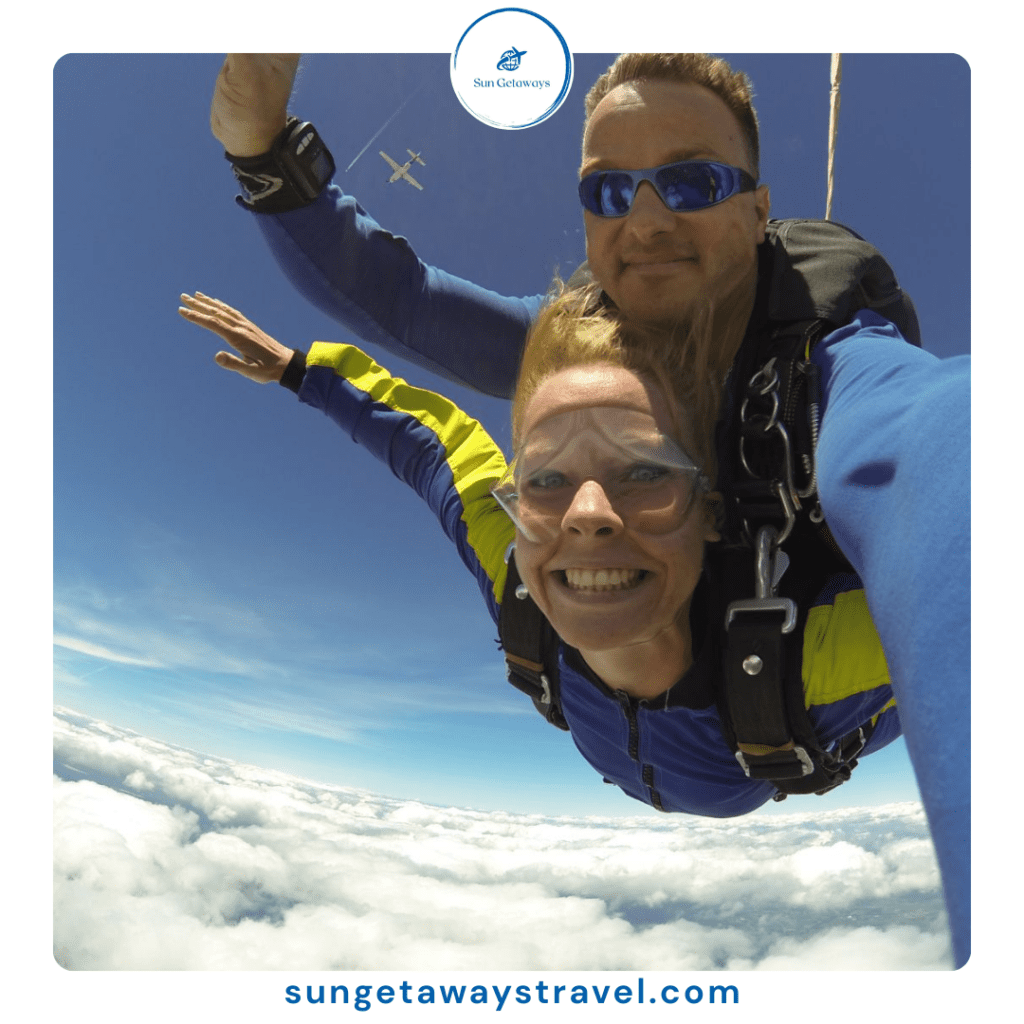
All parachuting activities require approval from multiple authorities, including civil aviation bodies and military airspace controllers. As a result, skydiving exists mainly within:
- Military or aviation club training programs
- Invitation-only air sports events
- Special demonstrations or promotional activities
For regular tourists, this means you cannot simply book a skydive online, arrive at a drop zone, and jump the same day. The infrastructure and legal framework needed for mass-market skydiving tourism are still underdeveloped.
Why Skydiving in Vietnam Is So Heavily Restricted
To understand why skydiving in Vietnam is limited, it helps to look beyond tourism.
Vietnam’s airspace management prioritizes:
- National security
- Commercial flight safety
- Centralized air traffic control
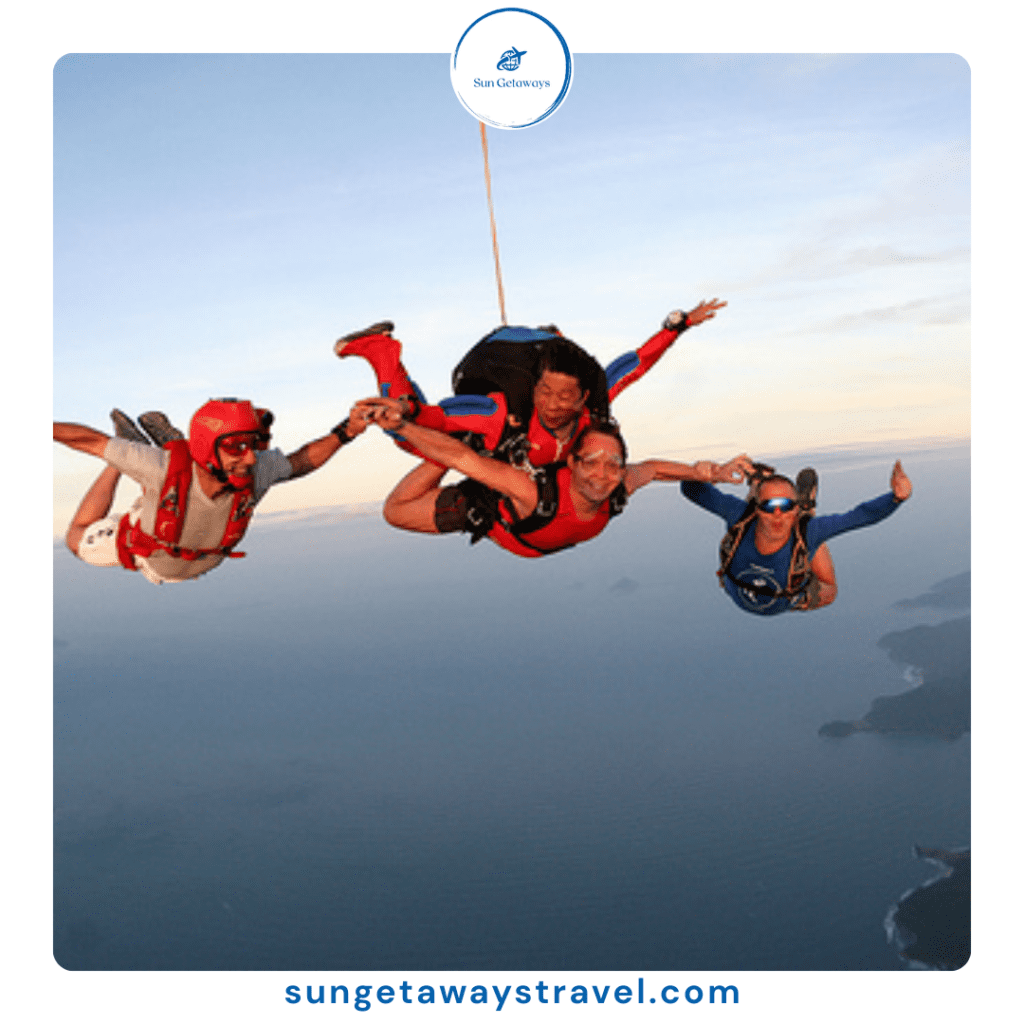
Skydiving requires temporary airspace clearance, certified aircraft, trained pilots, emergency response systems, and insurance coverage. In Vietnam, coordinating all these elements for civilian use is complex and expensive. This is why tandem skydiving Vietnam has not yet become a standardized tourism product.
Additionally, Vietnam’s adventure tourism focus has historically leaned toward land- and water-based activities—such as trekking, canyoning, diving, and motorbiking—rather than aviation sports.
Dare to make the leap? Read our guide to the most incredible Cliff Jumping locations in Vietnam.
Are There Any Places Where Skydiving Happens in Vietnam?
Yes—but they are not open commercial drop zones.
Skydiving activity occasionally takes place near:
- Hanoi outskirts (aviation clubs or military airfields)
- Ho Chi Minh City outskirts
- Central Vietnam regions during aviation festivals

These jumps are usually performed by:
- Licensed Vietnamese parachutists
- Military or semi-professional skydivers
- International teams invited for special events
Tourists may witness these jumps, but participation is extremely limited and typically requires prior aviation credentials or official invitations.
Can Tourists Do Tandem Skydiving in Vietnam?
This is the most searched—and most misunderstood—topic.
As of 2026, tandem skydiving Vietnam is not consistently available for tourists. There have been rare pilot programs or short-lived trial experiences in the past, but none have developed into permanent, bookable operations.
In theory, tandem jumps could be arranged under special circumstances, but in practice:
- Approval processes take months
- Participant numbers are extremely limited
- Costs are very high
- Availability is unpredictable
For most travelers, Vietnam should not be considered a reliable destination if tandem skydiving is a must-have experience.
How Much Does Skydiving in Vietnam Cost (If You Find It)?
When rare opportunities for skydiving in Vietnam do arise, pricing reflects the regulatory complexity.
Estimated costs based on previous programs and aviation club data:
- USD 800–1,500 per jump
- Includes aircraft rental, permits, instructor fees, and insurance
- Video and photo packages may add another USD 100–300
Compared to Thailand or Australia, where tandem skydiving costs USD 250–400, Vietnam is significantly more expensive—and far less predictable. The cost of activities Vietnam guide can help you budget for other regulated adventures. Ready for the ultimate drop? See where you can go Bungee Jumping in Vietnam.
Safety Standards and Insurance Concerns
Safety is another major reason Vietnam has not embraced large-scale skydiving tourism.
Without permanent civilian drop zones, it is difficult to maintain:
- Consistent instructor availability
- Standardized emergency protocols
- Transparent insurance coverage for foreign tourists
Most travel insurance policies do not automatically cover skydiving unless purchased as an add-on. In Vietnam’s case, verifying insurance validity for such activities can be unclear, especially when jumps are arranged outside standard tourism frameworks.
Expert Insight: Emma, a senior travel consultant with 12 years of experience in Vietnam tour consulting and operations, offers a grounded perspective:
“From an industry standpoint, skydiving in Vietnam is still more of an aviation activity than a tourism product. Travelers often ask about tandem skydiving, but I usually advise them not to build their itinerary around it. Vietnam offers incredible adventure experiences—but skydiving is not yet one of its strengths.”
She adds that regulatory changes could happen in the long term, but travelers visiting between now and 2026 should plan with realistic expectations.
Best Alternatives to Skydiving in Vietnam (That Deliver Similar Thrills)
Although tandem skydiving Vietnam is limited, Vietnam excels at other adrenaline-driven experiences that are safer, regulated, and easier to book.
Paragliding: The Closest Free-Fall Feeling
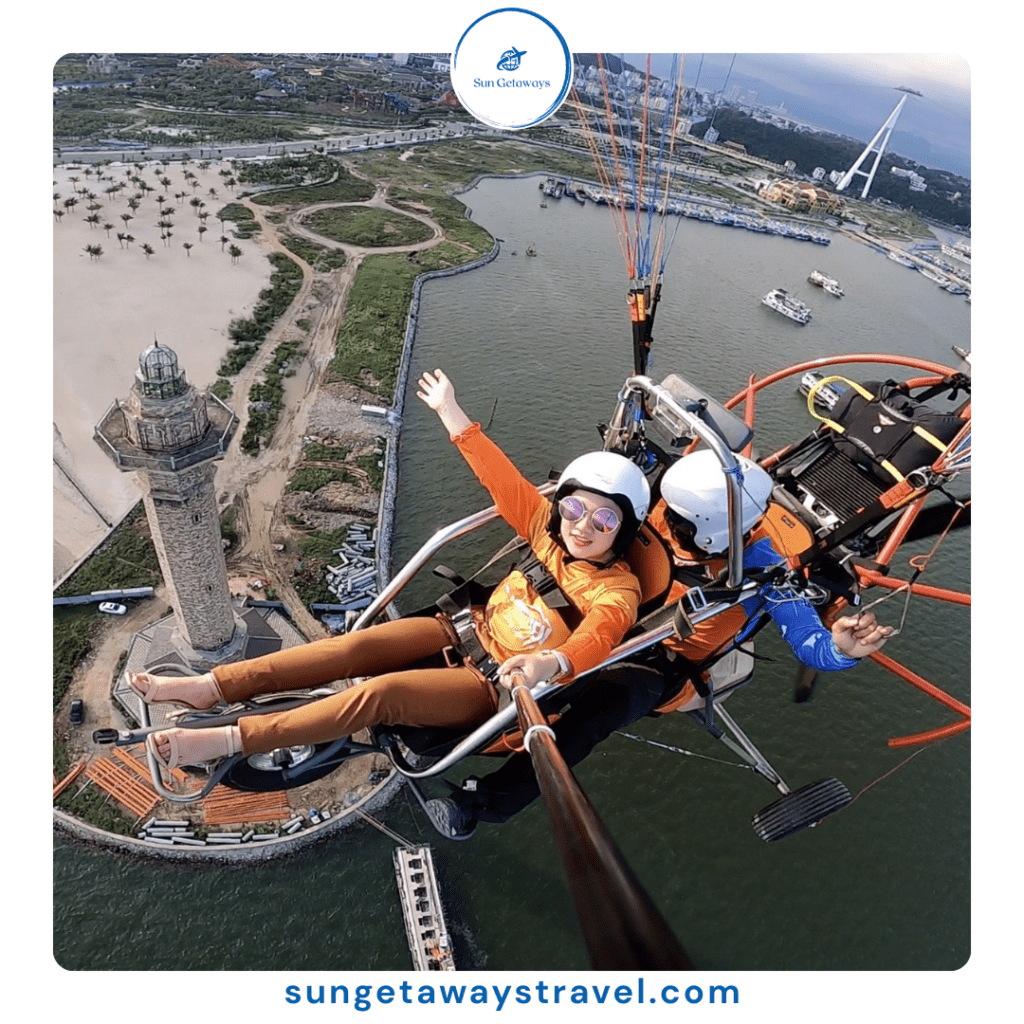
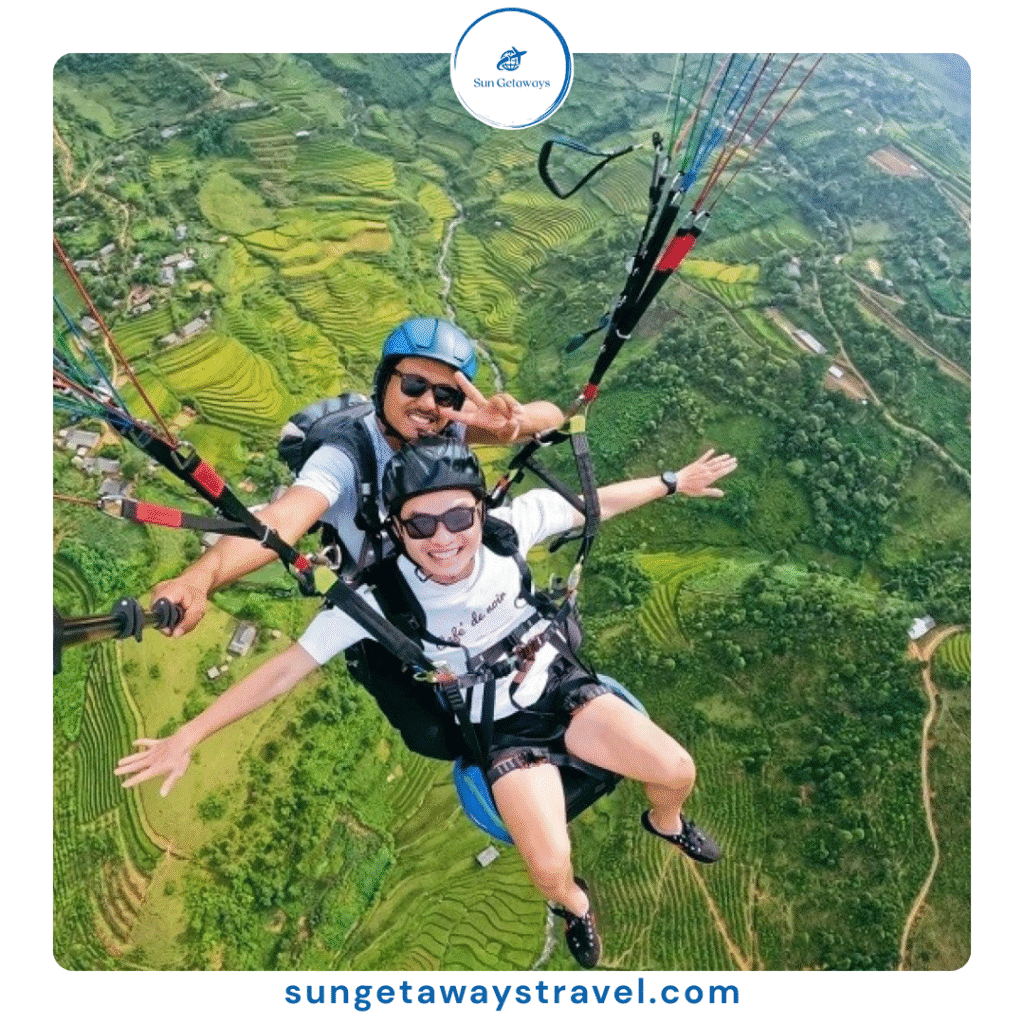
Paragliding is currently the most accessible air-based adventure in Vietnam. Tandem flights are operated by licensed pilots and offer sweeping views over mountains, coastlines, and rice terraces.
Popular locations include:
- Mu Cang Chai (North Vietnam)
- Khau Pha Pass
- Da Nang’s Son Tra Peninsula
While not a vertical free-fall, paragliding still delivers the sensation of flying—without the legal barriers of skydiving.
Canyoning in Da Lat
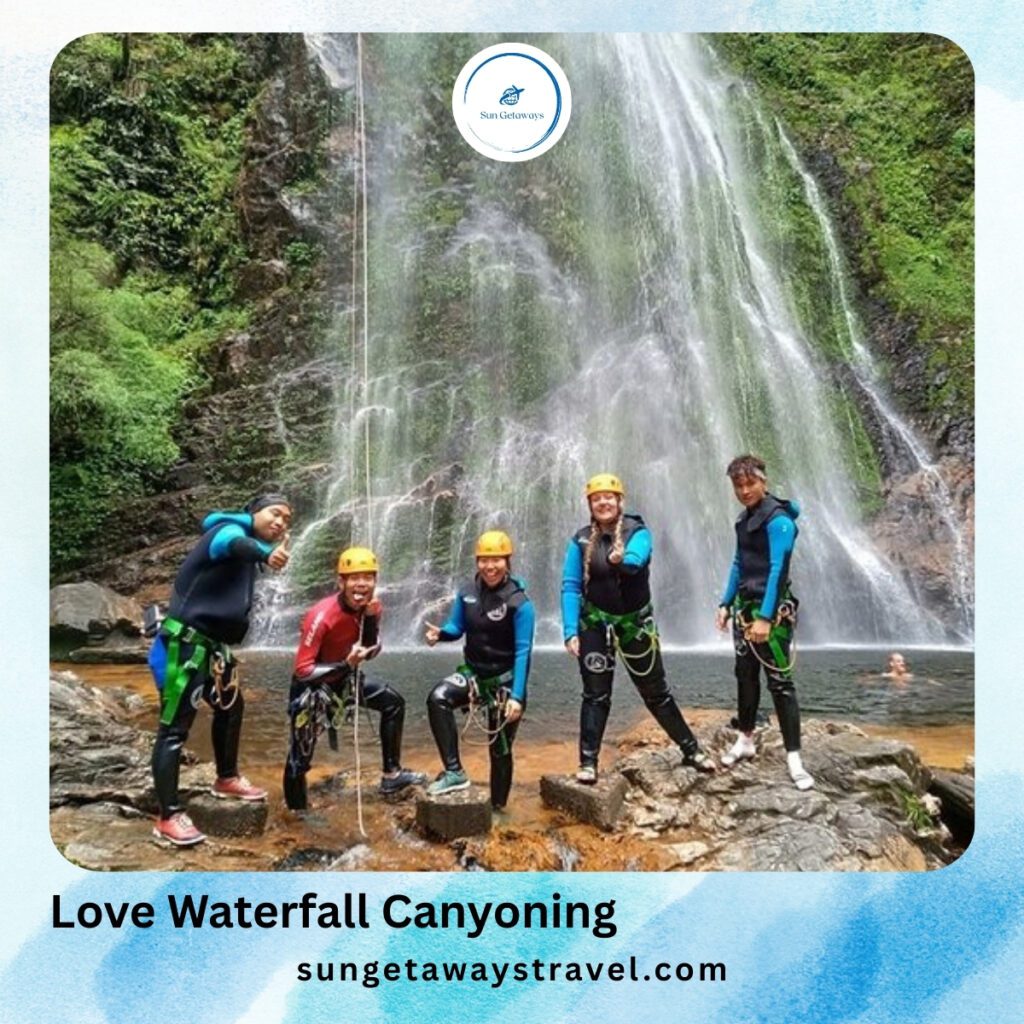
Da Lat canyoning is one of Vietnam’s most intense extreme sports activities:
- Waterfall rappelling up to 25 meters
- Natural rock slides
- Cliff jumps into deep pools
It is fully regulated, safety-focused, and suitable for beginners with proper guidance.
Motorbike Adventures and Extreme Routes
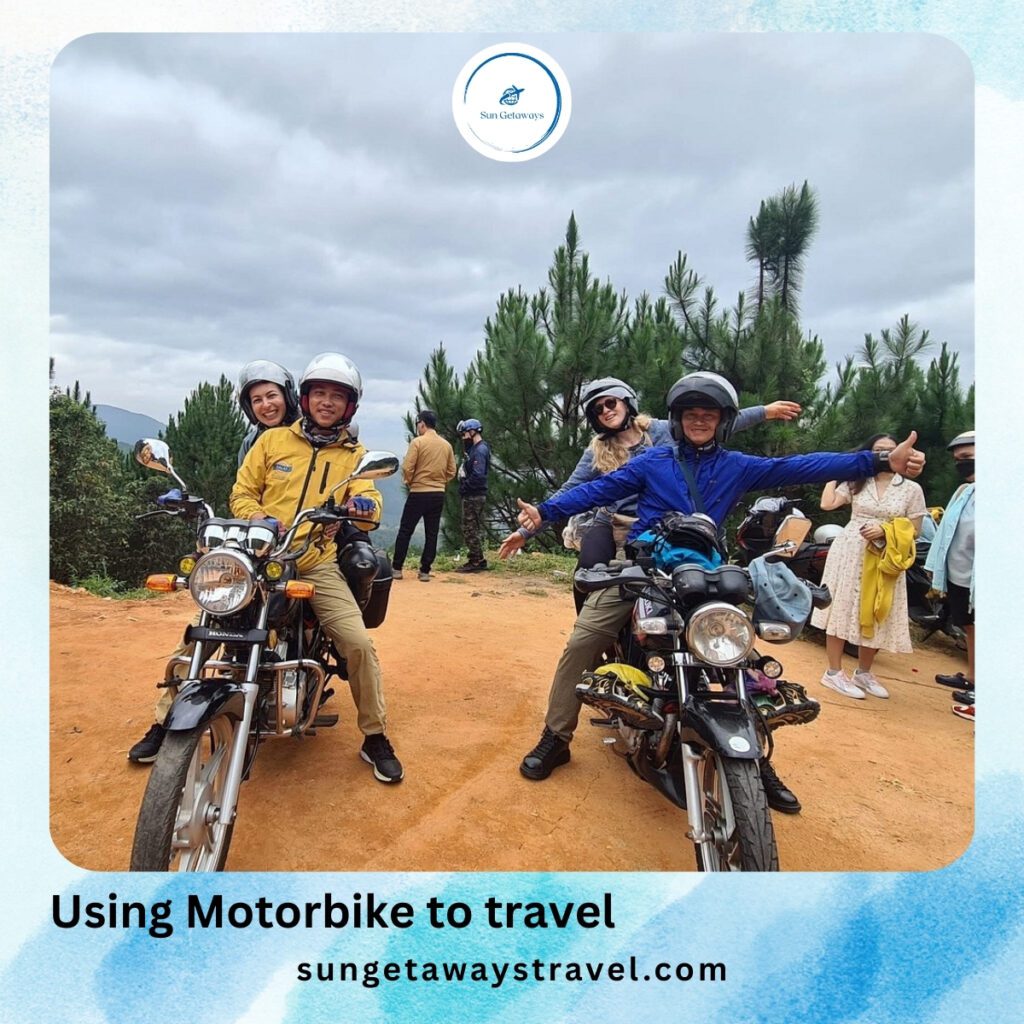
For many travelers, riding routes like the Ha Giang Loop provides adrenaline comparable to skydiving:
- Sharp mountain curves
- Dramatic elevation changes
- Constant exposure to vast landscapes
It’s not air-based, but the emotional intensity is undeniable. Exploring Ha Giang Loop safety is crucial for this activity.
Should You Travel to Vietnam Specifically for Skydiving?
If your primary goal is skydiving, the honest answer is no.
Vietnam is not yet a destination where skydiving in Vietnam can be reliably planned. Countries such as Thailand, Australia, or New Zealand are far better suited for travelers seeking guaranteed tandem skydives.
However, if Vietnam is already on your itinerary, you can still build an adventure-focused trip that delivers excitement, challenge, and unforgettable scenery—just without jumping out of a plane.
How Sun Getaways Travel Supports Adventure Travelers
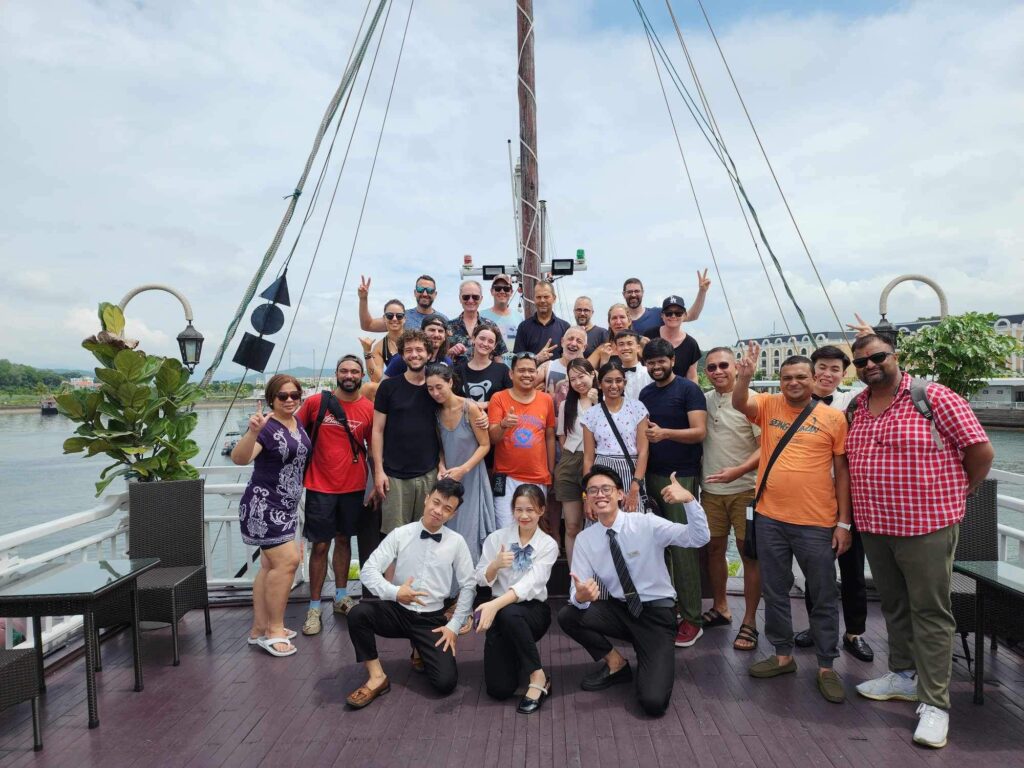
For travelers who originally search for tandem skydiving Vietnam but discover its limitations, Sun Getaways Travel helps redesign adventure itineraries that actually work.
They assist with:
- Booking licensed paragliding experiences
- Organizing canyoning and trekking tours
- Planning motorbike routes with safety support
- Matching adrenaline levels to traveler comfort
Instead of chasing unavailable activities, you can focus on experiences Vietnam truly excels at—without compromising excitement. They offer personalized advice, including tips on Ha Giang Loop itinerary and other adventure trips.
Will Skydiving in Vietnam Expand After 2026?
There is cautious optimism, but no guarantees.
Vietnam’s tourism sector is evolving, and adventure tourism is gaining attention. However, expanding skydiving in Vietnam would require:
- New civilian airspace policies
- Designated permanent drop zones
- Certified commercial operators
- Updated insurance frameworks
These changes take years, not seasons. Travelers should not expect sudden commercialization in the immediate future.
Final Verdict: Is Skydiving in Vietnam Worth Planning For?
In 2026, skydiving in Vietnam remains possible in theory but impractical in reality for most tourists. Tandem skydiving is not reliably available, costs are high, and regulations are strict.
That said, Vietnam offers world-class adventure alternatives that deliver adrenaline, challenge, and unforgettable memories—often with fewer risks and better value. If approached with the right expectations, your Vietnam adventure can still be extraordinary.
FAQs About Skydiving in Vietnam
1. Is skydiving in Vietnam legal?
Yes, but it is tightly regulated and not widely available for tourists.
2. Can beginners try tandem skydiving in Vietnam?
In most cases, no. Tandem skydiving Vietnam options are extremely limited.
3. How expensive is skydiving in Vietnam?
Prices range from USD 800 to 1,500 when available.
4. What is the closest alternative to skydiving in Vietnam?
Paragliding offers the most similar flying experience.
5. Will Vietnam have commercial skydiving soon?
Not likely in the near future due to regulatory complexity.


Related Tour

Ba Na Hills Full Day Tour


10 Reviews

10-Day Ha Giang Authentic Trekking
10 Reviews

Exploring Vietnam: 9 Days of Adventures
10 Reviews
Hanoi tour to explore Military History
0 Reviews

10-Day Serenity in Vietnam: Honeymoon Haven
10 Reviews
Hoi An Discovery Tour: Unveiling the Charms in 5 Days
25 Reviews
Ask a question
Leave a Comment (0)
No questions yet. Be the first to ask a question!
See related Posted
Luxury Golf Resorts in Vietnam – Elite Golf Travelers

Vietnam is increasingly recognized as a premier golf destination in Asia, therefore luxury golf…
Macrame in Vietnam: The Revival of Knot Art in Contemporary Craft Culture

Macrame in Vietnam reflects the country’s growing engagement with contemporary handmade culture, where global…
Vietnamese Musical Instrument Craft: Traditional Instrument Making in Vietnam

Vietnamese musical instrument craft reflects a long-standing relationship between sound, material, and cultural memory.…
Traditional Vietnamese Kite Art: History, Craftsmanship, and Cultural Meaning

Traditional Vietnamese kite art is a living expression of folk creativity, community values, and…
Vietnamese Folk Masks: Tradition, Symbolism & Cultural Meaning

Vietnamese folk masks are a distinctive form of traditional art that reflects the spiritual…
Vietnamese Embroidery Art: Traditional Craftsmanship & Cultural Meaning

Vietnamese embroidery art is a refined traditional craft that reflects patience, cultural memory, and…