





A Foodie’s Guide to Mooncakes in Vietnam: Top Flavors & Where to Buy
 Dan Vy
  3 min. to read
 Mooncakes in Vietnam are more than just desserts—they’re edible symbols of family reunion, prosperity, and cultural pride. Every year, as the Mid-Autumn Festival (Tết Trung Thu) approaches, Vietnamese streets glow with lanterns and bakery windows fill with dazzling displays of golden-brown pastries. Whether you’re a traveler looking to taste authentic Vietnam or a curious foodie chasing traditional flavors, this guide will take you through everything you need to know about mooncakes in Vietnam—from their origins to the best places to buy them.
1. The Cultural Meaning Behind Mooncakes in Vietnam
ThThe Mid-Autumn Festival, celebrated on the 15th day of the 8th lunar month, is one of Vietnam’s most beloved holidays. Families gather under the full moon to share tea, light colorful lanterns, and, most importantly, enjoy mooncakes in Vietnam.
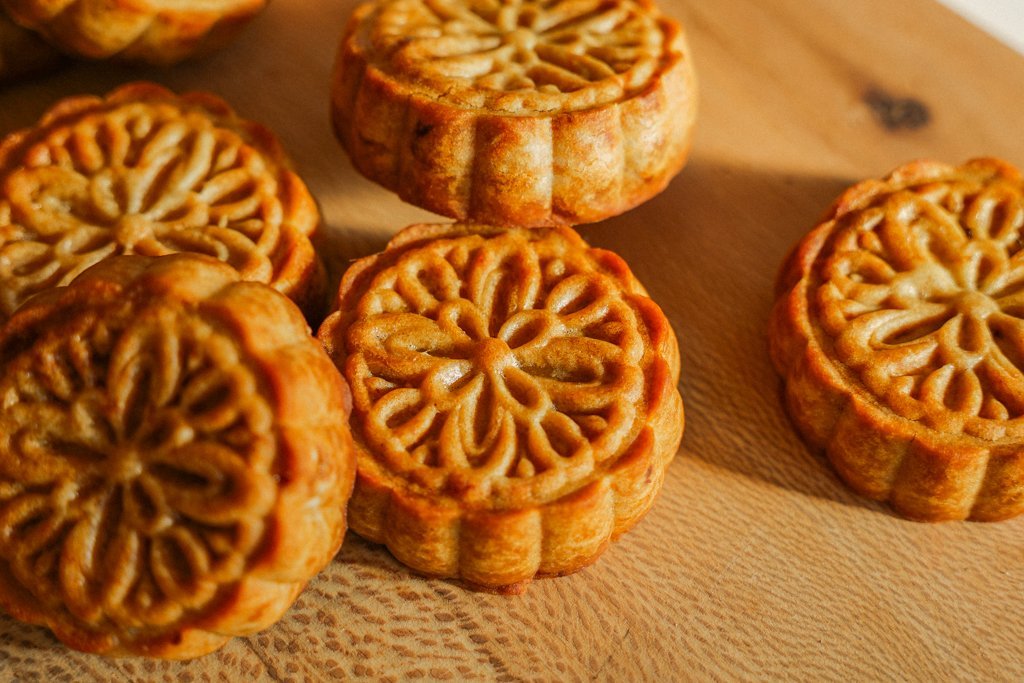
While the tradition originated in China, Vietnamese mooncakes (bánh trung thu) have evolved into their own unique form, infused with local flavors and storytelling. Each bite represents reunion and gratitude—a gesture of love shared between families, friends, and business partners.
In Vietnam, giving mooncakes isn’t just a formality; it’s an art. Beautifully packaged boxes are exchanged as gifts, often carrying wishes of prosperity and happiness. For travelers, trying mooncakes during this time offers a delicious window into Vietnamese culture and its deep sense of togetherness.
2. Types of Traditional Mooncakes in Vietnam
There are two main types of traditional mooncakes in Vietnam: baked mooncakes (bánh nướng) and sticky rice mooncakes (bánh dẻo).
a. Bánh Nướng (Baked Mooncakes)
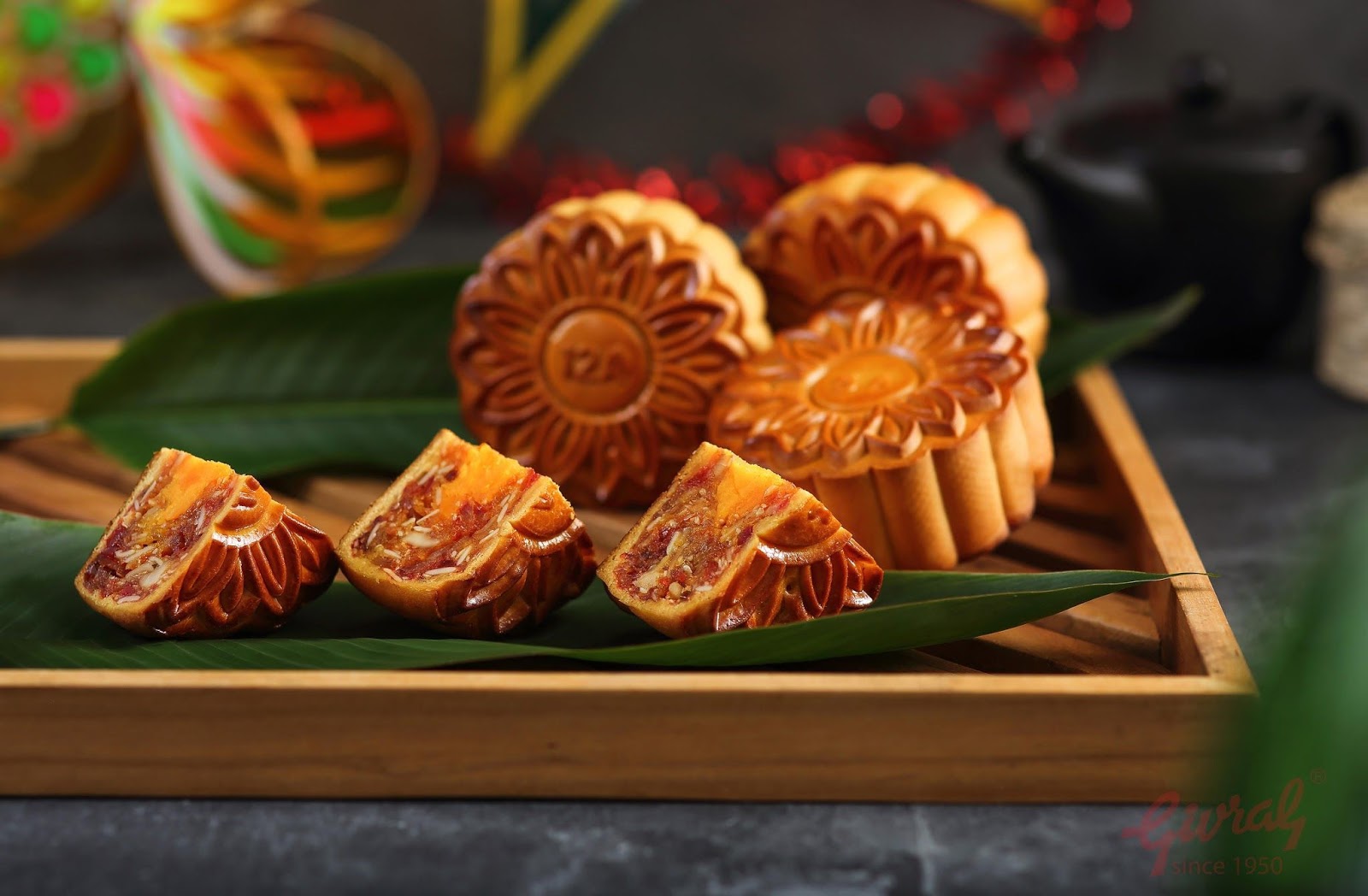
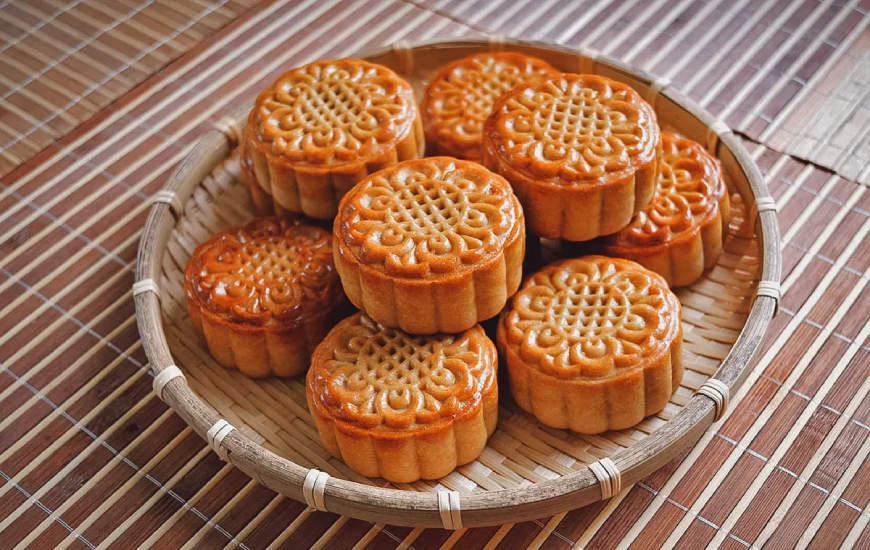
These are perhaps the most iconic form. Wrapped in golden-brown baked crusts made of wheat flour, syrup, and oil, they have a slightly crispy exterior and rich fillings that vary from sweet to savory. Common fillings include:
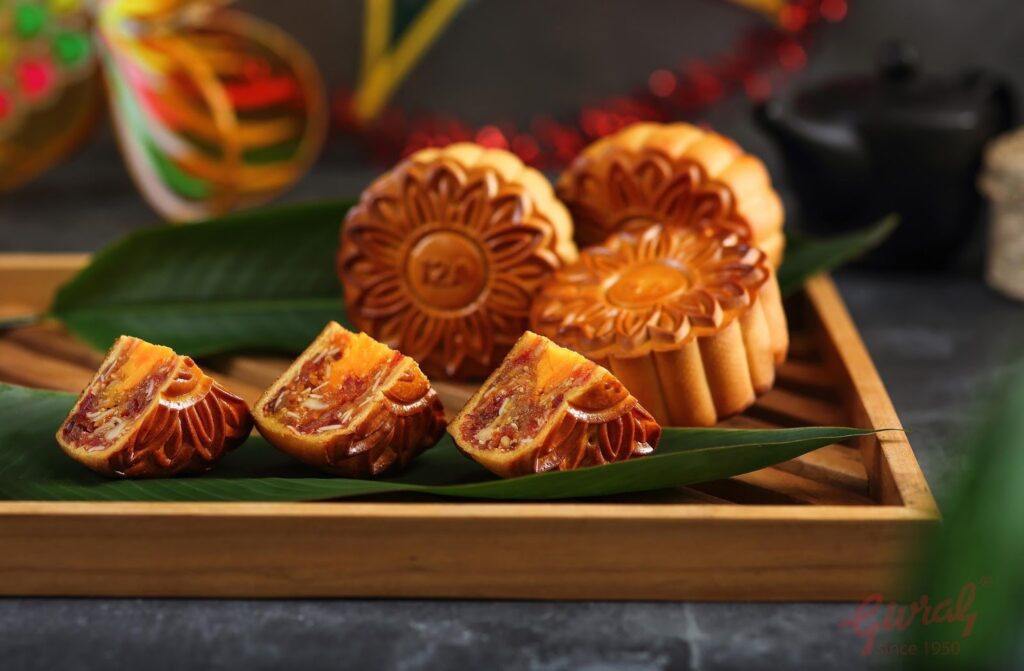
- Mixed nuts and seeds (thập cẩm) – a medley of roasted melon seeds, lotus seeds, candied citrus peel, and sometimes Chinese sausage or salted egg yolk.
- Mung bean paste (đậu xanh) – creamy, mildly sweet, and comforting.
- Lotus seed paste (hạt sen) – elegant and fragrant, often considered the most traditional.
- Black sesame or taro – modern variations with deep, nutty notes.
Each baked mooncake is brushed with egg yolk before baking, giving it a shiny, golden hue—a symbol of the harvest moon itself.
b. Bánh Dẻo (Sticky Rice Mooncakes)
Bánh dẻo, on the other hand, is chewy and soft. Made from glutinous rice flour and often filled with sweet bean or lotus paste, it has a delicate, powdery texture. The translucent white skin, sometimes embossed with intricate floral patterns, makes it as beautiful as it is delicious.
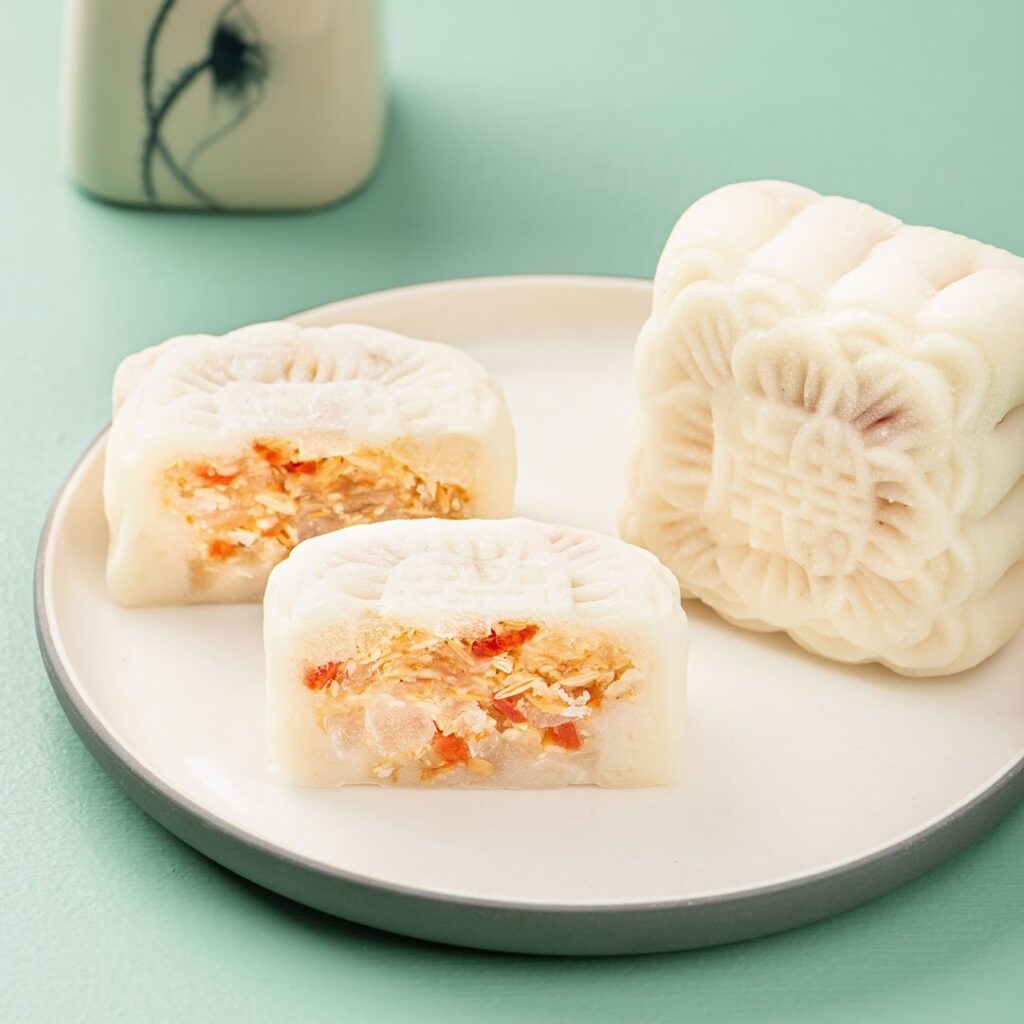
These mooncakes are not baked but pressed into molds—making them lighter, more fragrant, and ideal for those who prefer less sweetness.
3. The Rise of Modern Mooncakes in Vietnam
While traditional mooncakes hold a special place in every Vietnamese heart, modern adaptations have gained huge popularity among the younger generation. Today’s mooncakes blend creativity and innovation, featuring flavors that surprise and delight even the most seasoned foodies.
a. Creative Fillings
You’ll now find mooncakes infused with:
- Matcha green tea
- Coffee or chocolate truffle
- Durian or coconut milk
- Tiramisu or salted caramel
- Cheese and macadamia nuts
These contemporary flavors not only cater to modern palates but also showcase Vietnam’s dynamic culinary scene, where East meets West in every bite.
b. Artistic Presentation
Many bakeries now design mooncakes like luxury gifts—boxes shaped like lotus flowers, lanterns, or miniature treasure chests. The packaging itself is often reusable, doubling as elegant keepsakes.
🌕 Want to combine food exploration with a cultural tour? We offers personalized trips where you can taste local specialties and learn their stories from artisans themselves.
4. Top Mooncake Brands and Where to Buy in Vietnam
When it comes to mooncakes in Vietnam, the choices are vast, ranging from mass-market heritage bakeries to luxury hotels and artisanal shops. Here’s where you can find the most popular and reputable options:
| Brand/Type | Focus | Key Feature & Flavor Tip | Where to Buy |
| 1. Kinh Đô | Market Leader & Tradition | The most famous brand. Their traditional mixed filling and mung bean flavors are timeless, and they offer a wide range of pricing. | Widely available in supermarkets (Co.opmart, Lotte Mart), convenience stores, and online platforms nationwide. |
| 2. Như Lan Bakery | Authentic Heritage | An HCMC institution since the 1960s, specializing in authentic traditional mooncakes Vietnam style. | Known for their nostalgic, thick crusts and rich fillings like salted egg, lotus, and taro. |
| 3. Maison Marou | Modern & Gourmet | Focuses on innovation using Vietnamese chocolate craftsmanship. | Must-Try: Their unique chocolate mooncakes, often using locally sourced Cacao (Hanoi & Saigon). |
| 4. Brodard Bakery | French-Vietnamese Elegance | Blends French pastry techniques with classic fillings. Their boxes are beautifully designed. | Known for flavors like red bean, green tea, and macadamia. Available at their main bakeries and limited-edition pop-ups. |
| 5. Hotel Mooncakes | Premium & Luxury Gifts | Top hotels (e.g., Sofitel Metropole, Park Hyatt, JW Marriott) launch exclusive collections. | These boxes feature sophisticated, often modern flavors (truffle, fine tea) and are valued for their exquisite, gift-worthy packaging. |
| 6. Local Artisan Shops | Authenticity & Regionality | Small-batch bakers focusing on traditional methods and regional ingredients. | Search Hanoi’s Old Quarter, Ben Thanh Market (Saigon), or specialized stalls for handmade fillings like pandan, coconut, or taro. |
5. How to Enjoy Mooncakes Like a Local
Vietnamese people rarely eat mooncakes alone—they’re meant to be shared. Traditionally, mooncakes are cut into wedges, served with hot green tea or lotus tea to balance the richness of the filling.
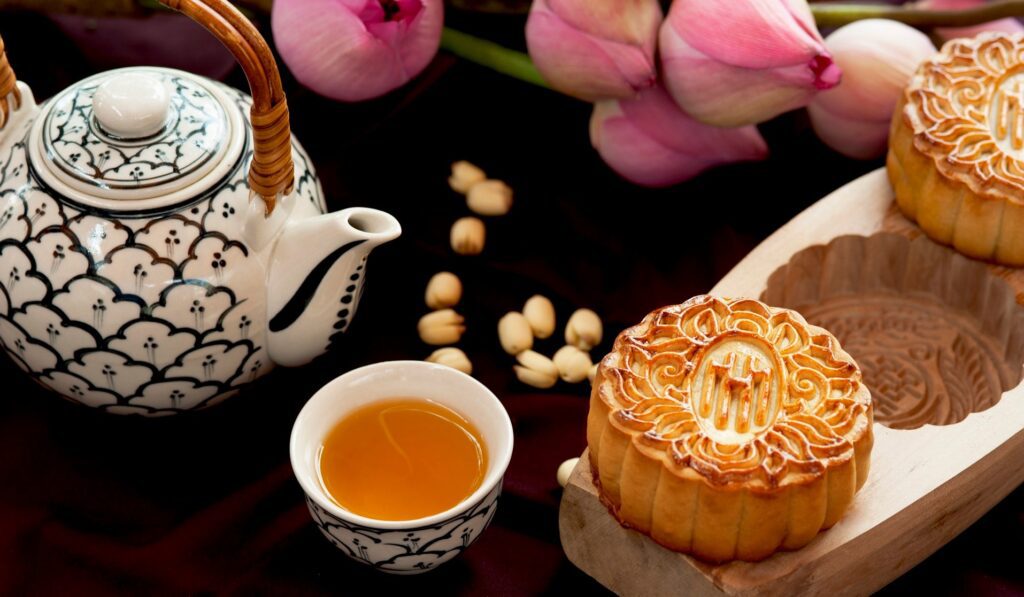
Pro Tips for Foodies:
- Slice thinly: The cake is dense, so small pieces let you enjoy each layer’s flavor.
- Pair with tea: Helps cleanse the palate and enhances subtle notes like lotus seed or egg yolk.
- Gift mindfully: Choose packaging that reflects respect and warmth, especially when visiting locals during the festival, adhering to Vietnamese gift-giving guide.
The act of sharing mooncakes is as important as their taste—it’s about connection, hospitality, and appreciation for the harvest season. For more culinary delights, explore the top Vietnam street foods available year-round.
6. When and Where to Experience the Mid-Autumn Festival in Vietnam
The Mid-Autumn Festival (Tết Trung Thu) is one of the most vibrant and heartwarming celebrations in the Vietnamese calendar. Focused traditionally on children and the autumn harvest, it provides a perfect opportunity to see mooncakes in Vietnam at their cultural peak.
Key Dates and Timing (2026 Update)
The festival falls on the 15th day of the 8th lunar month.
- 2026 Date: Friday, September 25th.
- Best Time to Visit: The week leading up to the full moon (September 18th – 25th) offers the most dynamic street atmosphere, with vendors selling lanterns and traditional mooncakes Vietnam. The main celebration is held on the evening of September 25th.
Top Cities for Full Moon Magic
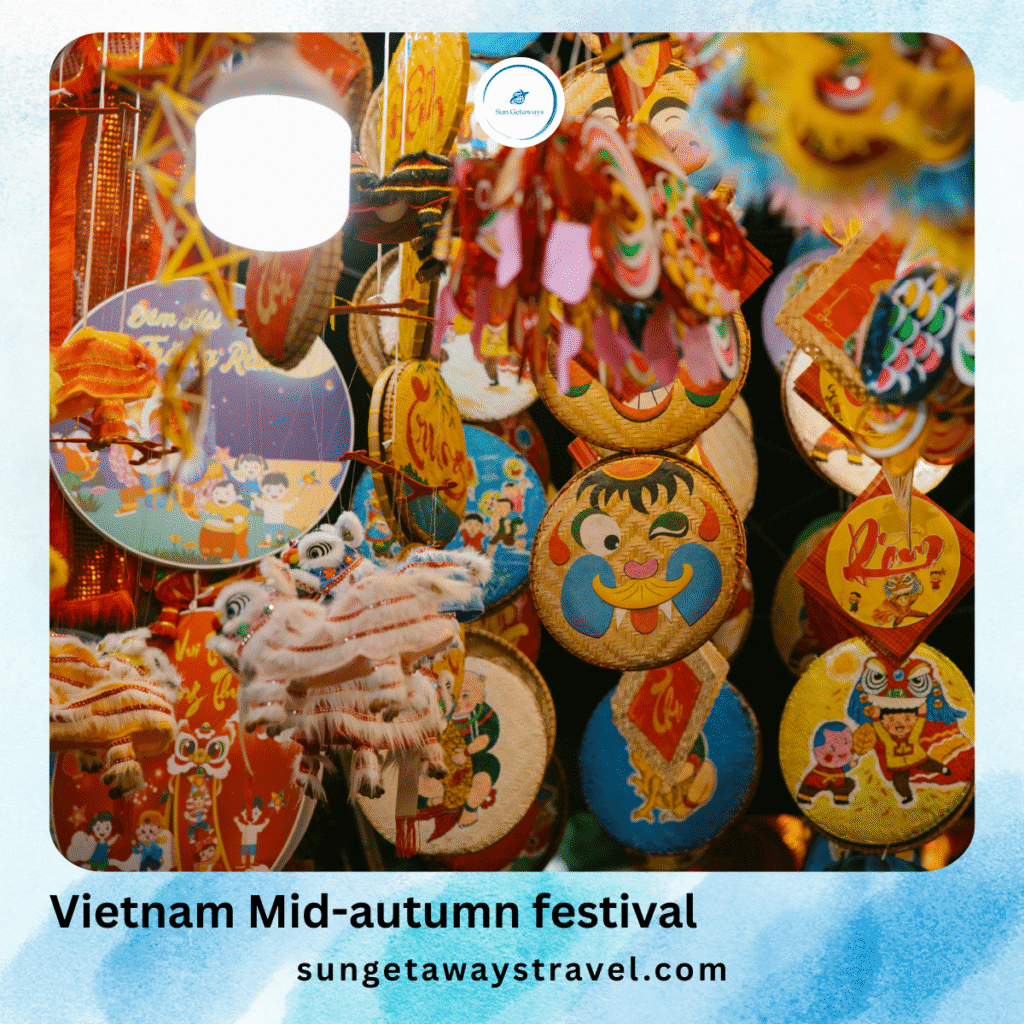
Cities and towns nationwide come alive with lantern parades, lion dances, and festive food stalls. You can find the best places to celebrate Mid-Autumn Festival in Vietnam by checking local listings.
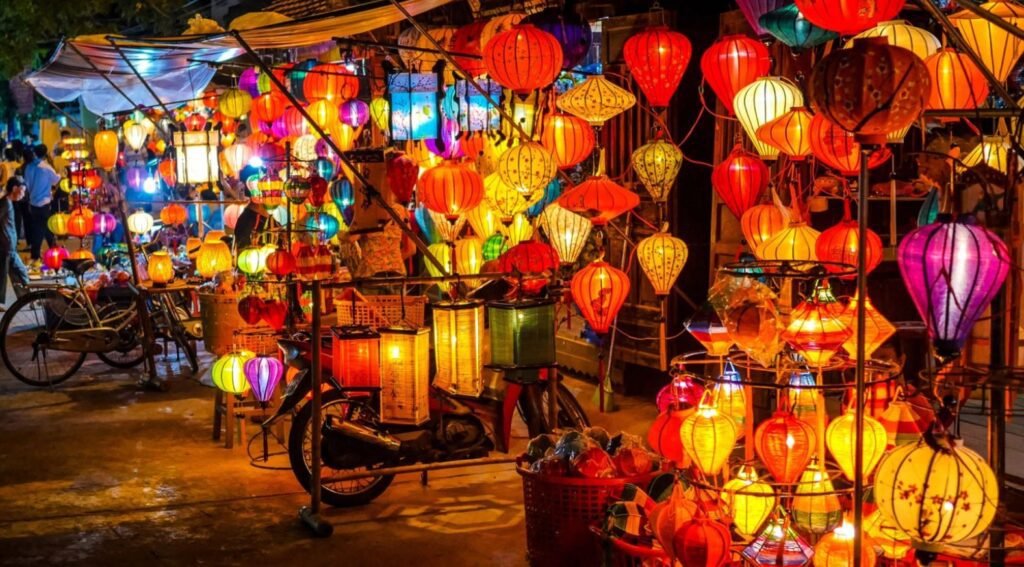
- Hanoi (Old Quarter): This is the undisputed epicenter of the festival. Hàng Mã Street transforms into a dazzling, chaotic tunnel of vibrant lanterns, masks, and toys. It’s the best place to witness the electric atmosphere and photograph the immense decorative displays, and even learn about Vietnamese traditional lantern making. The festival is a prime example of one of the many festivals and holidays in Vietnam.
- Hội An Ancient Town: Known for its romantic, magical setting. On the full moon night, the town turns off its electric lights, relying entirely on lanterns and candlelight. Visitors can float small flower lanterns (Hoa Đăng) down the Hoài River for luck. This is the famous Lantern Festival in Hoi An. The general Hoi An nightlife is beautiful even outside of the festival.
- Ho Chi Minh City (District 5/Chinatown): Head to Lương Nhữ Học Street, known as the “Lantern Street,” which is packed with stalls selling traditional and modern lanterns. Chinatown also features some of the most elaborate and energetic lion dances. For families, there are many Mid-Autumn Festival activities for kids in Vietnam here.
- Tuyên Quang Province: While remote, Tuyên Quang hosts Vietnam’s largest and most impressive Giant Lantern Parade, featuring enormous, handmade lanterns (often truck-sized) crafted by local communities.

Experiencing Tết Trung Thu offers a true glimpse into the Vietnamese focus on family, tradition, and the universal joy of sharing mooncakes in Vietnam under the autumn moon.
🌕 Traveling during the Mid-Autumn Festival? Contact us via WhatsApp for planning your perfect cultural journey—combining local festivities, scenic landscapes, and authentic cuisine.
7. The Future of Mooncakes in Vietnam
As Vietnam becomes a global culinary destination, mooncakes are evolving beyond the festival season. Some bakeries now produce them year-round, while chefs experiment with healthier recipes—less sugar, more natural ingredients, and vegan-friendly options.
What remains unchanged, however, is their emotional value. Each mooncake carries a story—of family, tradition, and the passage of time. Whether traditional or modern, they remind us that good food connects people across generations.
8. Final Thoughts: Taste Tradition, Share Happiness
Mooncakes in Vietnam are more than festive treats—they’re cultural bridges linking the past and present. For travelers, sampling them is an act of tasting history, art, and the Vietnamese spirit of reunion.
Whether you’re wandering through Hanoi’s lantern-lit alleys or savoring a lotus paste mooncake by the Saigon River, the experience is both delicious and deeply meaningful.
So, the next time you see those golden pastries in the shop window, take a bite—and let the moonlight, sweetness, and tradition fill your heart.
9. FAQs about Mooncakes in Vietnam
1. When is the best time to buy mooncakes in Vietnam?
Mooncakes are sold about one month before the Mid-Autumn Festival, usually between early September and early October. For the best selection, buy 1–2 weeks before the full moon day.
2. What are the most traditional mooncake flavors in Vietnam?
The most classic flavors include mixed nuts (thập cẩm), mung bean, lotus seed, and salted egg yolk. These represent traditional Vietnamese mooncakes enjoyed across generations.
3. Where can tourists buy authentic mooncakes in Vietnam?
You can find them at popular bakeries like Kinh Đô, Như Lan, Brodard, Maison Marou, or at local markets in Hanoi, Saigon, and Hoi An.
4. Are there vegetarian or vegan mooncakes available?
Yes. Many bakeries now offer vegan or plant-based mooncakes made with mung bean, lotus seed, or fruit fillings—without lard or egg yolk.
5. Can I bring mooncakes home as gifts?
Absolutely. Mooncakes travel well if kept in their original packaging. They make thoughtful, culturally rich souvenirs for friends and family abroad.
✨ Ready to explore Vietnam’s flavors and festivals firsthand? Contact Sun Getaways Travel for tailored journeys that blend food, culture, and unforgettable memories.


Related Tour

2 Days Trekking Sapa Love Waterfall Homestay


24 Reviews

Discover Vietnam on an 8-Day Relaxing Tour
12 Reviews


11-Day Taste of Vietnam From North to South
31 Reviews

Explore Amazing Vietnam in 15 Days
43 Reviews
Discover the Gems of Vietnam in 14 Days
23 Reviews
Ask a question
Leave a Comment (0)
No questions yet. Be the first to ask a question!
See related Posted
Luxury Golf Resorts in Vietnam – Elite Golf Travelers

Vietnam is increasingly recognized as a premier golf destination in Asia, therefore luxury golf…
Macrame in Vietnam: The Revival of Knot Art in Contemporary Craft Culture

Macrame in Vietnam reflects the country’s growing engagement with contemporary handmade culture, where global…
Vietnamese Musical Instrument Craft: Traditional Instrument Making in Vietnam

Vietnamese musical instrument craft reflects a long-standing relationship between sound, material, and cultural memory.…
Traditional Vietnamese Kite Art: History, Craftsmanship, and Cultural Meaning

Traditional Vietnamese kite art is a living expression of folk creativity, community values, and…
Vietnamese Folk Masks: Tradition, Symbolism & Cultural Meaning

Vietnamese folk masks are a distinctive form of traditional art that reflects the spiritual…
Vietnamese Embroidery Art: Traditional Craftsmanship & Cultural Meaning

Vietnamese embroidery art is a refined traditional craft that reflects patience, cultural memory, and…