







Hoang Su Phi Nature Reserve: How to Visit & What to Expect
 HoangAn
  3 min. to read
 Are you searching for a quiet mountain escape where rice terraces, ethnic villages, and real Hoang Su Phi trekking still feel untouched? Hoang Su Phi Nature Reserve is one of northern Vietnam’s most authentic destinations, yet planning a visit can feel confusing due to its remote location. In this guide, I will share clear, practical information to help you plan your visit, from how to get there to costs, best time to visit, and what you should really expect.
Key Takeaways
- Hoang Su Phi Nature Reserve in northern Vietnam offers untouched nature, ancient rice terraces, and authentic local culture.
- Visitors can enjoy activities like Hoang Su Phi trekking, staying in homestays, and experiencing traditional farming.
- Traveling there requires planning; overnight buses from Hanoi connect to Ha Giang City and then to the reserve.
- Entrance is free, but hiring a local guide for trekking is highly recommended for safety and learning.
- Best times to visit include September to October for harvest or March to May for lush green landscapes.

1. Where is Hoang Su Phi Nature Reserve and how to get there?
Before planning your route, it is important to know where Hoang Su Phi Nature Reserve is located and why access takes time. This section gives you a clear geographic overview and simple transport options.
1.1 Location & Overview of Hoang Su Phi Nature Reserve
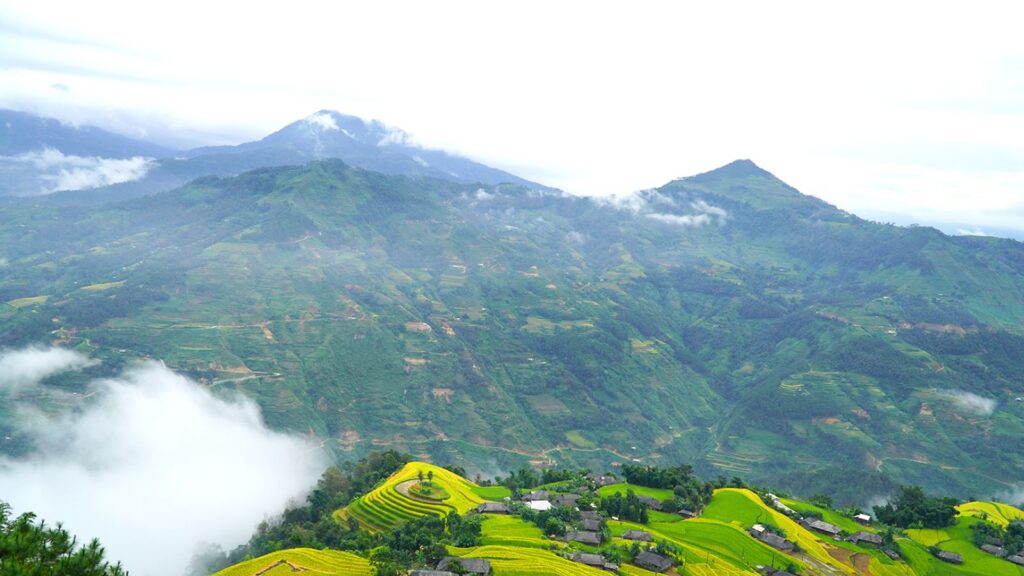
Hoang Su Phi Nature Reserve is located in Ha Giang Province, in the far north of Vietnam, close to the border with China. The reserve is famous for its steep mountains, deep valleys, and ancient rice terraces built by ethnic groups such as the Dao, Nung, and La Chi. Unlike crowded destinations, Hoang Su Phi Nature Reserve remains peaceful and deeply connected to daily rural life.
The area is ideal for travelers who enjoy nature, photography, and slow travel. Many visitors come here specifically for Hoang Su Phi trekking, as the terrain offers challenging but rewarding routes through villages and forests.
1.2 How to get there
Reaching Hoang Su Phi Nature Reserve requires patience, but the journey is part of the adventure. Most foreign visitors start from Hanoi, which is about 300 km away. You can take an overnight bus or limousine van from Hanoi to Ha Giang City.
From Ha Giang, you will continue by car or motorbike for around 3 to 4 hours to reach Hoang Su Phi District. Roads are narrow and winding, so daylight travel is safer. Some travelers include this area as part of a longer Vietnam Tour through northern mountains.
2. Entrance Fees, Opening Hours & Visitor Infos
Many travelers worry about permits, tickets, or unclear rules. The table below summarizes the key visitor information you need before entering Hoang Su Phi Nature Reserve.
| Information | Details |
|---|---|
| Entrance fee | Free (local guide fees not included) |
| Opening hours | Open daily, no fixed gate |
| Best visit duration | 2-3 days |
| Local guide | Recommended for trekking |
| Mobile signal | Limited in remote villages |
| Accommodation | Homestays in villages |
Although there is no official ticket, hiring a local guide is strongly advised for Hoang Su Phi trekking. Guides help with navigation and cultural understanding.
3. What Makes Hoang Su Phi Nature Reserve Special?
Hoang Su Phi Nature Reserve stands out for its natural and cultural value, not luxury or modern attractions. Below are the key reasons travelers fall in love with this area.
- Ancient rice terraces
These terraces are among the oldest in Vietnam and were carved by hand over centuries. They change color with the seasons, creating dramatic landscapes. Many photographers consider them more authentic than better-known terrace regions. - Rich ethnic culture
Local communities still follow traditional farming and daily routines. Visitors can observe real village life, not staged performances. This makes cultural experiences here feel honest and meaningful. - Challenging mountain terrain
The steep hills and forest paths are ideal for experienced trekkers. Hoang Su Phi trekking routes often include river crossings and narrow trails, adding adventure without extreme risk. - Low tourist density
Compared to popular mountain areas, Hoang Su Phi Nature Reserve remains quiet. This allows travelers to enjoy nature without crowds or noise.
4. Top Things to Do in Hoang Su Phi Nature Reserve
There are no theme parks or shopping streets here. Activities focus on nature, walking, and human connection.
- Hoang Su Phi trekking through villages
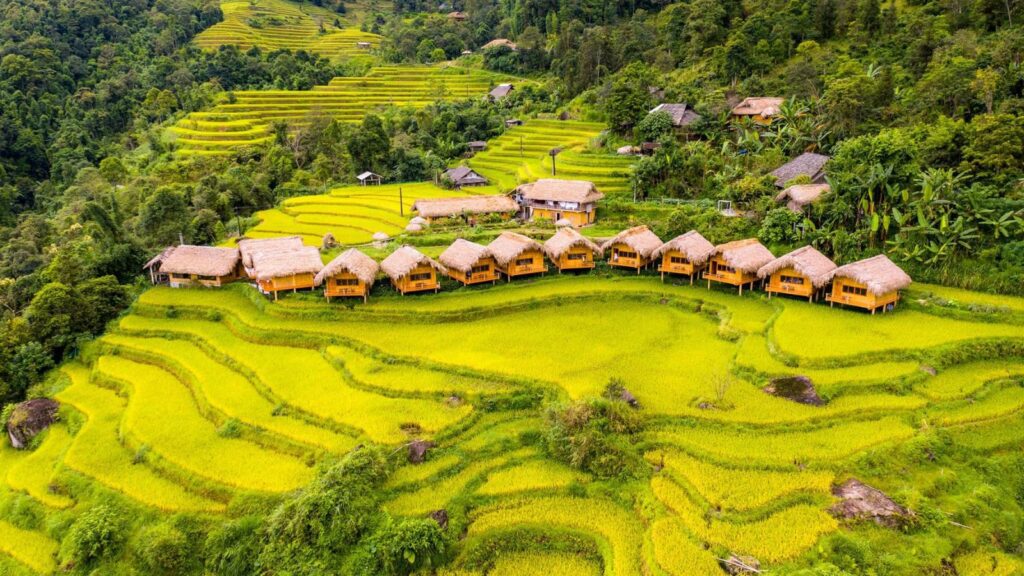
Trekking is the main activity, connecting villages like Nam Hong, Ho Thau, and Ban Phung. Routes vary from half-day to multi-day hikes. Each path reveals terraces, forests, and local homes. - Stay in local homestays
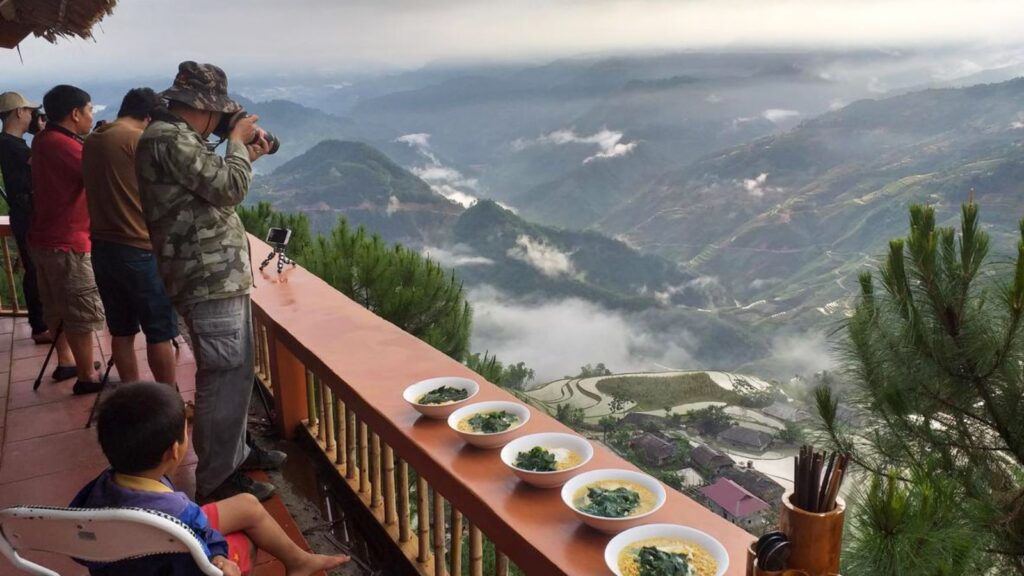
Homestays are simple but warm and welcoming. Hosts often cook traditional meals using local ingredients. Staying overnight helps you understand rural life better. - Photography and sunrise views
Early mornings offer misty valleys and soft light over terraces. Photographers will find endless angles and colors. Autumn is especially popular for this reason. - Learn about traditional farming
Depending on the season, you may see rice planting or harvesting. Locals are often happy to explain their work, even with limited English.
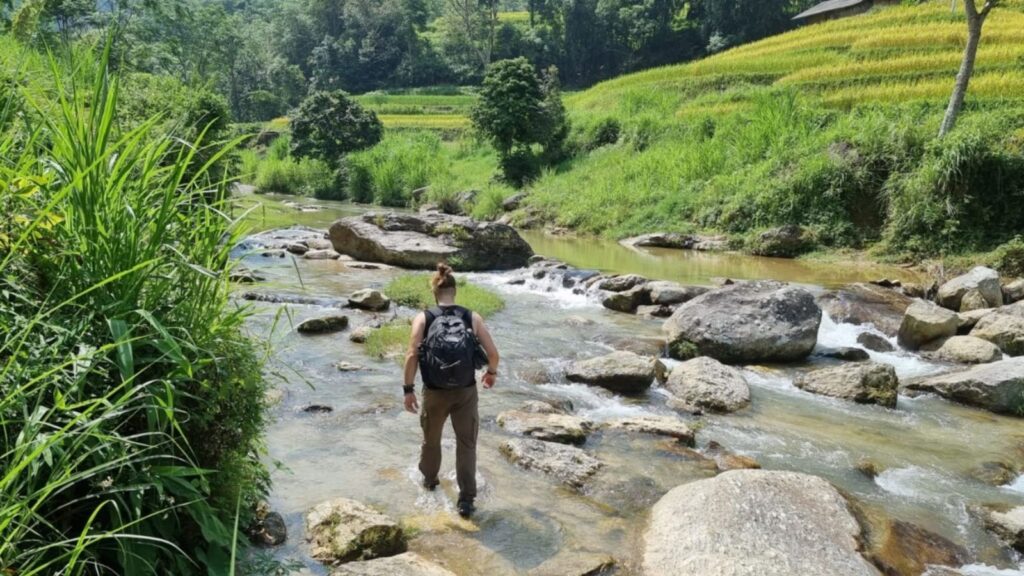
If you want advice on choosing routes or villages for Hoang Su Phi trekking, you can contact Sun Getaways Travel for practical guidance during trip planning.
5. Best Time to Visit Hoang Su Phi Nature Reserve
The best time to visit Hoang Su Phi Nature Reserve depends on what you want to see. Each season offers a different experience.
- September to October is the most popular period, when rice terraces turn golden during harvest season.
- March to May is also beautiful, with green fields and clear skies.
- June to August brings rain, which makes trekking harder but landscapes very lush.
- Winter months can be cold and foggy, but still peaceful for experienced travelers.
6. How Much Does a Visit Cost?
Travelers often worry about hidden costs in remote areas. In reality, Hoang Su Phi Nature Reserve is budget-friendly. Daily expenses mainly include transport, guide fees, and accommodation.
Homestays usually cost modestly per night, including meals. A local guide for Hoang Su Phi trekking is affordable and well worth the price. Overall costs are lower than many famous mountain destinations in Vietnam.
7. Practical Travel Tips for Foreign Visitors
Traveling to a remote mountain area like Hoang Su Phi Nature Reserve requires some preparation. The tips below focus on real issues foreign travelers often face, especially when planning Hoang Su Phi trekking.
- Prepare proper trekking gear
Good trekking shoes are essential because trails can be steep, muddy, and uneven. Lightweight rain gear is also recommended, even in dry months. A small backpack with water and snacks will make long walks more comfortable. - Bring enough cash
There are no ATMs inside Hoang Su Phi Nature Reserve. Most homestays, guides, and local shops only accept cash. It is best to prepare enough Vietnamese dong before leaving Ha Giang City. - Hire a local guide for trekking routes
Hoang Su Phi trekking paths often cross forests, terraces, and small villages without clear signs. A local guide helps you choose safe routes and avoid getting lost. Guides also explain local culture and farming life, which adds real value to the experience. - Respect local culture and daily life
Villages here are not tourist villages. Dress modestly, greet locals politely, and ask before taking photos. Simple respectful behavior helps create positive interactions and supports sustainable tourism. - Expect limited phone signal and internet
Mobile signal is weak or unavailable in many areas of Hoang Su Phi Nature Reserve. Download maps offline and inform family in advance. Many travelers see this as a chance to truly disconnect and enjoy nature.

8. Can You Visit Independently or with a Tour?
Yes, you can visit independently, but a guided option often provides more value. Independent travelers need strong navigation skills and extra planning time.
Traveling with a local guide or organized route helps you access better Hoang Su Phi trekking paths and avoid getting lost. Many travelers include this destination within a broader Vietnam Tour focused on northern mountains to save time and logistics.
Expert Tip:
“Hoang Su Phi is best experienced slowly. I always suggest at least two nights and a local guide so travelers can truly understand the land and people,”
Mrs. Emma Nguyen – Tour Operator Manager with over 12 years of experience at Sun Getaways Travel.
9. How to Include Hoang Su Phi Nature Reserve in Your Vietnam Trip
Hoang Su Phi Nature Reserve is not a place to rush. To enjoy the landscapes, villages, and Hoang Su Phi trekking experience properly, it should be planned as a thoughtful part of your Vietnam itinerary. Below are the most practical ways to include it in your trip.
9.1 Best route for first-time visitors
For most foreign travelers, the most logical route starts from Hanoi. This route balances travel time and experience.
- Hanoi – Ha Giang City – Hoang Su Phi – Hanoi
This itinerary usually takes 4 to 6 days. It allows enough time for trekking, homestay experiences, and recovery after long mountain drives. This route is suitable for travelers who want nature and culture without motorbike riding.
9.2 Combining Hoang Su Phi with the Ha Giang Loop
Hoang Su Phi Nature Reserve works very well as an extension of the Ha Giang Loop. These two destinations offer different but complementary experiences.
- The Ha Giang Loop focuses on dramatic mountain roads, karst landscapes, and viewpoints.
- Hoang Su Phi Nature Reserve offers slower travel, rice terraces, village life, and deeper Hoang Su Phi trekking routes.
Many travelers complete the loop first, then continue to Hoang Su Phi for 2-3 quieter days. This creates a balanced northern Vietnam mountain journey.
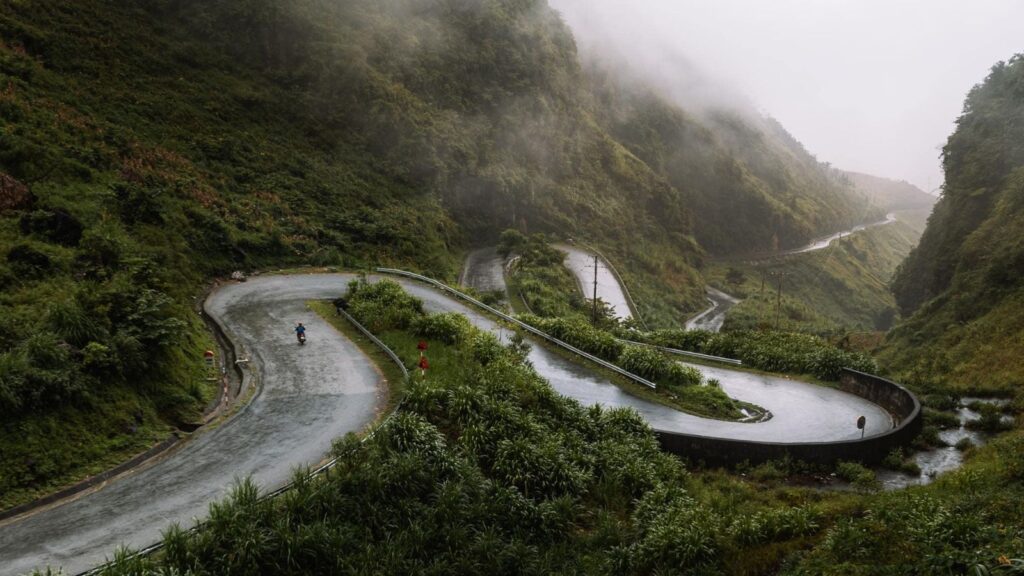
9.3 How many days should you plan?
Time planning is important due to long distances and road conditions.
- Minimum recommended stay: 2 days/1 night
This allows for one main trekking route and a homestay experience. - Ideal stay: 3-4 days/2-3 nights
This gives enough time for a perfect Hoang Su Phi trekking tour, with many routes, village visits, and relaxation.
Staying longer also reduces travel fatigue and makes the experience more enjoyable.
9.4 Including Hoang Su Phi in a wider Vietnam Tour
If you are traveling beyond northern Vietnam, this place can be part of a larger Vietnam Tour focused on nature and culture.
- It pairs well with destinations like Sapa, Ha Giang, or Bac Ha.
- It is ideal for travelers who want authentic mountain experiences instead of crowded tourist towns.
- Private transport and local guides help keep the journey smooth and comfortable.
This option is popular with couples, small groups, and travelers who prefer a well-paced itinerary.
10. FAQs about Hoang Su Phi Nature Reserve
No permit is required. If you stay overnight, homestay hosts usually handle local registration for you.
Yes, but solo travelers should hire a local guide for Hoang Su Phi trekking to ensure safety and navigation.
Accommodation is mainly local homestays, offering basic comfort, shared spaces, and home-cooked meals.
Vegetarian meals are usually available, but special diets should be informed in advance due to limited food options.
Yes, travel insurance is highly recommended because medical facilities are very limited in this region.
11. Conclusion
Hoang Su Phi Nature Reserve is a rare place where nature and culture remain deeply connected. With dramatic landscapes, welcoming communities, and authentic Hoang Su Phi trekking routes, it offers a side of Vietnam that many travelers miss. If you value real experiences over comfort, this destination will reward you.
Ready to explore northern Vietnam beyond the usual paths? Let Sun Getaways Travel help you plan a thoughtful journey to Hoang Su Phi Nature Reserve, with expert support, local insight, and a travel experience designed just for you.


Related Tour


4 Days Guided Tour Of Northern Vietnam


12 Reviews

Eternal Love: Honeymoon Odyssey in Vietnam 11 days
20 Reviews

Ask a question
Leave a Comment (0)
No questions yet. Be the first to ask a question!
See related Posted
Luxury Golf Resorts in Vietnam – Elite Golf Travelers

Vietnam is increasingly recognized as a premier golf destination in Asia, therefore luxury golf…
Macrame in Vietnam: The Revival of Knot Art in Contemporary Craft Culture

Macrame in Vietnam reflects the country’s growing engagement with contemporary handmade culture, where global…
Vietnamese Musical Instrument Craft: Traditional Instrument Making in Vietnam

Vietnamese musical instrument craft reflects a long-standing relationship between sound, material, and cultural memory.…
Traditional Vietnamese Kite Art: History, Craftsmanship, and Cultural Meaning

Traditional Vietnamese kite art is a living expression of folk creativity, community values, and…
Vietnamese Folk Masks: Tradition, Symbolism & Cultural Meaning

Vietnamese folk masks are a distinctive form of traditional art that reflects the spiritual…
Vietnamese Embroidery Art: Traditional Craftsmanship & Cultural Meaning

Vietnamese embroidery art is a refined traditional craft that reflects patience, cultural memory, and…