

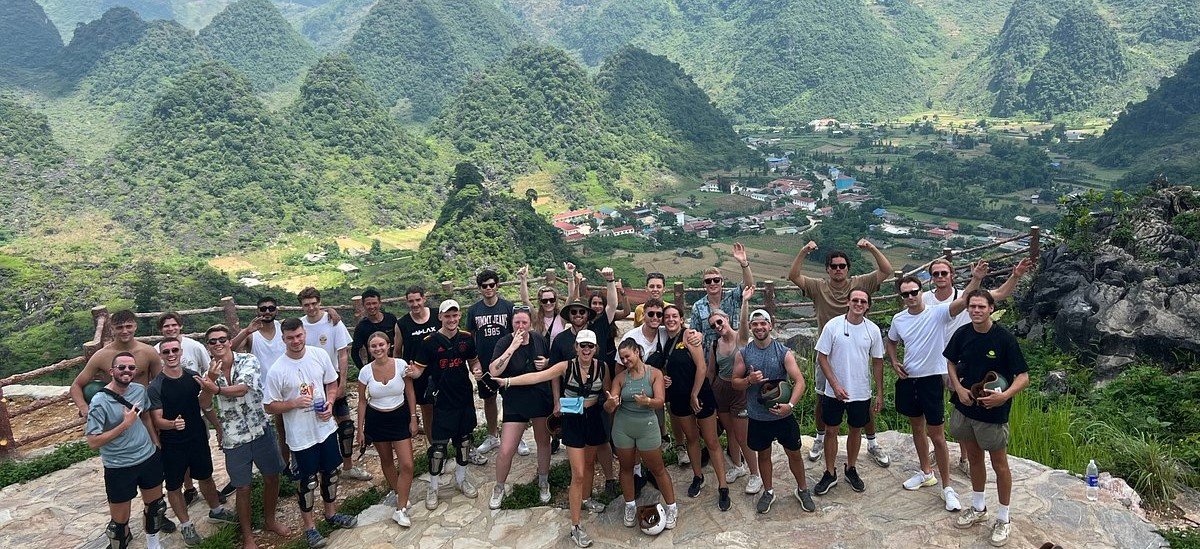







Taking Cable Cars in Vietnam: Everything You Need to Know 2026
 Dan Vy
  3 min. to read
 Travelers exploring mountains, islands, and highland attractions often face a common decision in Vietnam: whether a long road journey is worth it or if there is a faster, more scenic alternative. In recent years, cable cars in Vietnam have become that alternative, offering access to remote viewpoints while turning transportation itself into an experience.
For many visitors, these systems also deliver some of the most memorable scenic cable rides in Vietnam, combining convenience with panoramic landscapes that would otherwise require hours of travel.
Key Takeaways
- Cable cars in Vietnam provide a scenic and time-saving alternative for travelers, allowing easier access to remote viewpoints.
- Top experiences like Ba Na Hills and Fansipan highlight stunning landscapes, while Hon Thom connects islands seamlessly.
- Travelers should consider ticket types and potential additional fees when planning cable car rides for maximum value.
- Regional differences exist in cable car offerings, with Central Vietnam being most beginner-friendly and Southern options focusing on leisure.
- Misconceptions exist about safety and purpose, but comprehensive planning enhances the enjoyment of cable cars in Vietnam.
Why Cable Cars Matter For Travelers In Vietnam Today
When planning trips across Vietnam, travelers quickly realize that distance is not the only challenge—terrain, weather, and time constraints all play a role. Mountain passes in Vietnam, island crossings, and highland attractions can be physically demanding or time-consuming to reach by road.
This is where cable cars in Vietnam have reshaped travel flow, allowing visitors to access iconic sites comfortably while preserving energy for exploration once they arrive.
- 🚠 Reduce long uphill drives and winding roads
- 🕒 Save time on tight itineraries
- 🌄 Offer elevated views not visible from ground routes
- 👨👩👧 Suitable for families, and first-time visitors
1. Ba Na Hills Cable Car – Da Nang (★★★★★)
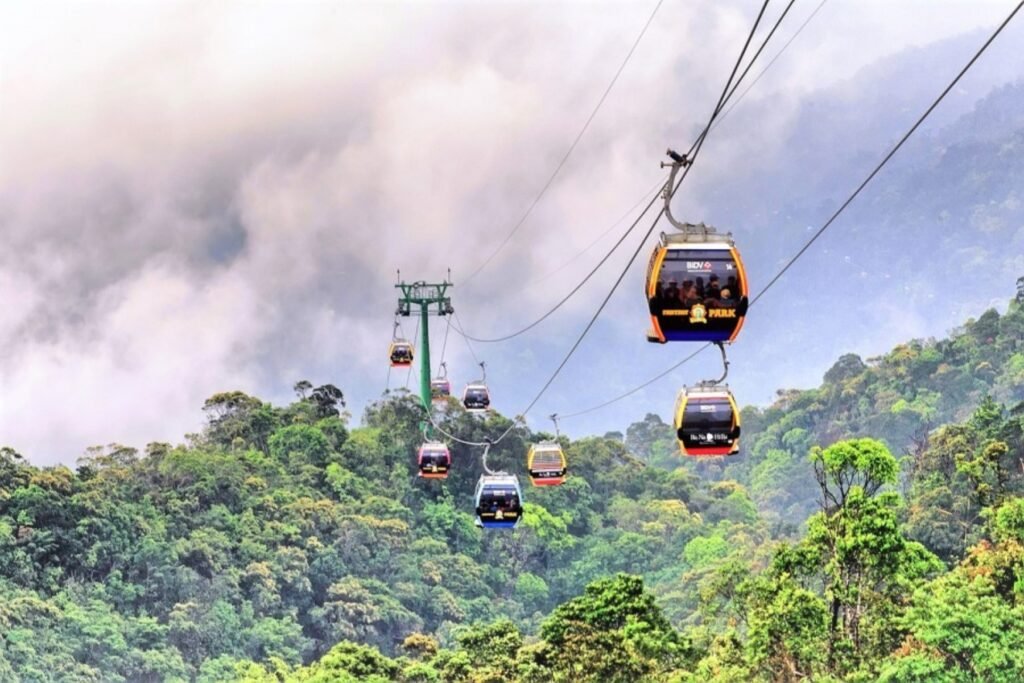
For travelers staying in Da Nang or Hoi An, Ba Na Hills is often the first cable car experience they consider. The journey replaces a steep mountain road with a smooth ascent into cooler air and European-style hilltop attractions.
This ride is frequently cited as one of the most impressive scenic cable rides in Vietnam because of its dramatic elevation change and forest canopy views, often showcasing the surrounding valleys in Vietnam.
- 📍 Location: Ba Na Hills, Da Nang
- ⭐ Rating: 5/5
- 🎢 Ride Length: Over 5 km in some segments

Pro Tip: Visit early in the morning to avoid cloud cover that can obscure views near the summit.
👉 This experience is commonly included in the Ba Na Hills Full Day Tour, making transport and timing much easier for first-time visitors.
2. Fansipan Cable Car – Sapa (★★★★★)
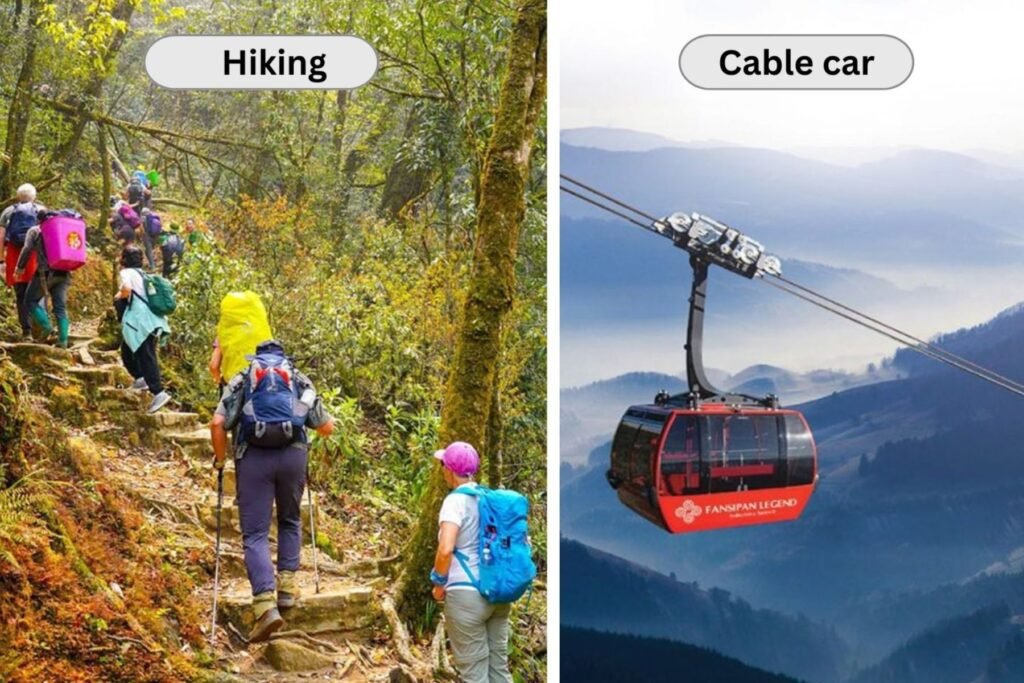
Reaching the “Roof of Indochina” once required a demanding multi-day trek. Today, the Fansipan system allows travelers to ascend from the valley floor to near the summit in minutes.
Among cable cars in Vietnam, this one stands out for altitude, climate contrast, and spiritual landmarks along the way. For those who prefer the traditional way, Sapa trekking remains a popular alternative.
- 📍 Location: Sapa, Lao Cai
- ⭐ Rating: 5/5
- 🏔 Elevation Gain: Over 3,000 meters

Pro Tip: Bring layers—temperatures at the top can be 10–15°C cooler than in Sapa town.
👉 Fansipan is often part of Northern itineraries such as 7 Days Northern Vietnam Tour: Hanoi, Halong, Sapa, which balances scenery with manageable pacing.
3. Hon Thom Cable Car – Phu Quoc (★★★★★)
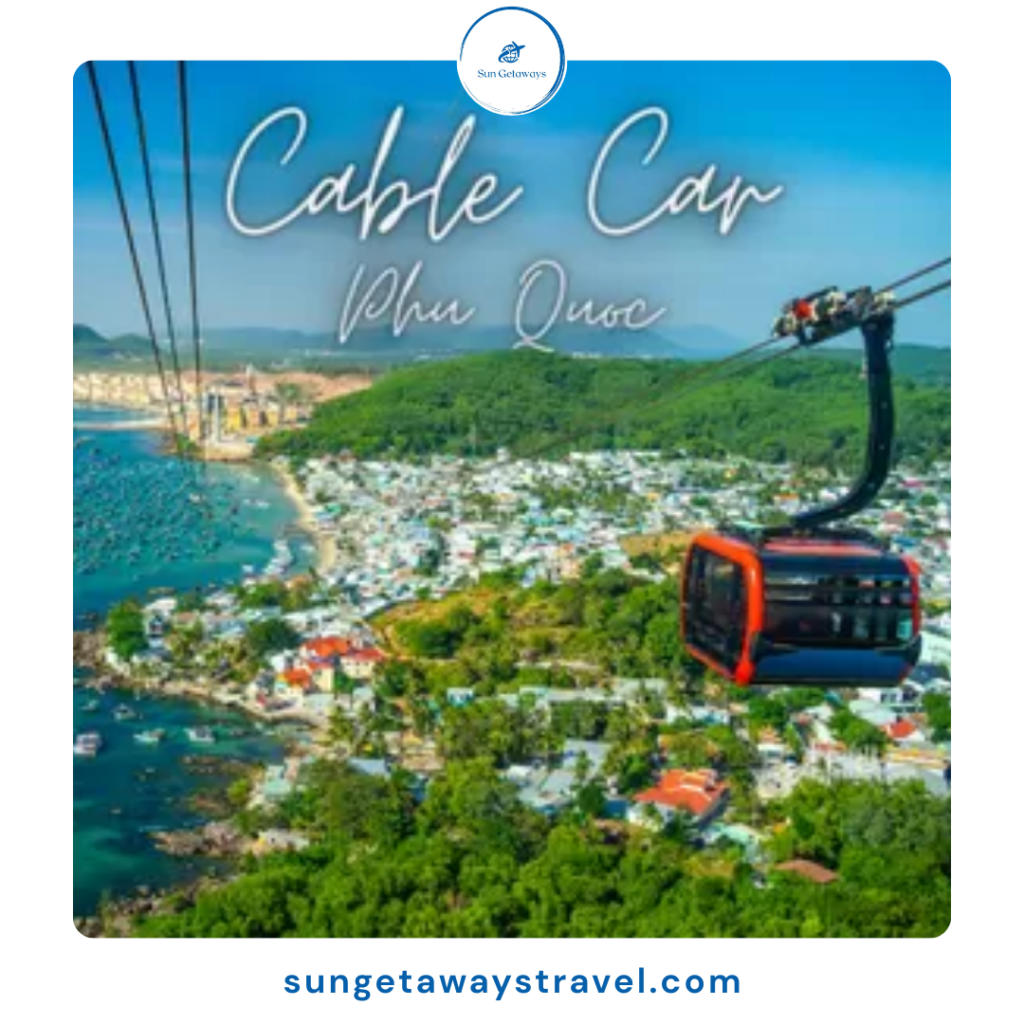
Island travel usually involves boats, schedules, and weather dependencies. The Hon Thom system removes those uncertainties, connecting Phu Quoc’s main island to its southern islets in one uninterrupted glide.
It is regularly mentioned among the most relaxed scenic cable rides in Vietnam, especially for travelers combining Phu Quoc beach time with light adventure.
- 📍 Location: Phu Quoc Island
- ⭐ Rating: 5/5
- 🌊 View Highlights: Coral reefs and fishing villages
Pro Tip: Plan the ride around midday for clearer water visibility.
👉 Southern leisure programs like Vietnam Relaxing Tour With Phu Quoc Island often integrate this ride seamlessly into beach-focused itineraries.
4. Queen Cable Car – Ha Long Bay (★★★★☆)
While Ha Long Bay is famous for cruises, the Queen Cable Car offers a different perspective by lifting visitors above the limestone karsts. For travelers short on time, it provides a quick overview without committing to a full-day cruise, and the station is a great example of modern French architecture in Vietnam.
- 📍 Location: Ha Long City
- ⭐ Rating: 4/5
- 🌅 Best Time: Late afternoon for sunset views

Pro Tip: Pair the ride with a visit to Sun World Ha Long for a relaxed half-day plan.
5. Sam Mountain Cable Car – Chau Doc (★★★★☆)
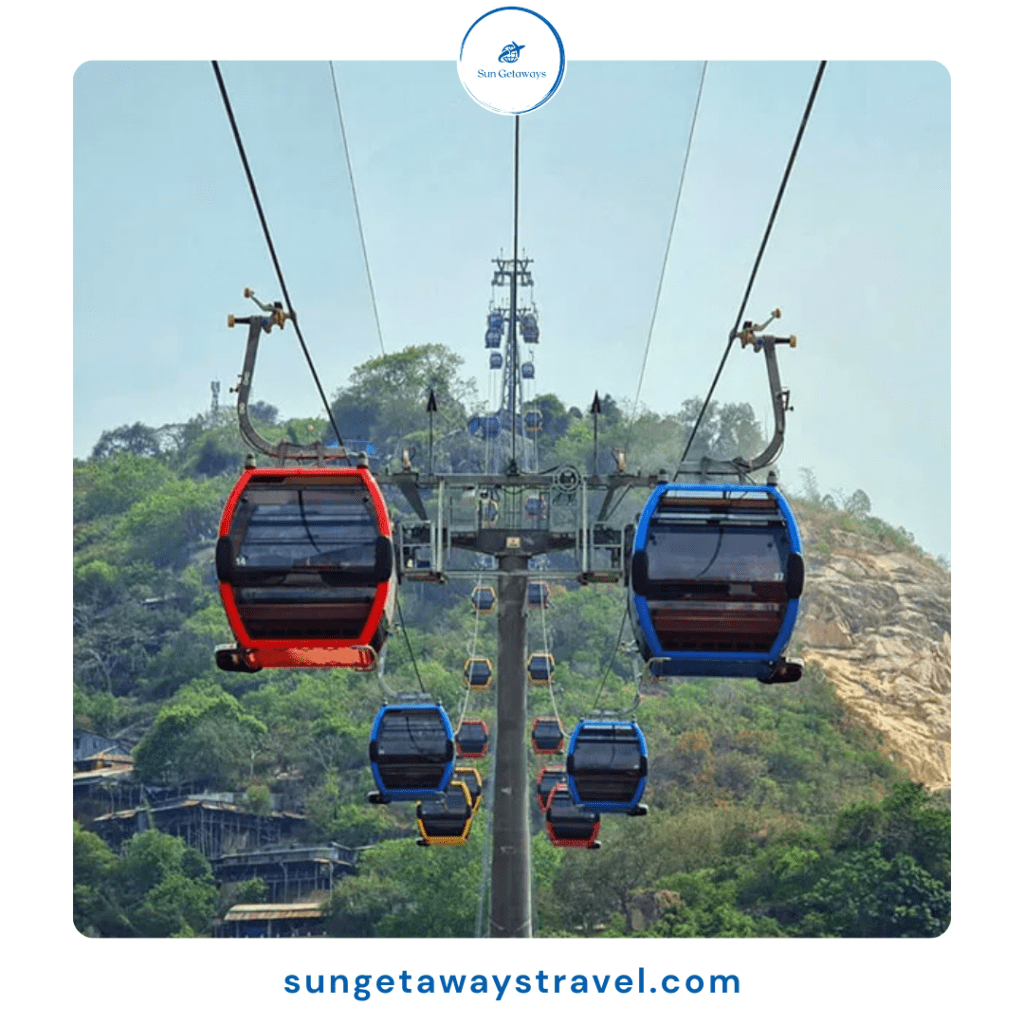
Located in the Mekong Delta region, Sam Mountain’s cable car introduces a lesser-known southern experience. It combines spiritual sites with panoramic river views, offering a slower, culturally grounded alternative to island-focused rides.
This system shows that cable cars in Vietnam are not limited to tourist hubs but are also appearing in regional pilgrimage areas, perfect for those interested in religion in Vietnam.
- 📍 Location: Chau Doc, An Giang
- ⭐ Rating: 4/5
- 🕌 Focus: Spiritual and cultural landscapes
Pro Tip: Visit during weekdays to avoid local pilgrimage crowds.
Comparison Table: Popular Cable Cars Across Vietnam
Choosing which rides to prioritize can be difficult when time is limited. The table below compares major systems to help travelers decide which cable cars in Vietnam best fit their route and travel style.
| Destination | Region | Scenery Type | Best For |
|---|---|---|---|
| Ba Na Hills | Central | Forest & mountains | First-time visitors |
| Fansipan | Northern | Alpine & spiritual | Nature lovers |
| Hon Thom | Southern | Ocean & islands | Beach travelers |
| Ha Long | Northern | Karst landscapes | Short stays |
| Sam Mountain | Southern | Cultural views | Slow travel |
Ticket Types, Pricing, And What Travelers Often Overlook
When planning cable car rides in Vietnam, many travelers assume ticketing is straightforward, but pricing structures vary more than expected. Some systems operate with single-ride tickets, while others bundle cable cars with theme parks, observation decks, or religious complexes.
Understanding these differences helps travelers avoid overpaying. If you are traveling with a group, check our Vietnam family friends tour for bundle deals.
- 🎟 Single-ride vs. combo tickets can differ by 30–50% in price
- 🧾 Some attractions require separate entry fees after the cable car
- 👨👩👧 Family tickets are often better value than individual passes
- ⏰ Late-afternoon tickets may offer discounts in off-peak seasons
Best Regions To Experience Cable Cars In Vietnam
Travelers often plan by region rather than attraction, especially when managing transfers and accommodation. Understanding where cable systems are concentrated helps structure efficient routes and reduce unnecessary backtracking.
This regional overview highlights where scenic cable rides in Vietnam naturally fit into common travel flows. You can find more details in our guide on Vietnam regions.
Central Vietnam
Central Vietnam offers the most accessible and beginner-friendly cable car experiences. Distances are short, infrastructure is strong, and weather patterns are more predictable than in highland regions.

- 🚠 Easy day trips from Da Nang or Hoi An
- 🌿 Balanced mix of nature and built attractions
- 🕒 Predictable travel times
- 🚌 Well-integrated into guided tours
👉 Routes like Danang and Hoi An Discovery in 4 Days often include cable car experiences without adding travel fatigue.
Northern Vietnam
Northern Vietnam focuses on altitude and dramatic terrain. These routes require more planning but reward travelers with unmatched scenery, much like the Ha Giang Loop guide.
- 🏔 Higher elevations and cooler climates
- 🚗 Longer road journeys between stops
- 🌥 Weather-sensitive visibility
- 📸 Iconic viewpoints worth the effort
Southern Vietnam
Southern cable cars are fewer but unique, often combining leisure and cultural elements. They work well for relaxed itineraries and island-focused travel, especially when staying at luxury beach resorts Vietnam.

- 🌊 Ocean and river landscapes
- 🏝 Integrated with beach stays
- 🚤 Replace boat transfers in some areas
Common Misconceptions About Cable Cars In Vietnam
Many travelers hesitate due to assumptions that don’t fully reflect reality.
- ❌ Cable cars are only for theme parks
- ❌ They are unsafe or poorly maintained
- ❌ Views are similar to road travel
✔️ In reality:
- Systems meet international safety standards
- Views are often exclusive to cable routes
- They significantly reduce physical strain
Planning A Vietnam Journey Around Cable Cars
Travelers often underestimate how cable cars affect daily pacing. Without planning, rides can clash with prayer times, meal breaks, or long transfers—especially for Muslim travelers navigating food and worship logistics. Integrating cable cars in Vietnam into a structured plan ensures smoother days and less decision fatigue.
Key challenges when self-planning:
- 🕒 Queue times during peak hours
- 🍽 Limited dining options at high-altitude sites
- 🧭 Complex transport between regions

👉 Curated itineraries such as Discover the Best of Northern and Central Vietnam: 9-Day Tour solve these issues by aligning transport, meals, and sightseeing.
👉 For travelers with specific dietary or scheduling needs, a tailored route allows scenic cable rides in Vietnam to fit naturally into daily travel rhythm.
“Cable cars dramatically change travel pacing in Vietnam, but only when used intentionally. I’ve seen travelers treat them as isolated attractions instead of transport tools. When cable cars are aligned with transfer routes and rest times, they become one of the most efficient ways to experience Vietnam’s landscapes.”
— Emma, Senior Vietnam Tour Consultant & Operations Specialist (12 Years Experience)
Essential Tips For First-Time Cable Car Riders
A little preparation can significantly improve the experience. Refer to our Vietnam packing guide for clothing tips.
- 🎟 Buy tickets early during peak season
- 🧥 Dress for temperature changes
- 📸 Secure cameras and phones
- 🕰 Avoid midday crowds when possible
FAQs About Cable Cars In Vietnam
1. Are cable cars safe in Vietnam?
Yes, major systems follow international safety standards and regular inspections.
2. Do cable cars operate year-round?
Most do, but weather conditions may cause temporary closures.
3. Are cable cars suitable for children?
Yes, cabins are enclosed and stable.
4. Can cable cars replace trekking routes?
They reduce physical effort but don’t replace walking at summit areas.
5. Do cable cars save travel time?
Yes, they significantly shorten access to remote viewpoints.
Conclusion: Seeing Vietnam From A Higher Perspective
Experiencing Vietnam from above changes how travelers understand its landscapes. From misty mountains to turquoise seas, cable cars in Vietnam transform access into an attraction rather than a chore. With the right planning, these rides become highlights rather than logistical hurdles.
For travelers seeking smooth coordination, local support is available via WhatsApp travel assistance, or you can design a journey around your interests through a custom-built Vietnam itinerary that balances comfort, scenery, and time.


Related Tour

12 Days Vietnam Relaxing Tour With Phu Quoc Island


39 Reviews

5 Days Muslim Tour Hanoi, Sapa & Halong Bay
0 Reviews

10-Day Ha Giang Authentic Trekking
10 Reviews

Travel eSIM: 5GB/Day – 15 Days
11 Reviews


Visit Handicraft Villages in Hanoi
0 Reviews
Ask a question
Leave a Comment (0)
No questions yet. Be the first to ask a question!
See related Posted
Luxury Golf Resorts in Vietnam – Elite Golf Travelers

Vietnam is increasingly recognized as a premier golf destination in Asia, therefore luxury golf…
Macrame in Vietnam: The Revival of Knot Art in Contemporary Craft Culture

Macrame in Vietnam reflects the country’s growing engagement with contemporary handmade culture, where global…
Vietnamese Musical Instrument Craft: Traditional Instrument Making in Vietnam

Vietnamese musical instrument craft reflects a long-standing relationship between sound, material, and cultural memory.…
Traditional Vietnamese Kite Art: History, Craftsmanship, and Cultural Meaning

Traditional Vietnamese kite art is a living expression of folk creativity, community values, and…
Vietnamese Folk Masks: Tradition, Symbolism & Cultural Meaning

Vietnamese folk masks are a distinctive form of traditional art that reflects the spiritual…
Vietnamese Embroidery Art: Traditional Craftsmanship & Cultural Meaning

Vietnamese embroidery art is a refined traditional craft that reflects patience, cultural memory, and…